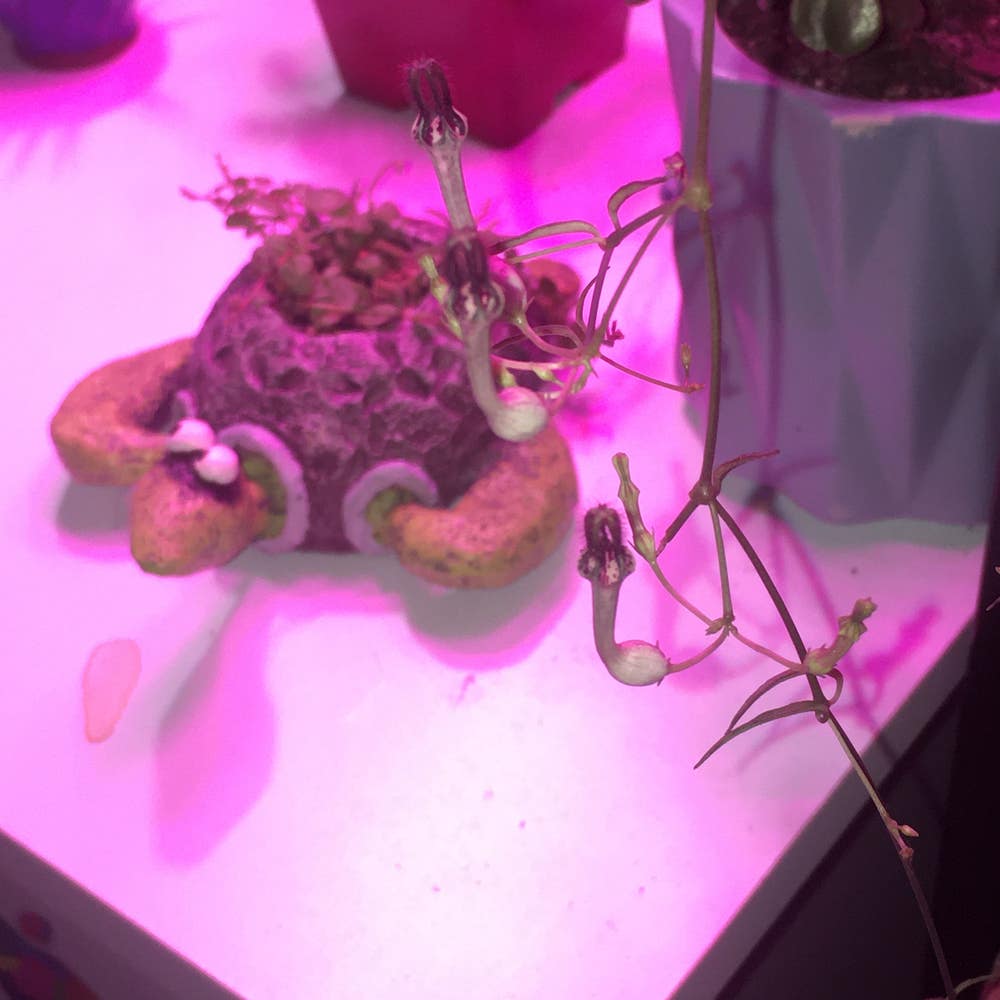
Does My String of Needles Need Direct Sunlight?
Ceropegia linearis
By the Greg Editorial Team
Dec 19, 2023•4 min read
This article was created with the help of AI so we can cover more plants for you. May contain errors. See one? Report it here.
Nurture your String of Needles to perfection by decoding its sunlight needs 🌞🌿—no more guesswork!
- Indirect sunlight preferred for String of Needles to prevent damage.
- Window direction matters - adjust plant placement based on hemisphere.
- Seasonal care adjustments necessary for optimal String of Needles health.
Sunlight Needs of String of Needles
🌞 Defining Direct vs. Indirect Sunlight
Direct sunlight is the unobstructed serving of solar rays – think of it as the sun's rays in their most intense form, like a spotlight on a stage. Indirect sunlight, however, is the more mellow cousin, delivering a softer touch, akin to the ambient lighting at a cozy dinner party.
🌿 String of Needles and Sunlight Tolerance
The String of Needles plant craves sunlight like a cat craves a warm windowsill, but it's not a sun worshipper per se. Direct sunlight? Not this plant's jam. It prefers to bask in the glow of indirect light, much like its natural habitat under the cover of taller trees and shrubs. Too much direct sun and it might just throw a fit, shedding leaves like a dog sheds fur in summer.
Indirect sunlight is the sweet spot, where this plant can photosynthesize without the risk of turning into a crispy critter. If you're unsure, think of the String of Needles as that friend who always wears sunscreen – it needs protection from the harsh rays. Keep it close to a window, but out of the direct firing line of the sun's lasers, and you'll have a happy plant on your hands.
Impact of Window Direction on Sunlight Exposure
🌞 Understanding Window Orientation
Windows are like the eyes of your home, and the direction they face can dramatically affect the light your String of Needles receives. South-facing windows are the sunbathing hotspots, dishing out generous doses of direct sunlight all day. If your plant's perched here, it's living the high life in the sun's VIP lounge. East-facing windows offer a gentler morning glow, a soft touch of sunshine without the harsh midday rays. West-facing windows come with an afternoon blaze, a fiery encore of sunlight that can be a bit much for your green buddy. And then there's the north-facing windows, the cool kids of the bunch, providing a steady stream of low, diffused light.
🌍 Hemisphere Considerations
Your spot on the globe—Northern or Southern Hemisphere—flips the script on window advice. In the Northern Hemisphere, south-facing windows are your go-to for max sunlight, while in the Southern Hemisphere, it's north-facing windows that win the prize. This isn't just trivia; it's crucial for keeping your String of Needles from turning into a string of sorrows. Remember, these plants are not just living decor; they're sun-chasers at heart, and they rely on you to get their fix.
Protecting String of Needles from Excessive Direct Sunlight
🌞 Signs of Too Much Sun
The String of Needles doesn't take kindly to overexposure. Sunburn manifests as brown or yellow leaves, a sad departure from its usual vibrant green. Leaves might also appear crispy, as if they've been auditioning for a role in your breakfast cereal. If your plant's looking more fried than a beachgoer without sunscreen, it's time to reassess its sunbathing habits.
🏡 Sunlight Management Strategies
Repositioning is your first line of defense. Move your String of Needles away from the sun's relentless gaze, preferably to a spot that enjoys bright, indirect light. Think of it as relocating someone from the equator to a more temperate climate—still sunny, but without the risk of melting.
Sheer curtains are the unsung heroes in the battle against scorching rays. They soften the sun's harshness, ensuring your plant gets the light it craves without the side effect of turning into a leafy crisp. If you're crafty, a DIY shade cloth can also do the trick, especially during those peak solar hours when the sun seems to have a personal vendetta against all things green.
Remember, like a good detective, monitor the scene. Keep an eye out for early distress signals and be ready to shuffle your plant out of harm's way. It's not just about survival; it's about providing a sanctuary where your String of Needles can thrive without the threat of a solar smackdown.
Adapting Care Throughout the Seasons
🌞 Seasonal Sunlight Variations
As the earth tilts on its axis, the String of Needles plant experiences shifts in sunlight exposure. Winter's weak rays may necessitate moving your plant closer to the light source, while the summer sun's intensity could mean pulling it back to avoid scorching. It's crucial to adjust your care routine to align with these seasonal changes, ensuring your plant receives the optimal amount of light year-round.
Monitoring and Adapting to Plant Signals
Observe your String of Needles like a hawk. If it starts to look sun-starved or too toasty, it's time to tweak its position. Yellowing leaves can indicate too much sun, while spindly growth suggests a need for more. The plant's response is your guide—make small, gradual adjustments to find its happy place. Remember, the goal is to mimic the plant's natural habitat, where light conditions change gradually, not overnight.
⚠️ Safety First
This content is for general information and may contain errors, omissions, or outdated details. It is not medical, veterinary advice, or an endorsement of therapeutic claims.
Always consult a qualified healthcare professional before using any plant as food, medicine, or supplement.
Never eat any plant (or feed one to pets) without confirming its identity with at least two trusted sources.
If you suspect poisoning, call Poison Control (800) 222-1222, the Pet Poison Helpline (800) 213-6680, or your local emergency service immediately.
Spotted an error? Please report it here.
Ensure your String of Needles is perfectly poised 🌿 with Greg's tailored care reminders that prevent sun damage and keep your plant thriving.