How Should String of Needles Be Cut Back?
Ceropegia linearis
By the Greg Editorial Team
Jun 18, 2024•3 min read
This article was created with the help of AI so we can cover more plants for you. May contain errors. See one? Report it here.
Transform your String of Needles into a verdant masterpiece 🎨 with savvy pruning techniques.
- Prune when overgrown: Spring and summer are ideal for cutting back.
- Use sharp, sterilized tools: Make clean cuts at a 45-degree angle.
- Post-prune care is crucial: Adjust water and light, monitor new growth.
Identifying the Right Time to Prune String of Needles
🌱 Signs Your Plant Needs Pruning
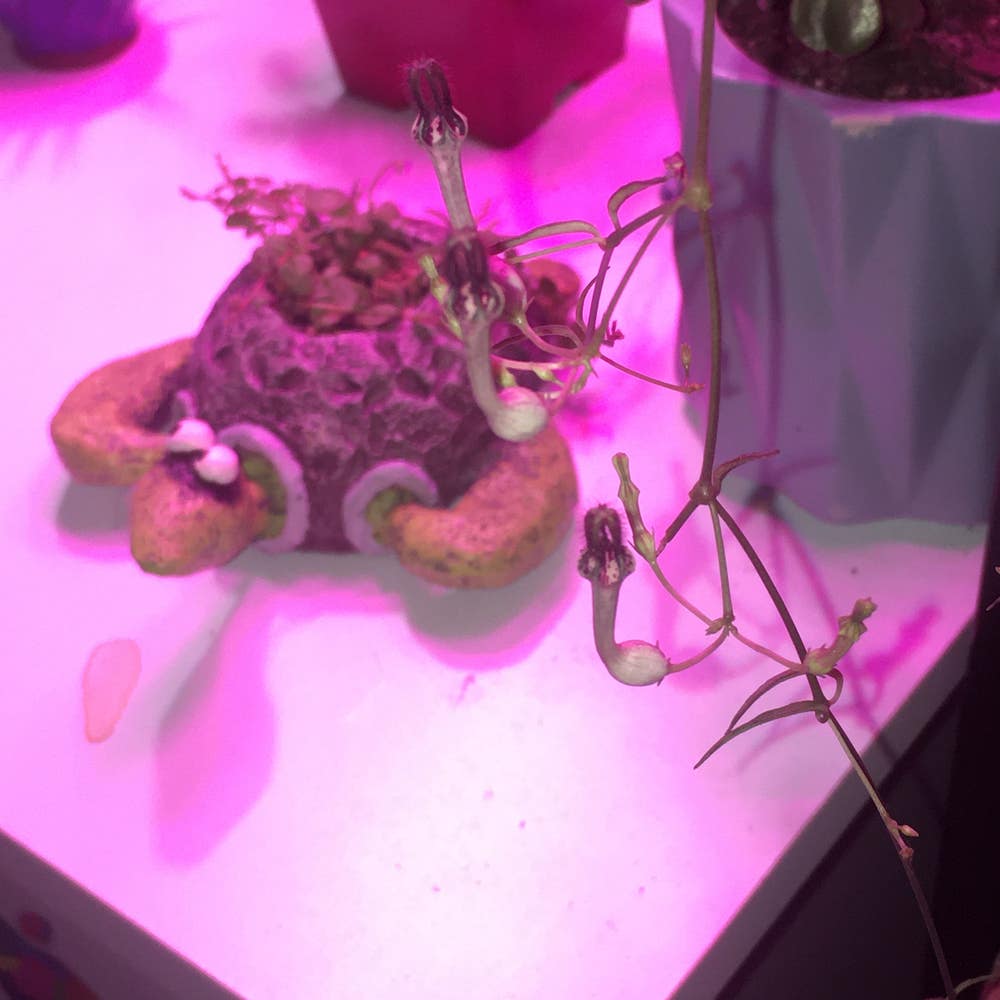
Recognizing overgrown or leggy growth is your cue; it's the plant's silent plea for a trim. When your String of Needles starts resembling a spindly octopus rather than a lush cascade, it's time to reach for the shears.
🌼 Optimal Pruning Seasons
The best times to prune are during the growing seasons, spring and summer. This is when your plant is in its prime, churning out new growth and ready to heal quickly from any snips and cuts. Pruning outside this window can leave your plant sulking and slow to recover.

Preparing to Prune
🔪 Selecting the Right Tools
Pruning your String of Needles starts with sharp tools. Dull blades can crush stems, inviting disease. Opt for high-quality gardening scissors or shears, and keep them in top condition. Sterilize your tools with isopropyl alcohol or a bleach solution to prevent spreading pathogens.
🌿 Pre-Pruning Considerations
Before you make the first snip, take a hard look at your plant. Health is key; a stressed plant won't fare well with aggressive pruning. Plan your approach, aiming for a shape that promotes growth without going overboard. Remember, you're a gardener, not Edward Scissorhands.

Pruning Techniques for String of Needles
✂️ Making the Right Cuts
Sharpness is non-negotiable. Always prune with clean, sharp scissors or shears to avoid damaging your String of Needles. Aim for precision: make cuts just above a leaf node at a 45-degree angle to prevent water accumulation and potential disease. This also encourages new growth from the node.
🌳 Shaping the Plant
To achieve a bushy appearance, strategic pruning is key. Trim stems that are out of place or longer than others. This not only shapes the plant but also promotes denser foliage. Remember, it's about guiding growth, not stifling it, so be judicious with your snips.
🌱 Handling Leggy or Unhealthy Stems
Legginess is a cry for help. Remove these weak stems to redirect the plant's energy to healthier growth. Cutting back leggy stems just above a leaf node can stimulate a more robust and vibrant plant. Be mindful not to overdo it; removing more than a third of the plant can cause shock.

Immediate Aftercare Following Pruning
🌱 Adjusting Watering and Light
Pruning can leave your String of Needles feeling like it just ran a marathon. Immediately after, it's crucial to strike a balance with watering. Hydrate the plant to help it recover, but don't drown it in your affection—too much water can lead to root rot. Stick to the usual watering schedule, but let the top inch of soil dry out before going in for another pour.
When it comes to light, think of it as the plant's personal trainer. Bright, indirect light will encourage new growth without overwhelming your freshly pruned plant. If your green buddy is looking a bit pale, it might be begging for more light.
🌱 Monitoring for New Growth
After you've played the role of plant barber, keep a keen eye out for new sprouts. New growth is the plant's way of giving you a thumbs up. If you notice stunted growth or yellowing leaves, it's time to reassess your care routine. It might be craving more light or less water—listen to what your plant is telling you.
Remember, your String of Needles doesn't need a pep talk; it needs consistent care. Adjust your watering and lighting as needed, and soon enough, you'll see your plant bouncing back with the enthusiasm of a kid in a candy store.
⚠️ Safety First
This content is for general information and may contain errors, omissions, or outdated details. It is not medical, veterinary advice, or an endorsement of therapeutic claims.
Always consult a qualified healthcare professional before using any plant as food, medicine, or supplement.
Never eat any plant (or feed one to pets) without confirming its identity with at least two trusted sources.
If you suspect poisoning, call Poison Control (800) 222-1222, the Pet Poison Helpline (800) 213-6680, or your local emergency service immediately.
Spotted an error? Please report it here.
Prune your String of Needles with confidence ✂️, and let Greg track its recovery and tailor your care reminders for lush, healthy growth.