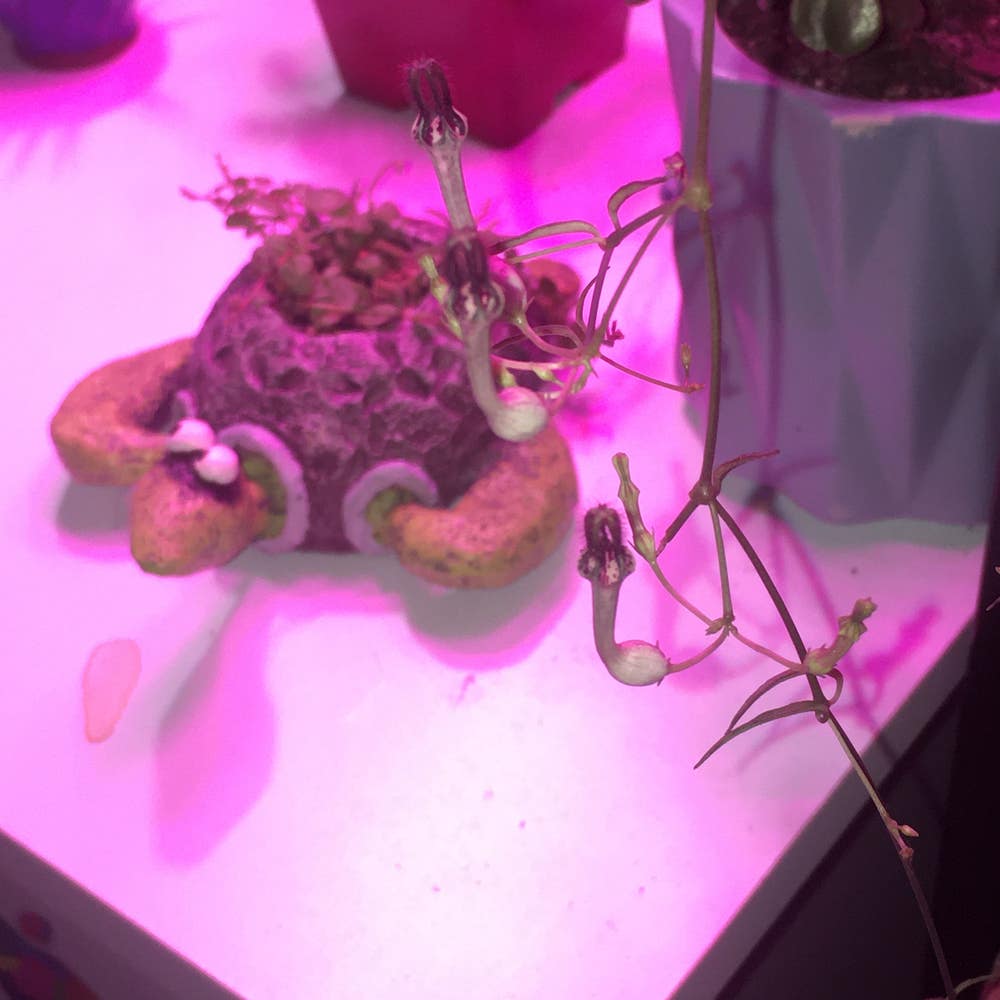
Propagating Your String of Needles: Step-by-Step Guide
Ceropegia linearis
By the Greg Editorial Team
Jun 18, 2024•5 min read
This article was created with the help of AI so we can cover more plants for you. May contain errors. See one? Report it here.
Propagate your String of Needles 🌿 effortlessly and watch your indoor jungle thrive with this expert guide!
- Stem cuttings and division are key methods for propagating String of Needles.
- Bright, indirect light and 65-75°F optimal for propagation success.
- Monitor moisture closely to prevent root rot and wilting.
Propagation Methods for String of Needles
🌱 Stem Cuttings
Selecting and Preparing Cuttings
To kickstart propagation, choose a stem that's healthy and about 4-6 inches long. Make sure it has several leaf nodes, as these are the starting blocks for new roots. Use disinfected shears to snip just above a node. Strip off the lower leaves to prevent rot and maintain a couple of leaves at the top for photosynthesis.
Rooting the Cuttings
Rooting medium is your cutting's new best friend. Go for a sterile mix—peat, perlite, vermiculite, or a blend. It should be damp, not drenched. Dip the cut end into rooting hormone if you're feeling fancy; it's like a pep talk for roots. Plant the cutting shallowly, just enough to stand upright. Keep the humidity high with a plastic cover, but let the air circulate to avoid a fungal rave.
➗ Division
Timing and Technique
Division time is like a plant's family reunion—it's all about sharing. Wait until your String of Needles is mature enough, then gently tease apart the root ball during repotting. Ensure each new plant has a fair share of roots and leaves. It's like plant socialism.
Transplanting Divisions
Once you've divided, it's time to pot up. Choose a container that's snug but not tight—think of it as your plant's new studio apartment. Use a similar potting mix to the parent plant's to avoid a culture shock. Water it well and keep it in a bright spot, but not in direct sunlight, like a vampire avoiding a tan.

Creating the Ideal Propagation Environment
🌱 Soil and Potting Mix
To set the stage for successful propagation, the right soil mix is non-negotiable. Organic matter like coco coir, paired with perlite or vermiculite, creates a well-draining haven for your String of Needles. This blend ensures the roots have the aeration they crave and the dry feet they demand.
Choosing the right container is as crucial as the mix itself. Small pots promote a cozy environment that encourages rooting. Ensure they have drainage holes because, let's face it, no plant likes wet socks.
☀️ Light, Temperature, and Humidity
Bright, indirect light is the String of Needles' best friend, but direct sunlight is the frenemy. Keep your cuttings less than 3 feet from a window to bask in the glow without the burn.
Temperature-wise, aim for a comfortable 65 - 75°F (18 - 24°C). It's the sweet spot where your plant cuttings can chill without actually chilling. As for humidity, think of it as a casual acquaintance rather than a clingy friend—too much can lead to a soggy disaster.
Maintaining these conditions is like throwing a housewarming party for your new plants. Get it right, and they'll put down roots in no time.

Watering Practices During Propagation
💧 How to Water Stem Cuttings and Divisions
Watering your String of Needles stem cuttings and divisions is less about sticking to a rigid schedule and more about observing and responding to their needs. Fully hydrate the parent plant a day before taking cuttings to ensure they start off with ample moisture. Once cut, stick them in your chosen medium and give them a thorough watering to settle them in.
For divisions, the key is to maintain consistent moisture in the soil without turning it into a mucky mess. Think of the soil as a well-wrung-out sponge—it should feel moist, not dripping.
⚖️ Balancing Moisture Levels
The balancing act comes into play when you're trying to avoid the dreaded root rot while still providing enough moisture for growth. Encasing the pot in a plastic bag can create a mini greenhouse effect, keeping humidity high. Just remember to leave it open enough for some air flow.
Change the water regularly if you're rooting in water to keep things fresh and prevent bacterial growth. When the roots hit about an inch, it's time to transition to soil, where you'll continue your vigilance with moisture levels.
Remember, your cuttings and divisions are like Goldilocks—they want their moisture levels just right. Too dry and they'll start to wilt; too wet and you're inviting rot to the party. Keep an eye on them, and adjust your watering based on what they're telling you.

Troubleshooting Propagation Challenges
🍄 Root Rot
Identifying Root Rot
Root rot in your String of Needles can turn your propagation dreams into a soggy nightmare. Mushy roots and a stem that feels like overcooked pasta are dead giveaways. Leaves may also show a lackluster grayish-green hue. If you spot these symptoms, it's time for some plant triage.
Addressing Root Rot
To combat root rot, trim the affected areas with a sanitized blade. Let the soil dry out before giving it another drink. Consider repotting in fresh, well-draining soil to give your plant a new lease on life. Remember, moderation is key—overwatering is often the culprit.
🥀 Wilting and Drooping
Causes of Wilting
Wilting cuttings are sending an SOS signal. It could be dehydration or a sign that the root system is compromised. Check the soil moisture—if it's Sahara-dry, it's time to water. But if it's more like a swamp, you've overdone it.
Remedies for Wilting
To perk up your droopy plant, ensure it's not just being dramatic. Provide consistent moisture and a stable environment. If wilting persists, repot to refresh its spirits. Keep the light indirect, the humidity just right, and protect your plant from drafts. It's not just about survival—it's about thriving.
⚠️ Safety First
This content is for general information and may contain errors, omissions, or outdated details. It is not medical, veterinary advice, or an endorsement of therapeutic claims.
Always consult a qualified healthcare professional before using any plant as food, medicine, or supplement.
Never eat any plant (or feed one to pets) without confirming its identity with at least two trusted sources.
If you suspect poisoning, call Poison Control (800) 222-1222, the Pet Poison Helpline (800) 213-6680, or your local emergency service immediately.
Spotted an error? Please report it here.
Ensure your String of Needles thrives in every propagation step with Greg's 🌱 tailored reminders, creating the perfect growth environment without the guesswork.