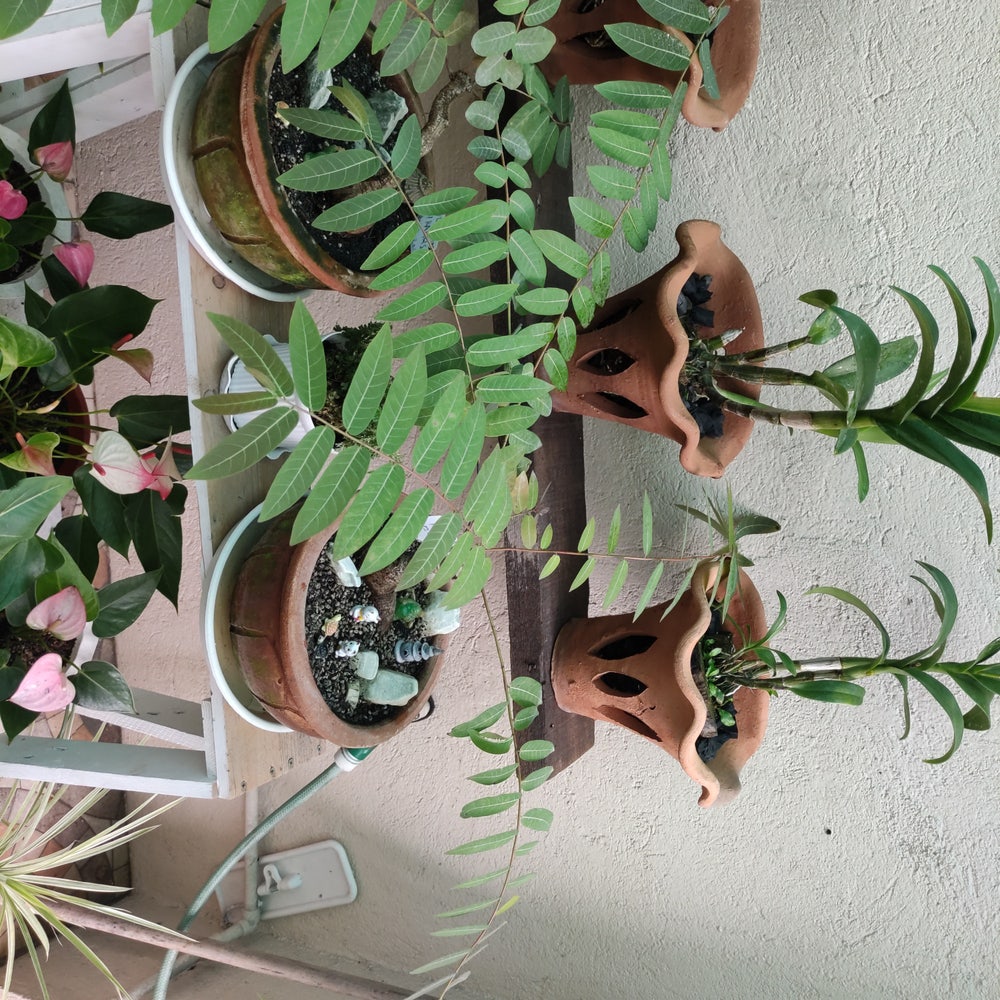
Star Gooseberry is Not an Invasive Plant 🍓
Phyllanthus acidus
By the Greg Editorial Team
Nov 26, 2024•5 min read
This article was created with the help of AI so we can cover more plants for you. May contain errors. See one? Report it here.
Transform your garden with Star Gooseberry 🌱—a beautiful, non-invasive plant that supports local ecosystems!
- 🌱 Star Gooseberry is safe for gardens, as it’s not an invasive species.
- 🐦 Supports local wildlife by providing food for birds and attracting pollinators.
- 🌞 Thrives in full sun with proper spacing and regular pruning for optimal growth.
Plant Classification
Definition of Invasive Species 🌱
Invasive species are plants that exhibit aggressive growth, rapidly spreading and negatively impacting local ecosystems. They often outcompete native flora, disrupt habitats, and can lead to a decline in biodiversity.
Star Gooseberry, however, does not fit this invasive mold. Its bushy appearance and limited spread potential stem from a shallow root system and sensitivity to waterlogging. This means it won’t take over your garden or local environment, making it a safe choice for planting.
Understanding these characteristics helps gardeners make informed decisions about their plant selections. By choosing non-invasive species like Star Gooseberry, we can support biodiversity while enjoying the beauty of our gardens.
As we explore the growth habits of Star Gooseberry, we’ll see how its unique traits contribute to a balanced ecosystem.
Growth Habits
Typical Growth Patterns in Gardens 🌱
Star Gooseberry showcases a bushy structure with dense foliage, making it an attractive addition to any garden. Its ability to produce edible fruits adds both beauty and utility, appealing to gardeners and wildlife alike.
For optimal growth, Star Gooseberry thrives in well-draining soil, requiring moderate watering and full sun exposure. These conditions foster a vibrant plant that can enhance your garden's aesthetic while providing delicious fruits.
Natural Limits to Growth and Spread Potential 🚧
Despite its lush appearance, Star Gooseberry has natural limits that prevent it from becoming invasive. Its shallow root system and susceptibility to waterlogging restrict its growth and spread, ensuring it remains manageable in garden settings.
To maintain its size and shape, regular pruning is recommended. This easy technique not only enhances the plant's appearance but also promotes healthy growth, allowing you to enjoy its beauty without overwhelming your garden space.
Incorporating Star Gooseberry into your garden can be a rewarding experience, blending aesthetics with practicality. As we explore its ecological role next, you'll discover how this plant contributes positively to local ecosystems.
Ecological Role
Benefits to Local Ecosystems 🌼
Star Gooseberry plays a vital role in enhancing biodiversity. Its vibrant flowers attract a variety of pollinators, including bees and butterflies, which are essential for the health of many garden plants.
Additionally, the plant provides food sources for local wildlife. The edible fruits are a favorite among birds, offering them nourishment and encouraging their presence in your garden.
Positive Interactions with Wildlife and Other Plants 🐦
The interactions between Star Gooseberry and wildlife are truly beneficial. Birds flock to its fruits, while pollinators are drawn to its blossoms, creating a lively ecosystem.
Companion planting with native species can further enhance these interactions. By strategically placing Star Gooseberry alongside other plants, you can create a thriving environment that supports both wildlife and plant health.
Incorporating Star Gooseberry into your garden not only beautifies the space but also fosters a rich ecological network. This thoughtful approach to gardening promotes sustainability and encourages a harmonious relationship between plants and wildlife.
Garden Management
🌱 Incorporating Star Gooseberry into Garden Designs
When planning your garden, consider the spacing of Star Gooseberry plants. They thrive best when given enough room to grow, ideally about 3 to 5 feet apart, allowing for their bushy structure to flourish without overcrowding.
Sunlight requirements are crucial for optimal growth. Star Gooseberry loves full sun, so choose a spot that receives at least 6 hours of direct sunlight daily. This will enhance their dense foliage and fruit production.
Compatibility with other plants is another important factor. Pairing Star Gooseberry with native plants can create a harmonious garden ecosystem. Look for companions that share similar water and light needs to ensure a thriving environment.
✂️ Growth Control Methods for Aesthetic Purposes
To maintain a visually appealing garden, regular pruning is essential. Trim back overgrown branches to encourage a tidy shape and promote healthier growth. This simple technique can significantly enhance the overall aesthetics of your garden.
Shaping your Star Gooseberry plants is also beneficial. By selectively cutting back certain areas, you can create a more structured appearance while still allowing for natural growth.
Consider spacing when planting. Keeping plants at a distance not only prevents overcrowding but also allows for air circulation, reducing the risk of disease.
By implementing these growth control methods, you can achieve a balanced garden design that showcases the beauty of Star Gooseberry while respecting its natural tendencies.
Incorporating these strategies will help you create a vibrant garden that supports local ecosystems and enhances your outdoor space. Next, let’s explore the legal and environmental considerations surrounding Star Gooseberry cultivation.
Legal and Environmental Considerations
📜 Relevant Classifications and Guidelines
When it comes to planting and cultivating Star Gooseberry, it's essential to understand its legal status. Generally, this plant is not classified as invasive, which means gardeners can enjoy its beauty and benefits without worrying about legal restrictions.
Local regulations may vary, so it's wise to check with local gardening authorities or extension services. Following best practices for responsible gardening ensures that you contribute positively to your environment.
🌱 Role in Sustainable Gardening Practices
Incorporating non-invasive species like Star Gooseberry is crucial for sustainable gardening. These plants not only thrive in local ecosystems but also help maintain biodiversity.
By choosing plants that support local wildlife, you foster a healthier garden. This thoughtful approach enhances your outdoor space while benefiting the environment, making your gardening efforts both rewarding and impactful.
As you plan your garden, remember that every plant choice contributes to the larger ecosystem. Embracing non-invasive species like Star Gooseberry is a step towards a more sustainable and vibrant garden.
⚠️ Safety First
This content is for general information and may contain errors, omissions, or outdated details. It is not medical, veterinary advice, or an endorsement of therapeutic claims.
Always consult a qualified healthcare professional before using any plant as food, medicine, or supplement.
Never eat any plant (or feed one to pets) without confirming its identity with at least two trusted sources.
If you suspect poisoning, call Poison Control (800) 222-1222, the Pet Poison Helpline (800) 213-6680, or your local emergency service immediately.
Spotted an error? Please report it here.
Boost your garden's beauty and biodiversity 🌱 with the Star Gooseberry, and let Greg guide you with tailored watering and pruning tips for a thriving, sustainable space!