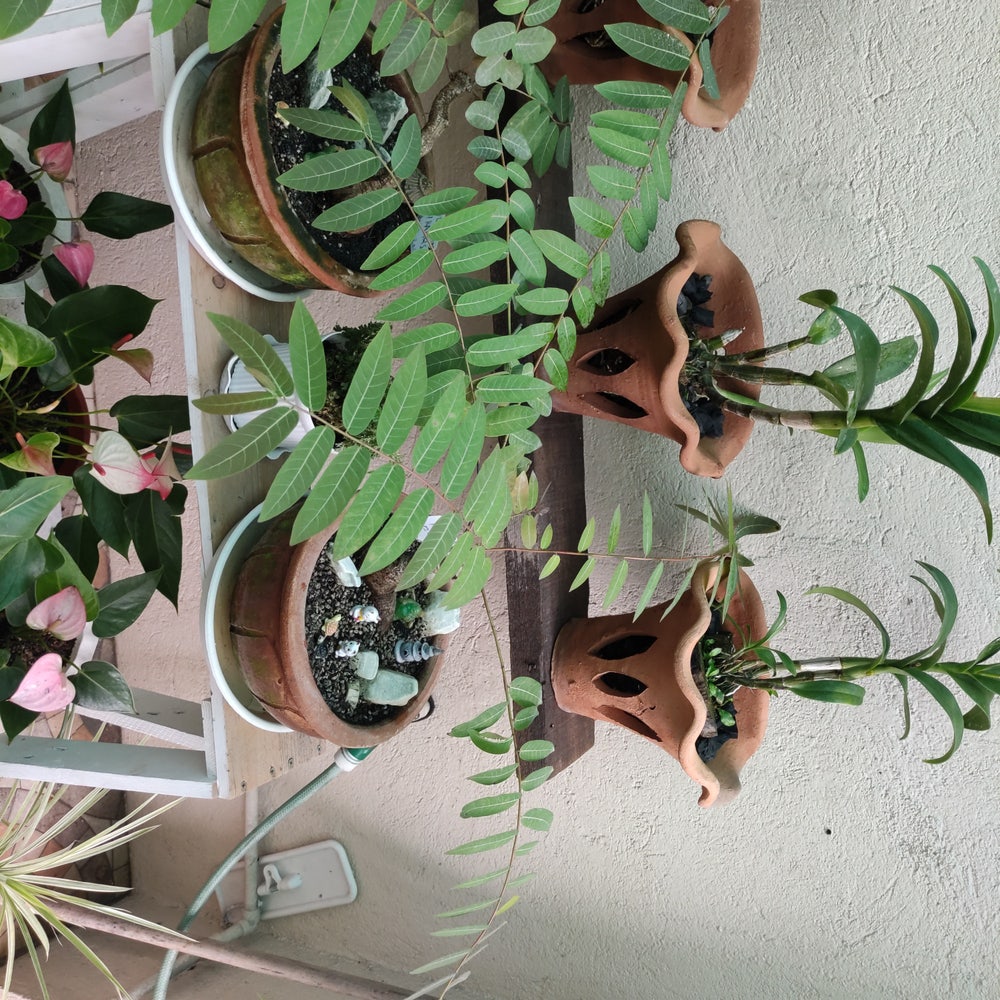
Why Star Gooseberry Is A Perennial Plant ⭐
Phyllanthus acidus
By the Greg Editorial Team
Nov 26, 2024•5 min read
This article was created with the help of AI so we can cover more plants for you. May contain errors. See one? Report it here.
Grow a thriving garden with Star Gooseberry 🌱—a resilient perennial that yields delicious fruit year after year!
- 🌱 Star Gooseberry is a perennial, thriving for years without replanting.
- 🌼 It produces vibrant flowers and fruit seasonally, ensuring consistent annual yields.
- 🌍 Adaptable to various climates, Star Gooseberry enhances garden sustainability and soil health.
Characteristics of Star Gooseberry as a Perennial
Multi-Year Lifecycle 🌱
Star Gooseberry is a remarkable perennial plant that thrives for several years, producing fruit without the need for replanting. This longevity sets it apart from annual and biennial plants, which require re-seeding each year, making Star Gooseberry a sustainable choice for gardeners.
Growth Patterns and Regrowth from Roots 🌿
One of the standout features of Star Gooseberry is its ability to regenerate from its established root system each year. This bushy shrub not only spreads but also contributes to its perennial nature, ensuring a robust and fruitful garden season after season.
The resilience of Star Gooseberry makes it an excellent addition to any garden, providing consistent yields and a vibrant presence. As we explore its impact on growth and flowering, we’ll see how its perennial characteristics enhance its overall performance.
Impact of Perennial Nature on Growth and Flowering
🌸 Effects on Growth and Flowering
Star Gooseberry is a remarkable perennial that thrives through distinct flowering cycles. It produces vibrant flowers and delicious fruit in response to seasonal changes, ensuring a bountiful harvest year after year.
The perennial nature of Star Gooseberry significantly influences its fruit production. Unlike annual plants that require replanting each season, this resilient shrub offers consistent yields over multiple years, making it a gardener's dream.
⏳ Overall Lifespan
Under optimal conditions, Star Gooseberry can live for decades, showcasing its longevity. This impressive lifespan is influenced by several factors, including soil quality, climate, and care practices.
Healthy, nutrient-rich soil and a suitable climate are crucial for maximizing the lifespan of Star Gooseberry. Proper care, such as regular watering and fertilization, can further enhance its vitality and productivity.
As we explore the dormancy and seasonal changes of Star Gooseberry, we’ll uncover how these cycles contribute to its overall health and growth.
Dormancy and Seasonal Changes
Description of Dormancy Periods 🌱
Star Gooseberry enters a dormancy phase during the cooler months, a common trait among many perennial plants. This period is characterized by noticeable signs such as leaf drop and a significant reduction in growth activity.
Seasonal Changes Throughout the Year 🌍
As the seasons shift, Star Gooseberry showcases distinct growth patterns. It thrives and actively grows during the warmer months, while it rests in dormancy when temperatures drop.
The local climate plays a crucial role in these seasonal changes. Variations in temperature and humidity can influence the timing of flowering and fruiting, making each growing season unique.
Advantages for Gardeners
Benefits of Reduced Replanting 🌱
One of the standout advantages of growing Star Gooseberry is the significant reduction in replanting efforts. With its perennial nature, this plant saves you both time and resources, allowing you to focus on other gardening tasks.
This sustainability aspect not only eases your workload but also promotes a more stable garden ecosystem. Fewer disturbances to the soil mean healthier conditions for all your plants.
Importance of Established Root Systems 🌳
Established root systems are a game changer for Star Gooseberry. These roots enhance the plant's resilience, improving its ability to withstand drought and efficiently absorb nutrients.
Moreover, perennial plants like Star Gooseberry contribute positively to soil health. Their roots help maintain soil structure and fertility, creating a thriving environment for other plants in your garden.
Incorporating Star Gooseberry into your garden not only simplifies your gardening routine but also enriches the overall ecosystem. As we explore the variations in behavior across climate zones, you'll see how adaptable this plant truly is.
Variations in Behavior Across Climate Zones
🌍 Differences in Behavior in Various Climates
Star Gooseberry is a remarkably adaptable plant, thriving primarily in tropical to subtropical climates. However, its growth patterns can vary significantly in cooler zones, where it may not reach its full potential.
Temperature and humidity play crucial roles in the growth cycles of Star Gooseberry. In warmer climates, the plant flourishes, producing abundant flowers and fruit. Conversely, in cooler areas, it may experience slower growth and reduced yields.
⏳ Factors Influencing Longevity in Different Conditions
The type and quality of soil are vital for the optimal growth of Star Gooseberry. Well-draining, nutrient-rich soil supports healthy root development and overall plant vigor.
Climate considerations also impact the lifespan and productivity of Star Gooseberry. Extreme weather conditions, such as prolonged droughts or heavy rainfall, can stress the plant, affecting its longevity and fruiting capabilities.
Understanding these variations can help gardeners make informed decisions about where and how to cultivate Star Gooseberry effectively. By considering climate and soil conditions, you can maximize the benefits of this resilient perennial in your garden.
As we explore the next section, we’ll delve into tips for maximizing the benefits of Star Gooseberry in your garden planning.
Maximizing Benefits in Garden Planning
Tips for Long-Term Cultivation 🌱
When planting Star Gooseberry, choose a location that receives ample sunlight and is shielded from harsh winds. This ensures the plant thrives and produces fruit consistently.
Regular maintenance is key to a healthy Star Gooseberry. Pruning encourages bushy growth, while fertilization provides essential nutrients for robust development.
Strategies for Integrating into Garden Design 🌼
Companion planting can enhance the growth of Star Gooseberry. Pairing it with other perennials creates a diverse ecosystem that benefits all plants involved.
Designing your garden for seasonal interest is also crucial. By planning for the flowering cycles of Star Gooseberry, you can ensure your garden remains vibrant and visually appealing throughout the year.
Incorporating these strategies will not only maximize the benefits of Star Gooseberry but also create a flourishing garden that delights the senses. As you plan, consider how these elements work together to enhance your gardening experience.
⚠️ Safety First
This content is for general information and may contain errors, omissions, or outdated details. It is not medical, veterinary advice, or an endorsement of therapeutic claims.
Always consult a qualified healthcare professional before using any plant as food, medicine, or supplement.
Never eat any plant (or feed one to pets) without confirming its identity with at least two trusted sources.
If you suspect poisoning, call Poison Control (800) 222-1222, the Pet Poison Helpline (800) 213-6680, or your local emergency service immediately.
Spotted an error? Please report it here.
Grow your Star Gooseberry effortlessly 🌱 with Greg's tailored care tips and reminders, ensuring vibrant blooms and fruit year after year!