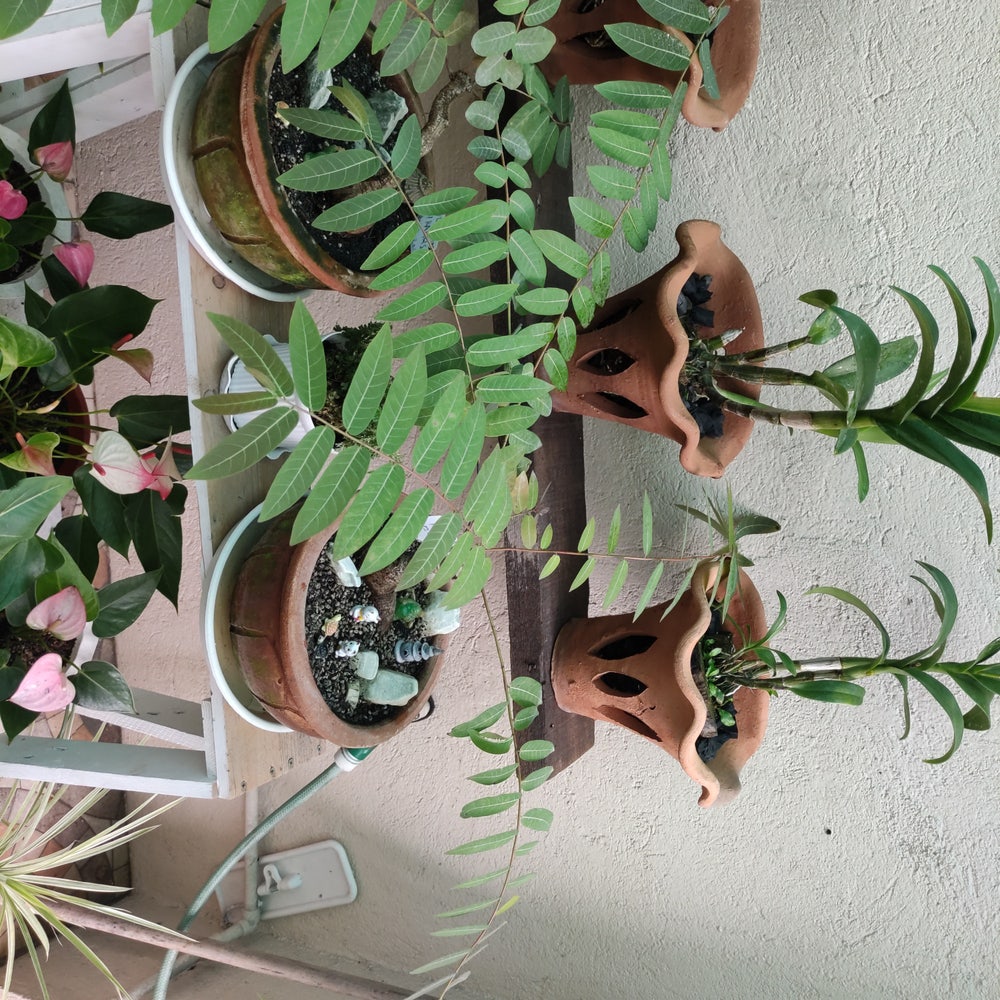
Otaheite Gooseberry: A Comprehensive Overview 🍇
Phyllanthus acidus
By the Greg Editorial Team
Jan 24, 2025•12 min read
This article was created with the help of AI so we can cover more plants for you. May contain errors. See one? Report it here.
Grow Otaheite Gooseberries 🌱 effortlessly and savor the rewards of your thriving garden with delicious fruits!
- 🌞 Otaheite Gooseberries need 6-8 hours of sunlight daily for optimal growth.
- 🌱 Well-draining, fertile soil with pH 6.0-7.5 is ideal for planting.
- 🍇 Rich in vitamins and antioxidants, these berries enhance your diet and culinary creations.
How to Grow
Choosing a Location 🌞
To thrive, the Otaheite Gooseberry needs full sun exposure, ideally basking in 6-8 hours of sunlight daily. Whether you choose outdoor planting or container gardening, ensure the location receives ample light for optimal growth.
Soil Preparation 🌱
The ideal soil for Otaheite Gooseberry is well-draining and fertile, with a pH level between 6.0 and 7.5. Enhance soil fertility by incorporating organic matter, which will provide essential nutrients for your plants.
Planting Techniques 🌿
When planting, seeds or cuttings should be placed 1-2 inches deep in the soil. For outdoor planting, maintain a spacing of 6-10 feet between each plant to allow for healthy growth and airflow.
Watering Requirements 💧
Keep the soil consistently moist but avoid waterlogging, as this can harm the roots. For container plants, consider using drip irrigation to ensure they receive the right amount of water without excess.
Fertilizing Schedule 🥦
A balanced NPK fertilizer is ideal for feeding your Otaheite Gooseberry. Apply it every 4-6 weeks during the growing season to support vigorous growth and fruit production.
Pruning Methods ✂️
Prune your plants in early spring, just before new growth begins. Focus on removing dead or overcrowded branches to enhance airflow and reduce the risk of disease.
Ongoing Care 🛡️
Regularly monitor your plants for pests and diseases to catch any issues early. Adjust your watering and fertilization practices based on the growth stage, ensuring your Otaheite Gooseberry remains healthy and productive.
With these guidelines, you’re well on your way to cultivating a thriving Otaheite Gooseberry plant. Next, let’s explore how to propagate this delightful fruit!
Propagation
🌱 Seed Propagation
To start your Otaheite gooseberry from seeds, begin by soaking them in water for 24 hours. This simple step enhances germination, which typically takes 2-4 weeks under optimal conditions.
✂️ Cutting Propagation
If you prefer propagation through cuttings, select healthy stems that are 6-8 inches long. For the rooting medium, a mix of peat and perlite works wonders, providing the right balance of moisture and aeration.
⏳ Rooting Time
Expect the rooting process to take about 3-6 weeks in a humid environment. Keeping the cuttings in a warm, moist area will help them establish roots more effectively.
With these propagation techniques, you can easily expand your Otaheite gooseberry collection. Next, let’s explore the lifecycle of this fascinating plant and how it develops over time.
Lifecycle
Lifecycle Stages 🌱
The Otaheite gooseberry is typically grown as a perennial in suitable climates. This means it can thrive for multiple growing seasons, providing a consistent yield of delicious fruits.
Germination Process 🌡️
For optimal germination, maintain a temperature between 70°F to 85°F (21°C to 29°C). This warm environment encourages seeds to sprout effectively.
Seedling Stage 🌿
Once germinated, the seedling stage lasts about 4-6 weeks. During this time, the plants develop their first true leaves, signaling healthy growth.
Vegetative Growth 🌳
Following the seedling stage, the vegetative growth phase occurs, lasting 3-6 months. This is when the plant focuses on growing leaves and stems, preparing for future flowering.
Flowering and Seed Production 🌼
Flowering typically happens 6-12 months after planting. Shortly after flowering, the plant begins producing seeds, ensuring the cycle continues.
Growth Timeline and Lifespan ⏳
The time to maturity for the Otaheite gooseberry is approximately 1-2 years. With proper care, these plants can live for several years, rewarding gardeners with bountiful harvests.
This lifecycle overview highlights the resilience and productivity of the Otaheite gooseberry. Understanding these stages can help you provide the best care and maximize your gardening success. Next, let’s explore the size of this remarkable plant.
Size
Mature Height and Spread 🌳
The Otaheite Gooseberry typically reaches a height of 6 to 10 feet, making it a striking addition to any garden. Its spread can extend from 6 to 8 feet wide, providing ample coverage and a lush appearance.
Growth Rate and Size Variability 📈
This plant has a moderate growth rate, which can fluctuate based on environmental conditions. Factors such as soil quality, sunlight, and water availability play crucial roles in determining how quickly it grows.
Impact of Growing Conditions on Size 🌱
The size of the Otaheite Gooseberry is significantly influenced by its growing conditions. Optimal soil fertility, adequate sunlight, and consistent watering can lead to a more robust and larger plant.
Understanding these size characteristics can help you plan your garden layout effectively. With the right care, your Otaheite Gooseberry can thrive and become a centerpiece in your outdoor space.
Roots
Root System Characteristics 🌱
The Otaheite Gooseberry features a fibrous root system, which helps anchor the plant securely in the soil. This type of root structure is essential for nutrient absorption and stability.
Depth and Spread of Roots 📏
Typically, the roots extend 1-2 feet deep, allowing the plant to access moisture and nutrients. Additionally, the root spread often extends beyond the canopy, maximizing the area for nutrient uptake.
Common Root-Related Issues ⚠️
One common issue to watch for is root rot, primarily caused by overwatering. Signs of this problem include yellowing leaves, which indicate that the roots are struggling.
Identifying Healthy vs. Unhealthy Roots 🔍
Healthy roots are firm, white, and spread evenly throughout the soil. In contrast, unhealthy roots appear dark, mushy, or may emit a foul smell, signaling that something is wrong.
Recognizing Rootbound Plants and Solutions 🪴
If you notice roots growing out of the drainage holes, your plant may be rootbound. The best solution is to repot the Otaheite Gooseberry into a larger container, allowing for further growth and development.
Understanding the root system of the Otaheite Gooseberry is crucial for its overall health. With proper care and attention, you can ensure your plant thrives and produces delicious fruits.
Next, we will explore the numerous benefits of growing this unique plant.
Benefits
Top 5 Benefits 🍇
Nutritional Value
Otaheite gooseberries are packed with vitamins and antioxidants. They provide a healthy boost to your diet, making them a fantastic addition to any meal.Culinary Versatility
These berries shine in the kitchen, perfect for jams, jellies, and salads. Their unique flavor adds a delightful twist to various dishes.Ornamental Appeal
With their attractive foliage and vibrant fruits, Otaheite gooseberries enhance any garden. They not only serve a purpose but also elevate your outdoor space's aesthetic.Cultural Significance
In many cultures, these berries are integral to traditional dishes. Their rich history adds depth to their culinary uses, connecting you to diverse culinary practices.Easy to Grow
Ideal for gardeners of all levels, Otaheite gooseberries require minimal care in suitable climates. This makes them a great choice for those looking to cultivate something rewarding without excessive effort.
These benefits make Otaheite gooseberries a must-have for any garden enthusiast. Whether you're after nutrition, flavor, or beauty, these berries deliver on all fronts.
Next, let’s explore the concept of companion planting and how it can enhance your gardening experience.
Companion Plants
🌱 Concept of Companion Planting
Companion planting is a gardening strategy that pairs plants to enhance growth, improve pest management, and increase garden diversity. By choosing the right companions, you can create a thriving ecosystem that benefits all plants involved.
🌼 Best Companion Plants
When growing Otaheite Gooseberry, consider these excellent companions:
- Basil: This aromatic herb not only complements the flavor of gooseberries but also repels pests.
- Marigolds: Their vibrant flowers attract beneficial insects while deterring harmful ones.
- Peppers: Sharing similar care needs, peppers thrive alongside gooseberries, maximizing garden space.
🚫 Plants to Avoid
While some plants work well together, others can create problems. Avoid planting Otaheite Gooseberry near nightshades, such as tomatoes. These plants are prone to similar pest issues, which can lead to increased competition and disease spread.
By strategically selecting companion plants, you can enhance the health and productivity of your Otaheite Gooseberry. This thoughtful approach not only promotes a flourishing garden but also fosters a more sustainable growing environment.
Next, let’s explore the potential toxicity of Otaheite Gooseberry to humans and pets.
Toxicity to Humans
🛡️ Safety for Humans
The Otaheite gooseberry is generally considered safe for human consumption. Major health organizations do not list it as toxic, making it a worry-free addition to your diet.
⚠️ Potential Minor Issues
While it's safe, consuming large quantities may lead to mild skin irritation or digestive discomfort. Moderation is key to enjoying this fruit without any adverse effects.
🚨 Cautionary Advice
Always exercise caution with any plant you consume. If you experience unusual symptoms after eating Otaheite gooseberry, seek medical advice promptly to ensure your well-being.
As you explore the benefits of this delightful fruit, remember that knowledge is power. Understanding its safety can enhance your culinary adventures while keeping your health in check.
Edible Properties
🍇 Edible Parts
The Otaheite gooseberry is celebrated for its delicious fruits, which are the only edible parts of the plant. While the fruits are a delightful treat, the leaves and stems are not typically consumed.
🌿 Identification and Harvesting Techniques
To harvest the fruits at their best, look for those that are firm yet slightly soft to the touch. This indicates ripeness and ensures maximum flavor.
🥗 Nutritional Value and Health Benefits
These fruits are not just tasty; they pack a nutritional punch. High in vitamin C and fiber, they may aid digestion and contribute to overall health.
🌍 Cultural Uses
In tropical cuisines, Otaheite gooseberries shine as a flavorful ingredient. They are often used to enhance dishes, showcasing their versatility in various culinary traditions.
With their vibrant taste and health benefits, Otaheite gooseberries are a fantastic addition to any garden or kitchen. Now that you know about their edible properties, let’s explore how to effectively propagate this delightful plant.
Toxicity to Dogs
Safety for Dogs 🐶
The Otaheite gooseberry is generally safe for dogs. Major pet poison control centers do not list it as toxic, which is great news for pet owners.
Potential Minor Issues 🤢
However, if your dog indulges in too much of the fruit, it may experience mild gastrointestinal upset. This could manifest as a bit of an upset stomach or some digestive discomfort.
Tips for Introducing to Homes with Dogs 🏡
When introducing Otaheite gooseberry to your home, consider proper placement. Keep the plant out of reach of curious paws and monitor your dog's behavior around it to ensure they don't overindulge.
As you explore the joys of growing this delightful plant, remember to keep your furry friends in mind. With a little care, you can enjoy the benefits of the Otaheite gooseberry while ensuring your dog's safety.
Toxicity to Cats
Safety for Cats 🐱
The Otaheite gooseberry is not listed as toxic by major pet poison control centers. This means you can enjoy this plant without worrying about harming your feline friends.
Potential Minor Issues 🚨
While generally safe, excessive consumption may lead to mild gastrointestinal upset in cats. It's always best to monitor your pet's behavior after they interact with any new plant.
Tips for Introducing to Homes with Cats 🏡
To keep your cat safe, place the Otaheite gooseberry out of reach. Regularly observe your cat's behavior around the plant to ensure they aren't nibbling on it excessively.
As you enjoy the beauty of this plant, remember to create a safe environment for your furry companions. This way, you can appreciate the Otaheite gooseberry without any worries!
Problems
Identifying Symptoms and Causes 🌱
Understanding the common problems that can affect your Otaheite Gooseberry is crucial for maintaining its health.
Incorrect Watering: Overwatered plants often display yellowing leaves, a clear sign that they are struggling. Conversely, underwatered plants may become wilted and dry.
Incorrect Light Conditions: If your plants are leggy, it indicates they are not receiving enough light. This can lead to weak growth and fewer fruits.
Solutions for Common Problems 🛠️
Addressing these issues promptly can save your plants and ensure a bountiful harvest.
Overwatering: Allow the soil to dry out before watering again. This helps prevent root rot and encourages healthy growth.
Underwatering: If your plants are thirsty, increase the watering frequency. Regular checks will help you gauge their needs.
Fungal Diseases: Apply fungicide and improve airflow around the plants. This reduces humidity and helps prevent the spread of diseases.
Leaf Issues: Adjust light exposure and check for pests. Ensuring your plants receive adequate light can resolve many leaf-related problems.
Growth Problems: Ensure proper nutrition and sunlight. A balanced approach to fertilization and light will promote robust growth.
By staying vigilant and addressing these common issues, you can keep your Otaheite Gooseberry thriving. Next, let’s explore the potential pest problems that may arise in your garden.
Bugs
🐛 Potential Pest Issues
Otaheite gooseberries can attract a variety of pests that may threaten their health. Being aware of these potential issues is crucial for maintaining a thriving plant.
🔍 Identification and Damage Caused by Pests
Spider Mites: These tiny pests can be a real nuisance. Look for fine webbing on the leaves and stippled damage, which indicates their presence.
Mealybugs: Another common foe, mealybugs appear as white, cotton-like masses on the stems. Their feeding can weaken the plant, leading to stunted growth.
💪 Effective Treatment Options
To combat spider mites, consider using neem oil, which is effective and environmentally friendly. For mealybugs, insecticidal soap works wonders, helping to eliminate these pests without harming your plant.
By staying vigilant and employing these treatments, you can keep your Otaheite gooseberry healthy and flourishing. Next, let’s explore what animals might be tempted to snack on your prized fruits.
What Eats Otaheite Gooseberry
Common Animals 🦌
Otaheite gooseberries attract a variety of wildlife. Deer, rabbits, and birds are particularly fond of their sweet fruits.
Signs of Animal Presence and Damage 🐾
If you notice chewed leaves or missing fruits, it’s a clear sign that animals are enjoying your plants. Additionally, droppings near the base can indicate which critters have been visiting.
Deterrent Methods 🚧
To protect your gooseberries, consider implementing a few deterrent strategies. Fencing around your garden can keep larger animals at bay, while repellents can discourage smaller pests.
Companion planting is another effective method. By planting certain herbs or flowers alongside your gooseberries, you can create a natural barrier that deters unwanted visitors.
With these strategies, you can enjoy your Otaheite gooseberries without the worry of sharing them with local wildlife.
⚠️ Safety First
This content is for general information and may contain errors, omissions, or outdated details. It is not medical, veterinary advice, or an endorsement of therapeutic claims.
Always consult a qualified healthcare professional before using any plant as food, medicine, or supplement.
Never eat any plant (or feed one to pets) without confirming its identity with at least two trusted sources.
If you suspect poisoning, call Poison Control (800) 222-1222, the Pet Poison Helpline (800) 213-6680, or your local emergency service immediately.
Spotted an error? Please report it here.
Grow bountiful Otaheite Gooseberries 🍇 with Greg's tailored care tips and watering reminders, ensuring your garden thrives and your harvest delights!