🌸 3 Tips for Blooming Your Star Gooseberry
Phyllanthus acidus
By the Greg Editorial Team
Nov 26, 2024•5 min read
This article was created with the help of AI so we can cover more plants for you. May contain errors. See one? Report it here.
Unlock the secrets of Star Gooseberry 🌱, a resilient plant that thrives without traditional flowers while offering delicious fruit! 🍇
- 🌼 Star Gooseberry blooms are small, greenish-yellow, crucial for fruit production.
- 🌱 Self-pollinating nature allows fruiting without external pollen, enhancing yield with it.
- ⏳ Blooming takes 4-6 weeks; timely care is essential for maximizing fruit production.
Flowering Status of Star Gooseberry
The Star Gooseberry is a fascinating plant, but it’s essential to clarify that it does not produce flowers in the traditional sense. Instead, its primary value lies in its lush foliage and delicious fruit, making it a favorite among gardeners who appreciate its aesthetic and culinary contributions.
Understanding the non-flowering nature of the Star Gooseberry is crucial for gardeners. This characteristic means that while the plant may not showcase vibrant blooms, it still offers a rich green canopy and fruitful harvests, allowing for a unique gardening experience.
If Star Gooseberry Flowers
🌼 Flower Characteristics
Star Gooseberry produces small, greenish-yellow flowers that bloom in clusters. While these flowers are not particularly showy, they play a role in the plant's reproductive cycle.
🌱 Self-Pollination vs. External Pollination
Understanding the pollination of Star Gooseberry is crucial for gardeners. This plant is primarily self-pollinating, meaning it can produce fruit without needing pollen from another plant, although external pollination can enhance fruit set.
🌸 Blooming Process
The blooming process of Star Gooseberry involves several stages, starting from bud formation to full bloom. Typically, the bloom season occurs during the warmer months, providing a vibrant display for a short period.
Duration from Bud Formation to Full Bloom
From the initial bud formation to full bloom, the process usually takes about 4 to 6 weeks. This timeframe can vary based on environmental conditions.
Lifespan of Flowers
Once the flowers bloom, they typically last for about a week before wilting. This brief lifespan emphasizes the importance of timely care to maximize fruit production.
🌞 Encouraging Blooms
To encourage blooming in Star Gooseberry, focus on optimal growing conditions. Ensure the plant receives adequate light, water, and nutrients to thrive.
Importance of Pruning and Care Practices
Regular pruning is essential to promote healthy growth and flowering. Proper care practices, including monitoring soil quality and plant health, can significantly influence blooming success.
🌧️ Factors Influencing Flowering
Several factors can affect the flowering of Star Gooseberry. Environmental conditions, such as temperature and humidity, along with soil quality, play a crucial role in the plant's ability to bloom.
🍇 Post-Flowering
After the flowering period, the Star Gooseberry enters a growth phase where it begins to produce fruit. This transition is vital for gardeners looking to enjoy the delicious berries.
Discussion on Whether Star Gooseberry Dies After Flowering
It's important to note that Star Gooseberry does not die after flowering. Instead, it continues to thrive, producing fruit and maintaining its foliage for years to come.
This understanding of the flowering process and post-bloom care will help you cultivate a healthy Star Gooseberry plant, ensuring a fruitful harvest. Next, we will explore what to do if your Star Gooseberry doesn't flower at all.
If Star Gooseberry Doesn't Flower
🌿 Ornamental or Functional Features
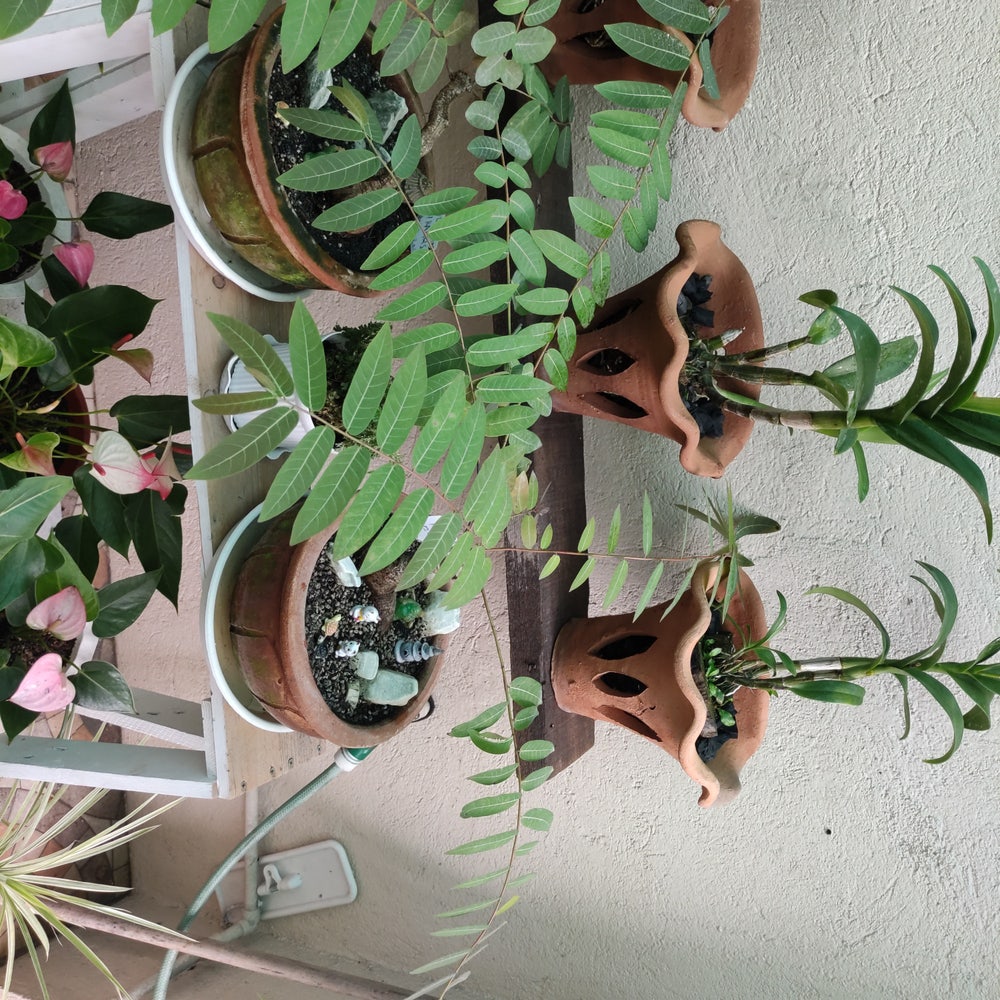
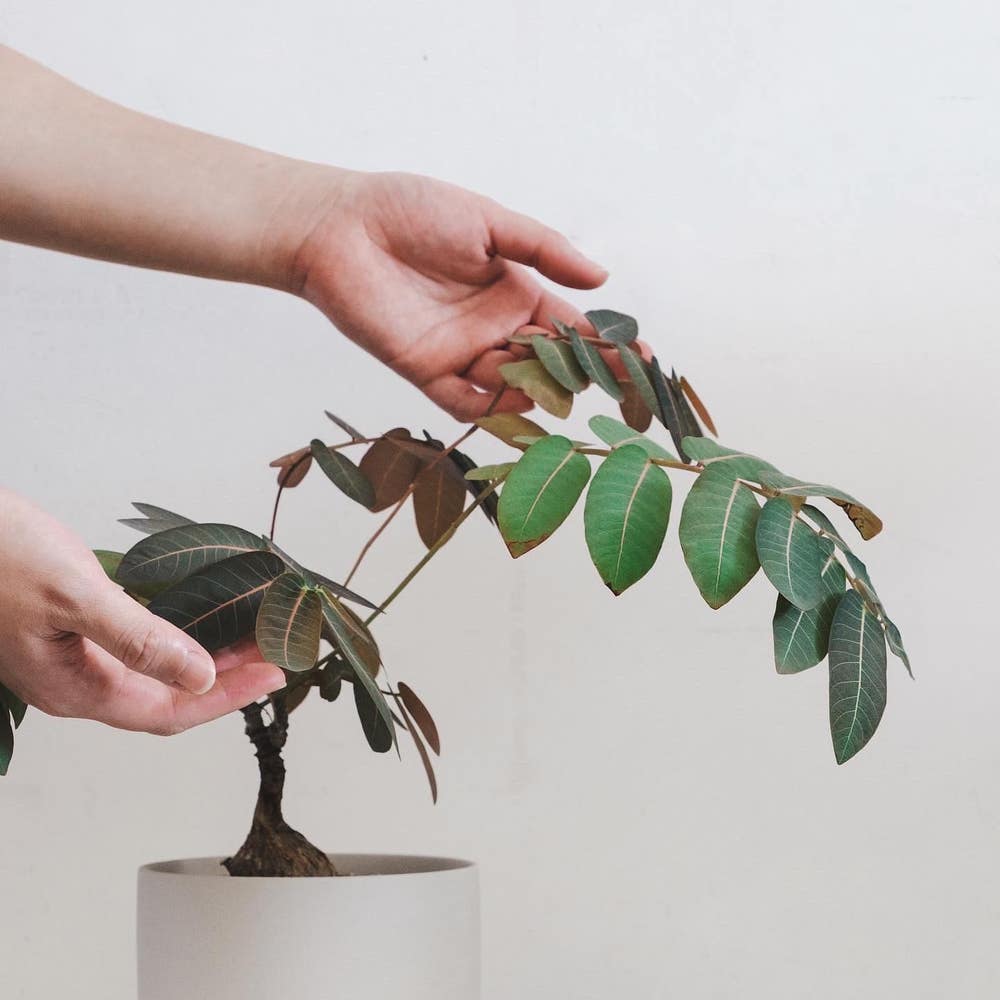
The Star Gooseberry is a unique addition to any garden, primarily valued for its striking foliage. Its leaves are glossy and vibrant, creating a lush backdrop that enhances the overall aesthetic appeal of your landscape.
In landscaping, the Star Gooseberry serves multiple purposes. It can be used as a decorative shrub, providing texture and color, or as a functional plant that attracts wildlife. Its dense growth habit makes it an excellent choice for privacy screens or hedges.
🌱 Reproduction Without Flowers
Even without flowers, the Star Gooseberry has a fascinating way of reproducing. It relies on vegetative reproduction, primarily through cuttings, which allows gardeners to propagate new plants easily.
This method of reproduction offers several advantages. It ensures that the new plants maintain the same desirable traits as the parent, making it a reliable strategy for cultivation. Plus, it simplifies the propagation process, allowing for a more efficient way to expand your garden.
As you explore the Star Gooseberry, you'll find that its non-flowering nature doesn't detract from its beauty or utility. Instead, it highlights the plant's resilience and adaptability, making it a worthy addition to any garden enthusiast's collection.
Next, let's delve into the unique aspects of the Star Gooseberry, including its unusual characteristics and cultural significance.
Unique Aspects
🌱 Adaptations in Native Habitat
The Star Gooseberry boasts unique adaptations that allow it to thrive in its native environments. This plant has developed resilience to varying soil conditions and can flourish in both tropical and subtropical climates.
These adaptations not only enhance its survival but also contribute to its ability to produce fruit abundantly, even without the presence of flowers. This makes it a fascinating specimen for gardeners looking to diversify their plant collections.
🍽️ Cultural Significance and Culinary Uses
Star Gooseberry is not just a plant; it holds cultural significance in many regions. Its fruit is often used in traditional dishes, providing a tangy flavor that enhances both sweet and savory recipes.
In addition to its culinary uses, the fruit is celebrated for its health benefits, including high vitamin C content. This dual role as both a food source and a cultural staple makes the Star Gooseberry a valuable addition to any garden.
🌼 Comparison with Other Plants
When comparing the Star Gooseberry to other flowering and non-flowering plants, its reproductive strategy stands out. Unlike many plants that rely on flowers for reproduction, the Star Gooseberry can reproduce vegetatively, making it a resilient choice for gardeners.
This method of reproduction allows it to thrive in environments where other plants may struggle. Understanding these unique aspects can inspire gardeners to appreciate the diversity of plant life and the various strategies they employ to survive and flourish.
As we explore the flowering characteristics of the Star Gooseberry, it's essential to recognize how its unique adaptations and reproductive strategies contribute to its overall appeal and functionality in the garden.
⚠️ Safety First
This content is for general information and may contain errors, omissions, or outdated details. It is not medical, veterinary advice, or an endorsement of therapeutic claims.
Always consult a qualified healthcare professional before using any plant as food, medicine, or supplement.
Never eat any plant (or feed one to pets) without confirming its identity with at least two trusted sources.
If you suspect poisoning, call Poison Control (800) 222-1222, the Pet Poison Helpline (800) 213-6680, or your local emergency service immediately.
Spotted an error? Please report it here.
Unlock the fruitful potential of your Star Gooseberry 🌱 with Greg's tailored care reminders that ensure your plant blooms beautifully and thrives for years to come!