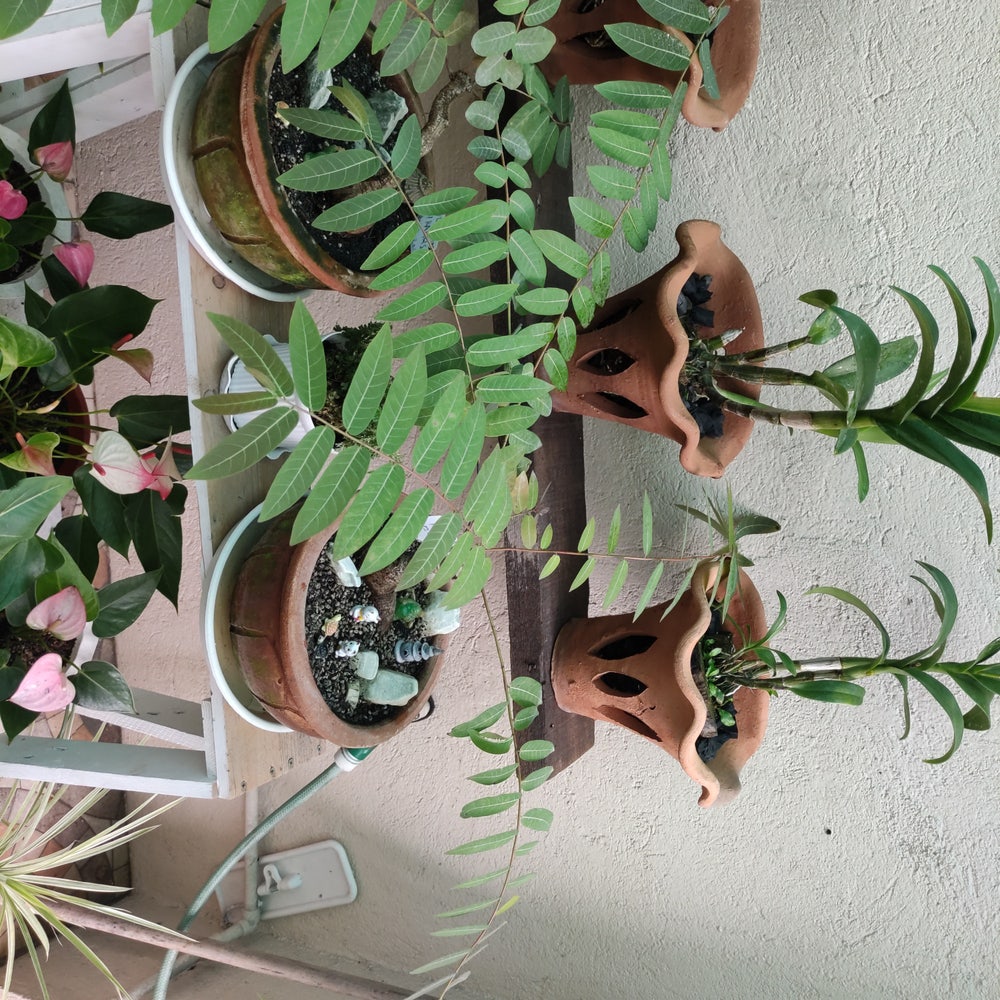
⭐ 5 Tips for Healthy Star Gooseberry Roots
Phyllanthus acidus
By the Greg Editorial Team
Nov 26, 2024•8 min read
This article was created with the help of AI so we can cover more plants for you. May contain errors. See one? Report it here.
Master root health for thriving Star Gooseberries 🌱 and unlock their full potential for robust growth and resilience!
- 🌱 Healthy Star Gooseberry roots access moisture and nutrients, ensuring plant resilience.
- 💧 Deep watering promotes robust taproot growth, vital during dry spells.
- 🧪 Regular soil testing identifies nutrient deficiencies, supporting optimal root development.
Characteristics of the Root System
🌱 Type of Root System: Taproot System
The Star Gooseberry features a robust taproot system. This deep taproot allows the plant to access moisture from deeper soil layers, ensuring it remains hydrated even during dry spells.
In addition to the taproot, the Star Gooseberry has wide-spreading lateral roots. These roots provide stability and enhance nutrient uptake, making the plant more resilient and productive.
📈 Growth Patterns of Roots
Understanding how roots develop is crucial for nurturing healthy Star Gooseberries. Initially, the taproot grows downward, establishing a strong foundation.
As the plant matures, lateral roots begin to expand outward. This growth pattern not only supports the plant's stability but also increases its ability to absorb nutrients and water from a larger area.
The dynamic nature of root growth means that regular monitoring is essential. Observing how roots develop over time can help you make informed decisions about watering and fertilizing practices.
In summary, a well-established root system is vital for the overall health of the Star Gooseberry. With a deep taproot and extensive lateral roots, this plant is equipped to thrive in various conditions, setting the stage for successful growth and fruit production.
Next, we will explore how to effectively water and fertilize your Star Gooseberry to support its root health.
Watering and Fertilizing
🌱 Impact of Root System on Watering Practices
Understanding the root system of Star Gooseberry is crucial for effective watering. The deep taproot allows the plant to access moisture from deeper soil layers, while the wide-spreading roots help with stability and nutrient uptake.
To optimize watering, adjust the frequency based on soil moisture and seasonal changes. During dry spells, deep watering encourages the taproot to grow deeper, promoting a healthier plant overall.
🌿 Fertilization Techniques Tailored to Root Health
Choosing the right fertilizers is essential for the robust development of Star Gooseberry roots. Balanced NPK fertilizers provide the necessary nutrients—nitrogen, phosphorus, and potassium—that support root growth and overall plant health.
Timing your fertilization is equally important. Apply fertilizers during key growth stages, such as early spring and mid-summer, to maximize their effectiveness.
Incorporate fertilizers into the soil around the root zone to ensure that nutrients are readily available. This method not only nourishes the roots but also promotes a thriving plant that can withstand environmental stresses.
By mastering these watering and fertilizing techniques, you can significantly enhance the health of your Star Gooseberry roots, setting the stage for a flourishing plant. Next, let’s explore the best practices for transplanting these resilient plants.
Transplanting Considerations
Best Practices for Transplanting 🌱
Timing is crucial when transplanting Star Gooseberry. The best seasons are early spring or fall, as these periods minimize stress and promote quicker establishment.
Preparing the new planting site is essential for success. Amend the soil with organic matter to improve fertility and ensure proper drainage, which is vital for root health.
When transplanting, handle the roots with care. Avoid damaging them to ensure the plant can establish itself quickly in its new environment.
Impact of Root System on Transplant Success 🌳
A healthy root system plays a significant role in successful transplanting. Strong roots help the plant absorb nutrients and water, leading to better growth and resilience.
Watch for signs of transplant shock, such as wilting or yellowing leaves. To mitigate shock, provide adequate water and avoid fertilizing immediately after transplanting, allowing the roots to settle in first.
With these practices, your Star Gooseberry will thrive in its new home, setting the stage for robust growth and fruit production.
Common Root-Related Issues
🕵️ Identifying and Solving Root-Related Problems
Star Gooseberry plants can face several root-related issues that affect their health. The most common problems include root rot, overwatering, and nutrient deficiencies.
Root rot is particularly concerning. Symptoms include wilting, yellowing leaves, and stunted growth. To combat this, improving drainage is essential. Adjusting your watering practices can also help prevent excess moisture from accumulating around the roots.
Overwatering is a frequent mistake among gardeners. It can lead to root rot and other complications. Ensure that your watering schedule aligns with the plant's needs, especially during different seasons.
Nutrient deficiencies can manifest as poor growth or discoloration in leaves. Regularly testing your soil can help identify these issues early. Once recognized, you can amend the soil with appropriate fertilizers to restore balance.
🛡️ Preventative Measures for Root Health
Preventing root-related issues starts with good practices. Choosing well-draining soil is crucial to avoid waterlogging, which can suffocate roots.
Regular monitoring of soil moisture levels is equally important. Use a moisture meter or your finger to check the soil's dampness before watering. This simple step can save your plants from the stress of overwatering.
By implementing these preventative measures, you can maintain a healthy root system. Healthy roots lead to vibrant plants, ensuring your Star Gooseberry thrives in your garden.
With a solid understanding of common root issues and their solutions, you can now explore how to recognize root health effectively.
Recognizing Root Health
👀 Visual Cues of Healthy vs Unhealthy Roots
Healthy roots are the backbone of any thriving plant. Look for roots that are white or light tan in color and have a firm texture, indicating they are well-nourished and robust.
In contrast, unhealthy roots often present darker, mushy textures, signaling root rot. If you notice stunted growth in your plant, it could be a sign of nutrient deficiencies or root damage that needs immediate attention.
🔄 Indicators of Rootbound Conditions
Understanding rootbound conditions is crucial for maintaining plant health. A rootbound plant has roots that circle the pot, indicating limited growth space and potential stress.
Signs of a rootbound plant include poor growth, yellowing leaves, and visible roots protruding through drainage holes. If you observe these symptoms, it’s time to consider repotting or dividing your plant to promote healthier growth.
⏰ When to Address Rootbound Conditions
Timing is essential when dealing with rootbound conditions. Recognizing the right moment to repot or divide can make all the difference in your plant's recovery and growth.
Keep an eye on your plants, and don’t hesitate to act when you see signs of being rootbound. Addressing these issues promptly will help ensure your Star Gooseberry thrives in its environment.
As we move forward, let’s explore propagation and division techniques that can further enhance your plant's health and resilience.
Propagation and Division
Importance of Root Health in Propagation 🌱
Healthy roots are the backbone of successful propagation. They ensure that new plants can establish themselves quickly and thrive in their new environments.
Timing is crucial when it comes to propagation. The best seasons for dividing or taking cuttings are typically spring and early summer, as plants are actively growing and can recover more easily.
Techniques for Dividing and Propagating ✂️
To effectively divide plants, follow these straightforward steps:
- Preparing tools: Use clean, sharp shears to prevent any potential infections.
- Identifying suitable sections for division: Look for healthy, well-established sections that can be separated without damaging the roots.
- Replanting divided sections: Handle the roots gently to minimize disturbance, ensuring they are well-positioned in their new homes.
For propagation from cuttings, focus on the following best practices:
- Choose healthy stems with several leaves.
- Cut just below a node, as this is where roots will emerge.
- Place the cuttings in a suitable medium, keeping them moist but not soggy.
By following these techniques, you can enhance your chances of successful propagation and ensure that your Star Gooseberry plants flourish.
As you dive into propagation, remember that nurturing root health is essential for long-term success. This foundation will set the stage for the next topic: understanding the role of the root system in plant resilience.
The Role of Root System in Plant Resilience
🌱 Influence on Overall Health and Growth
The root system is the backbone of any plant, playing a crucial role in its overall health and growth. A robust root system enhances a plant's resilience against stress factors like drought, pests, and diseases.
💪 Resilience to Stress Factors
Healthy roots anchor the plant and allow it to access vital resources. When roots are strong, they can reach deeper soil moisture during dry spells, helping the plant survive drought conditions.
Additionally, a well-developed root system can fend off pests and diseases more effectively. By establishing a strong foundation, plants can better absorb nutrients and water, which fortifies their defenses against potential threats.
🧑🌾 Importance of Maintaining Root Health
Maintaining root health is essential for long-term plant success. Neglecting the roots can lead to a cascade of issues, ultimately affecting the entire plant.
🛠️ Strategies for Enhancing Resilience
To enhance root resilience, consider these strategies:
Proper Watering: Ensure consistent moisture without overwatering. Deep watering encourages roots to grow downwards, promoting stability.
Soil Quality: Use well-draining soil to prevent waterlogging, which can suffocate roots and lead to rot.
Regular Monitoring: Keep an eye on soil moisture levels and root health. Early detection of issues can prevent larger problems down the line.
By focusing on these practices, you can cultivate a resilient root system that supports the overall vitality of your Star Gooseberry plants. This foundation not only helps them thrive but also prepares them to face environmental challenges head-on.
As we move forward, let’s explore common root-related issues that can arise and how to tackle them effectively.
⚠️ Safety First
This content is for general information and may contain errors, omissions, or outdated details. It is not medical, veterinary advice, or an endorsement of therapeutic claims.
Always consult a qualified healthcare professional before using any plant as food, medicine, or supplement.
Never eat any plant (or feed one to pets) without confirming its identity with at least two trusted sources.
If you suspect poisoning, call Poison Control (800) 222-1222, the Pet Poison Helpline (800) 213-6680, or your local emergency service immediately.
Spotted an error? Please report it here.
Cultivate healthy roots 🌱 for your Star Gooseberry by using Greg's tailored reminders and expert tips to ensure deep watering and balanced fertilization for thriving plants!