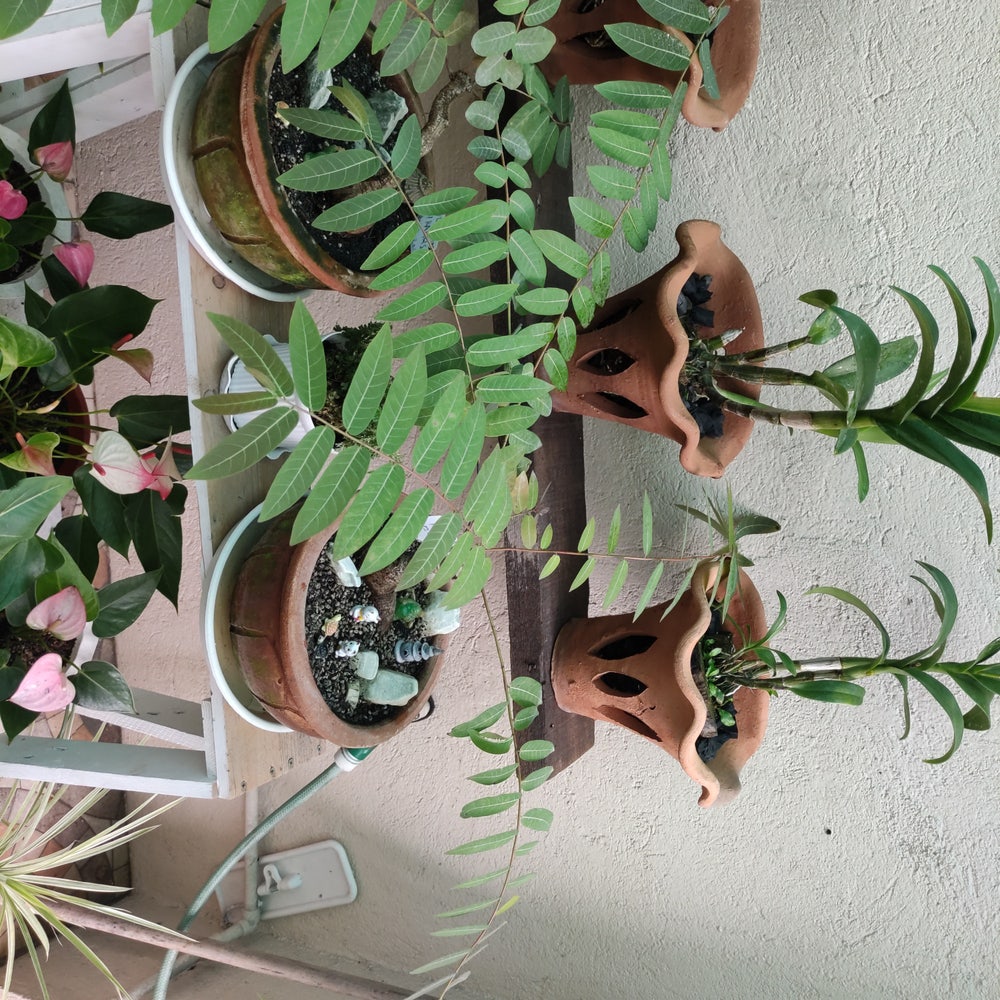
⭐ What to Do About Black Spots on Your Star Gooseberry
Phyllanthus acidus
By the Greg Editorial Team
Nov 26, 2024•5 min read
This article was created with the help of AI so we can cover more plants for you. May contain errors. See one? Report it here.
Revitalize your Star Gooseberry 🌱 with these essential tips for thriving health and vibrant growth!
- 🌱 Maintain humidity between 60-80% for optimal Star Gooseberry growth.
- 🌡️ Keep temperatures between 20°C to 30°C to prevent leaf issues and diseases.
- 🔍 Regularly check for pests like aphids; early detection is key to plant health.
Diagnosing the Problem
Assessing Environmental Factors 🌡️
To keep your Star Gooseberry thriving, pay close attention to humidity levels. The ideal range is between 60-80%, which helps prevent stress and promotes healthy growth.
Temperature is another crucial factor. Aim for a cozy environment between 20°C to 30°C (68°F to 86°F). Fluctuations outside this range can lead to leaf issues, making your plant more susceptible to diseases.
Checking for Pests 🐜
Pests can wreak havoc on your Star Gooseberry. Common culprits include aphids and spider mites, which can cause significant damage if left unchecked.
Look for signs of infestation, such as discolored leaves or webbing. To identify these pests, use a magnifying glass or set up sticky traps to catch them in action.
Evaluating Soil Conditions 🌱
Soil drainage is vital for the health of your Star Gooseberry. It thrives in well-draining, loamy soil that prevents waterlogging and root rot.
Monitor soil moisture levels closely. Overwatering can lead to yellowing leaves, while too little moisture can stunt growth. Regularly test your soil's nutrient levels and pH balance to ensure optimal conditions for your plant.
With these diagnostic steps, you can effectively identify the underlying issues affecting your Star Gooseberry. Next, let’s explore treatment options to restore its health.
Treatment Options
🌱 Organic Fungicides and Their Application
Organic fungicides are a powerful ally in combating black spots on your Star Gooseberry. The most effective types include neem oil, sulfur-based products, and copper fungicides.
When applying these treatments, timing is crucial. Aim for early morning or late afternoon to avoid direct sunlight, which can degrade the effectiveness. Dilution ratios vary, so always follow the manufacturer's instructions for the best results.
Safety is paramount. Ensure that your application methods protect beneficial insects, such as bees, by avoiding spraying during their active hours. This way, you can maintain a healthy ecosystem around your plants.
🏡 Homemade Remedies for Black Spots
If you prefer a DIY approach, several homemade remedies can help tackle black spots. Common solutions include baking soda spray, milk solution, and garlic spray.
To prepare these remedies, mix baking soda with water and a few drops of dish soap for a spray that can deter fungal growth. For the milk solution, combine equal parts milk and water, which can boost plant immunity. Garlic spray requires blending garlic cloves with water, straining, and then spraying the mixture on affected areas.
While these homemade solutions can be effective, they have limitations. Use them for minor issues or as a preventive measure, but don’t hesitate to switch to commercial products for severe infestations.
✂️ Pruning Affected Leaves and Branches
Pruning is an essential practice for maintaining the health of your Star Gooseberry. By removing affected leaves and branches, you reduce the spread of disease and improve air circulation around the plant.
To prune effectively, gather the right tools, such as sharp pruning shears. Make clean cuts at a 45-degree angle to promote healing and minimize stress on the plant. Timing is also important; prune during dry weather to prevent further infection.
After pruning, dispose of the cuttings safely. Avoid composting infected material to prevent reinfection, and consider sealing it in a bag before discarding it to ensure it doesn’t spread any spores.
With these treatment options, you can effectively manage black spots on your Star Gooseberry, ensuring it remains healthy and vibrant. Next, let’s explore preventive measures to keep your plant thriving year-round.
Preventive Measures
🌊 Best Practices for Watering Star Gooseberry
Watering your Star Gooseberry correctly is crucial for its health. Aim for a schedule that aligns with environmental conditions, typically watering once a week, but adjust based on rainfall and humidity.
Deep watering is essential to encourage robust root growth. This means soaking the soil thoroughly to a depth of at least 12 inches, allowing roots to access moisture efficiently.
Be vigilant for signs of overwatering, such as yellowing leaves or a soggy soil surface. Conversely, if leaves are wilting or turning brown, you may be underwatering and need to increase your watering frequency.
🌱 Importance of Soil Health and Nutrients
Healthy soil is the foundation of a thriving Star Gooseberry. Incorporate organic matter like compost or well-rotted manure to enhance soil quality and drainage.
Regularly monitor nutrient levels to ensure your plant receives what it needs. A simple soil test can help you assess pH and nutrient content, allowing you to make necessary adjustments.
Potassium and magnesium play vital roles in leaf health and disease resistance. Ensure your soil has adequate levels of these nutrients to keep your plant strong and vibrant.
🔍 Regular Monitoring and Maintenance Tips
Routine inspections are key to catching problems early. Check your Star Gooseberry at least once a week for pests or signs of disease.
Keep a record of your plant's health and any treatments applied. This will help you identify patterns and make informed decisions about care.
Adjust your care practices with the seasons. As temperatures and light conditions change, your Star Gooseberry may require different watering and nutrient strategies to thrive.
By implementing these preventive measures, you'll set your Star Gooseberry up for success. Next, let’s explore effective treatment options for any issues that may arise.
⚠️ Safety First
This content is for general information and may contain errors, omissions, or outdated details. It is not medical, veterinary advice, or an endorsement of therapeutic claims.
Always consult a qualified healthcare professional before using any plant as food, medicine, or supplement.
Never eat any plant (or feed one to pets) without confirming its identity with at least two trusted sources.
If you suspect poisoning, call Poison Control (800) 222-1222, the Pet Poison Helpline (800) 213-6680, or your local emergency service immediately.
Spotted an error? Please report it here.
Keep your Star Gooseberry spotless and thriving 🌟 by using Greg to monitor humidity, track pests, and receive tailored care reminders for a flourishing plant!