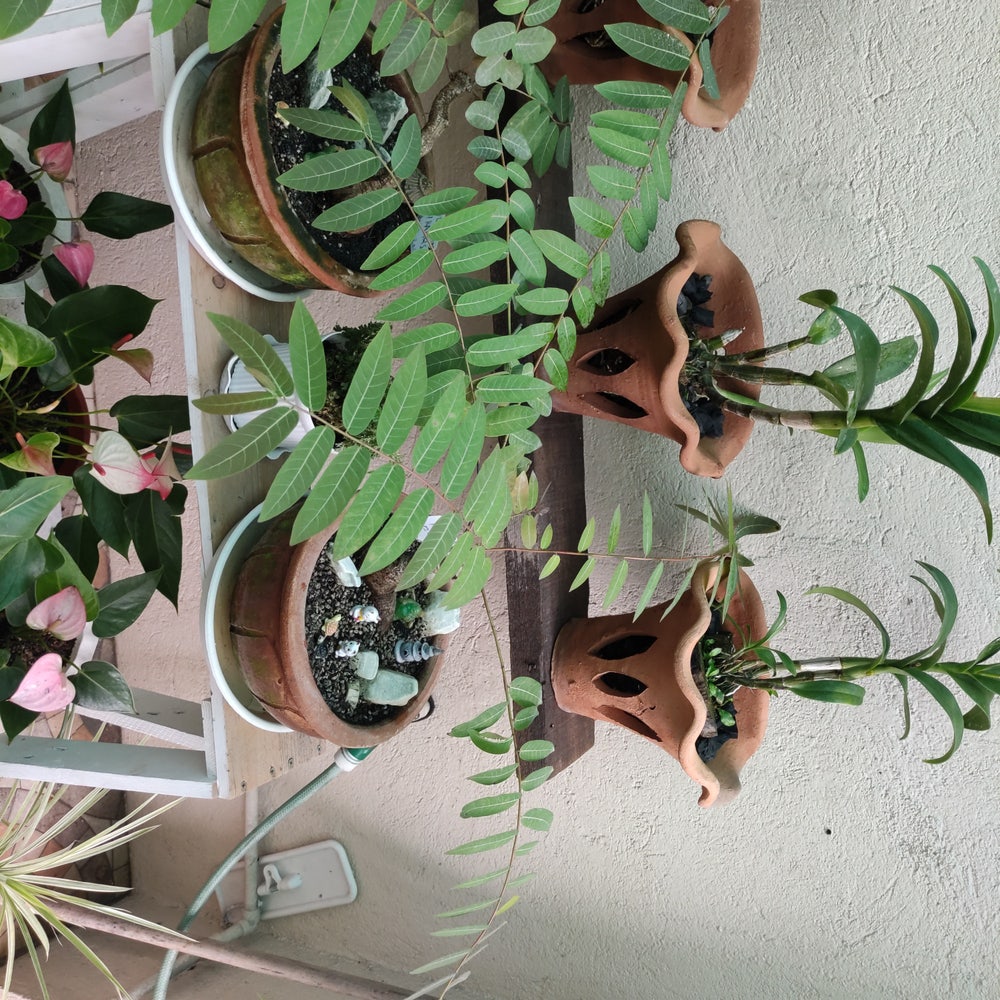
⭐ 3 Factors for Optimal Star Gooseberry Growth
Phyllanthus acidus
By the Greg Editorial Team
Nov 26, 2024•6 min read
This article was created with the help of AI so we can cover more plants for you. May contain errors. See one? Report it here.
Cultivate thriving star gooseberries 🌱 with essential tips on location, care, and overcoming common challenges!
- 🌞 Star gooseberries thrive in warm climates between 20°C to 35°C (68°F to 95°F).
- 🌱 Full sun exposure of 6-8 hours daily is vital for optimal fruit production.
- 🌿 Well-draining soil with pH 5.5-7.0 prevents root rot and promotes healthy growth.
Choosing the Right Location
🌡️ Climate Considerations
Star gooseberries flourish in warm climates, ideally within a temperature range of 20°C to 35°C (68°F to 95°F). If you live in a cooler area, it's crucial to select frost-free locations or provide protection to ensure your plants thrive.
☀️ Sunlight Requirements
These plants require full sun exposure, needing a minimum of 6-8 hours of direct sunlight daily to produce abundant fruit. Be mindful that partial shade can negatively impact their growth and fruit yield, so choose your planting spot wisely.
📏 Space Requirements
When planting outdoors, maintain a distance of 10-15 feet between each star gooseberry plant. This spacing allows for adequate air circulation and growth, which is essential for healthy plants.
For container-grown plants, consider their placement carefully to ensure they receive enough sunlight while being protected from harsh winds. Proper positioning can make a significant difference in their overall health and productivity.
With the right location secured, you're well on your way to fostering optimal growth for your star gooseberries. Next, let’s dive into the essential steps for soil preparation and planting to set a solid foundation for your plants.
Soil Preparation and Planting
🌱 Soil Types Suitable
For optimal star gooseberry growth, well-draining soil is crucial. This prevents root rot, which can be detrimental to the plant's health.
The ideal soil pH should range from 5.5 to 7.0. This pH level ensures that the plant can effectively absorb nutrients from the soil.
🛠️ Steps for Preparing Soil
- Testing soil pH and nutrient levels: Start by using a soil test kit to assess the current conditions.
- Amending soil: Incorporate organic matter, such as compost or well-rotted manure, to enhance soil fertility.
- Tilling the soil: Loosen the soil to a depth of at least 12 inches to promote healthy root development.
🌳 Planting Techniques
When planting, ensure you dig a hole that is twice the width of the root ball. This allows the roots to spread out comfortably.
It's important to plant at the same depth as the nursery container. After planting, water the area thoroughly, ensuring the soil is moist but not waterlogged.
By following these steps, you set the stage for healthy star gooseberry plants that can thrive in their environment. Next, we will explore the essential aspects of watering and fertilizing to keep your plants flourishing.
Watering and Fertilizing
💧 Watering Schedule and Techniques
Watering your star gooseberry is crucial for its growth. Aim to water deeply once a week, but be ready to adjust based on rainfall and temperature.
Using techniques like drip irrigation or soaker hoses can help maintain consistent moisture levels. This method ensures that the roots receive the water they need without the risk of over-saturation.
🌱 Types of Fertilizers and Their Application
For optimal growth, a balanced NPK fertilizer is essential. Ratios like 10-10-10 are recommended to provide the necessary nutrients.
Apply fertilizer every 6-8 weeks during the growing season to keep your plants thriving. This regular feeding schedule supports healthy development and fruit production.
🚿 Signs of Overwatering or Underwatering
Recognizing the signs of overwatering is vital. Look for yellowing leaves, wilting, and root rot as indicators that your plant may be getting too much water.
On the flip side, underwatering can lead to drooping leaves, dry soil, and stunted growth. Monitoring your plant's condition will help you strike the right balance.
As you refine your watering and fertilizing practices, you'll set the stage for a flourishing star gooseberry plant. Next, let’s explore the importance of pruning and maintenance to keep your plant healthy and productive.
Pruning and Maintenance
When and How to Prune 🌱
Pruning is essential for healthy star gooseberry growth. The best time to prune is in late winter or early spring, just before new growth begins.
To prune effectively, focus on removing dead or diseased branches. Thinning out crowded areas also promotes better air circulation and light penetration.
Ongoing Care Routine 🧹
Regular inspections of your plants are crucial. Check for pests and diseases to catch any issues early.
Mulching is another vital practice. Applying organic mulch helps retain moisture and suppress weeds, creating a healthier environment for your plants.
Importance of Pest and Disease Management 🐛
Identifying common pests is key to maintaining plant health. Look out for aphids, fruit flies, and scale insects, which can wreak havoc on your star gooseberries.
Disease prevention is equally important. Keeping your plants healthy through proper care will help ward off issues like root rot and powdery mildew.
By staying proactive with pruning and maintenance, you can ensure your star gooseberries thrive and produce abundant fruit. Next, let’s explore container growing techniques for those who may not have ample garden space.
Container Growing Techniques
Best Practices for Growing in Containers 🌱
When growing star gooseberries in containers, selecting the right pot is crucial. Opt for containers with drainage holes and a minimum size of 5 gallons to ensure healthy root development.
A well-draining potting mix enriched with organic matter is essential. This combination promotes aeration and prevents waterlogging, which can lead to root rot.
Choosing the Right Container Size and Type 🪴
Container size matters significantly for plant health. Larger containers not only support better root growth but also help retain moisture, reducing the frequency of watering.
Consider the material of your containers as well. Plastic, clay, and ceramic each have their pros and cons, such as weight, insulation, and aesthetics, which can influence your choice.
Adjusting Care for Container-Grown Plants 💧
Container-grown plants require a different care routine compared to those in the ground. Expect to water more frequently, as the soil in containers dries out faster.
Fertilizing needs also vary based on container size and the growth stage of your plants. Regularly adjust your fertilization schedule to ensure your star gooseberries receive the nutrients they need for optimal growth.
With these container growing techniques, you can successfully cultivate star gooseberries, even in limited spaces. Next, let’s explore common challenges and solutions to ensure your plants thrive.
Common Challenges and Solutions
🐛 Identifying Common Pests and Diseases
Growing star gooseberries can be rewarding, but they come with their share of challenges. Common pests like aphids, fruit flies, and scale insects can wreak havoc on your plants if not managed promptly.
In addition to pests, diseases such as root rot and powdery mildew can threaten your crop. Recognizing these issues early is crucial for maintaining healthy plants.
🌱 Solutions for Nutrient Deficiencies
Nutrient deficiencies can manifest in various ways. Yellowing leaves and poor fruit development are telltale signs that your plants might not be getting the nutrients they need.
To address these deficiencies, start by adjusting the soil pH and applying appropriate fertilizers. This will help restore balance and promote robust growth.
🌦️ Tips for Overcoming Environmental Challenges
Environmental factors can also pose significant challenges. For instance, dealing with frost is essential; using frost cloths or moving containers indoors during cold snaps can protect your plants.
Humidity levels are another critical aspect to manage. Ensuring adequate humidity is vital for healthy growth, especially in drier climates.
By being proactive and attentive to these common challenges, you can cultivate thriving star gooseberries. With the right care and knowledge, your plants will flourish, leading to a bountiful harvest.
⚠️ Safety First
This content is for general information and may contain errors, omissions, or outdated details. It is not medical, veterinary advice, or an endorsement of therapeutic claims.
Always consult a qualified healthcare professional before using any plant as food, medicine, or supplement.
Never eat any plant (or feed one to pets) without confirming its identity with at least two trusted sources.
If you suspect poisoning, call Poison Control (800) 222-1222, the Pet Poison Helpline (800) 213-6680, or your local emergency service immediately.
Spotted an error? Please report it here.
Grow bountiful star gooseberries 🌟 by using Greg's tailored reminders and soil testing tools to create the perfect environment for your plants!