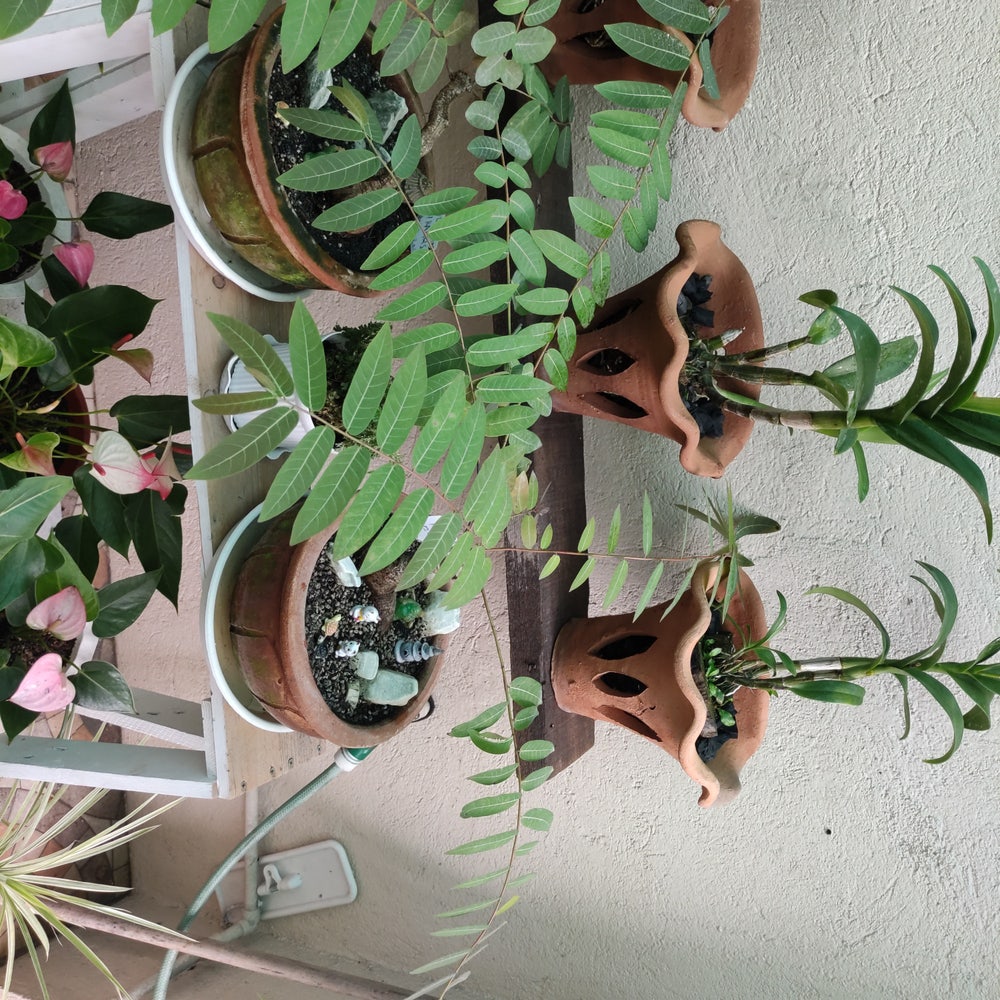
⭐ How to Grow Star Gooseberry Outdoors
Phyllanthus acidus
By the Greg Editorial Team
Nov 26, 2024•7 min read
This article was created with the help of AI so we can cover more plants for you. May contain errors. See one? Report it here.
Cultivate thriving star gooseberries 🌱 with essential tips on sunlight, watering, and seasonal care for a bountiful harvest!
- 🌞 Star gooseberries need 6-8 hours of sunlight for optimal growth and fruiting.
- 💧 Keep soil consistently moist to prevent root rot and support healthy plants.
- 🌱 Fertilize every 4-6 weeks with balanced nutrients for vibrant growth and fruit.
Sunlight Requirements
Ideal Exposure 🌞
Star gooseberries thrive in full sun, needing at least 6-8 hours of direct sunlight daily. This exposure is crucial as it significantly enhances fruit production and promotes overall plant health.
Adjusting for Partial Shade 🌤️
While star gooseberries can tolerate partial shade, this may lead to a reduced fruit yield. For optimal growth, consider planting them near taller plants or structures that provide some afternoon shade, allowing them to benefit from the best of both worlds.
By ensuring your star gooseberries receive the right amount of sunlight, you set the stage for a bountiful harvest. Next, let’s explore their watering needs to keep your plants thriving.
Watering Needs
General Guidelines 🌧️
To grow healthy star gooseberries, maintaining consistent moisture is key. Aim to keep the soil evenly moist, but avoid waterlogging, which can harm the roots.
During dry spells, water your plants every 2-3 days to ensure they receive enough hydration. Conversely, in rainy seasons, reduce the frequency of watering to prevent root rot.
Signs of Under or Overwatering 🚰
Recognizing the signs of improper watering is crucial for your plant's health. Underwatering often manifests as wilting leaves and dry soil, indicating your gooseberry needs more water.
On the flip side, overwatering can lead to yellowing leaves and symptoms of root rot. Keep an eye on your plants to ensure they thrive without drowning or drying out.
With a solid understanding of watering needs, you can set your star gooseberries up for success. Next, let’s explore the ideal soil preferences and fertilization practices to further enhance their growth.
Soil Preferences and Fertilization
Ideal Soil Composition 🌱
Star gooseberries thrive in well-draining soil, which is crucial for healthy root development. Aim for a soil pH that is slightly acidic to neutral, ideally between 6.0 and 7.0, to promote optimal growth.
Fertilization Practices 🌿
To keep your star gooseberries flourishing, fertilize every 4-6 weeks during the growing season. A balanced NPK fertilizer, like 10-10-10, works well for general growth, but don't overlook organic options such as fish emulsion or seaweed extract for a nutrient boost.
Signs of Nutrient Deficiency ⚠️
Watch for yellowing leaves, which can indicate a nitrogen deficiency. If you notice poor fruit development, it may suggest a lack of potassium or phosphorus, signaling the need for a nutrient check.
Understanding soil preferences and fertilization practices is essential for nurturing your star gooseberries. With the right care, you’ll set the stage for a bountiful harvest.
Next, let’s explore the various planting options to maximize your gardening success.
Planting Options
Container Gardening 🌱
Container gardening offers a fantastic way to grow star gooseberries, especially if you're short on space.
Benefits
- Mobility: You can easily move containers to capture the best sunlight or shield them from harsh weather.
- Space-saving: Perfect for small gardens or patios, allowing you to maximize your growing area.
Drawbacks
- Limited root space: Containers can restrict root growth, which may impact overall plant health and fruit production.
- Increased watering frequency: Since containers dry out faster, you'll need to water more often, especially during hot spells.
Ground Planting 🌍
Ground planting is another viable option for cultivating star gooseberries, offering distinct advantages.
Benefits
- More space for root development: This method supports larger plants and can lead to a better fruit yield due to enhanced root growth.
- Natural moisture retention: Ground soil retains moisture better, reducing the need for frequent watering.
Drawbacks
- Less mobility: Once planted, moving ground-grown plants can be challenging if conditions change.
- Potential for soil-borne diseases: Ground planting requires careful soil management to prevent issues like root rot.
Choosing the Right Option 🤔
When deciding between container and ground planting, consider your specific circumstances.
- Assessing available space: Think about the size of your containers versus the dimensions of your garden beds.
- Evaluating climate conditions: Choose your planting method based on local weather patterns and the risk of frost.
By weighing these factors, you can make an informed decision that best suits your gardening goals. Transitioning to the next topic, let's explore how to protect your star gooseberries from weather extremes and pesky pests.
Protection from Weather and Pests
🌧️ Strategies for Weather Protection
Protecting your star gooseberry from the elements is crucial for its health. During cold snaps, use frost cloths or blankets to shield your plants from frost damage.
In extreme heat, shade cloth can be a lifesaver. It helps prevent leaf scorch by providing necessary shade, ensuring your plants stay healthy and productive.
🐛 Common Outdoor Pests
Pests can pose a significant threat to your star gooseberry plants. Aphids are a common nuisance; look for curled leaves and sticky residue as telltale signs of their presence.
Fruit flies can also wreak havoc, causing damage to fruits and leading to premature drop. Keeping an eye out for these pests is essential for maintaining your plant's health.
🧼 Pest Control Methods
When it comes to pest control, consider starting with organic options. Neem oil and insecticidal soap are effective and safer for the environment, as is introducing beneficial insects that prey on pests.
If the infestation becomes severe, chemical options may be necessary, but use them as a last resort. Always follow label instructions carefully to minimize harm to your plants and the surrounding ecosystem.
🦠 Identifying and Managing Diseases
Diseases can also threaten your star gooseberry. Common issues include root rot and powdery mildew, both of which can be detrimental if not addressed promptly.
To prevent these diseases, ensure proper watering practices and maintain good air circulation around your plants. This proactive approach will help keep your star gooseberry thriving and productive.
With the right protection against weather and pests, your star gooseberry can flourish. Next, let’s explore the seasonal care needed to keep your plants healthy throughout the year.
Seasonal Care
🌦️ Seasonal Changes and Their Impact
Understanding the seasonal growth patterns of star gooseberry is crucial for successful cultivation. During warm months, the plant experiences active growth, while it enters a state of dormancy in cooler months.
💡 Care Tips
Spring
As temperatures rise, it's time to kickstart your star gooseberry's growth. Begin fertilizing as new growth appears and prune any dead or damaged branches to encourage healthy development.
Summer
In the heat of summer, your star gooseberry will need extra attention. Increase watering during hot, dry spells and keep a close eye out for pests and diseases that may threaten your plant's health.
Fall
As the season shifts, it's time to enjoy the fruits of your labor. Harvest fruits as they ripen and apply mulch around the base to protect roots from temperature fluctuations.
Winter
When winter arrives, your star gooseberry needs some extra care. Cover the plants during cold nights and consider bringing container plants indoors if temperatures drop significantly to ensure their survival.
With these seasonal care tips, you can nurture your star gooseberry through the year, setting the stage for a bountiful harvest. Next, let’s explore how climate zone considerations can further enhance your growing experience.
Climate Zone Considerations
Best Climate Zones 🌞
Star gooseberries flourish in USDA zones 10-11, where temperatures remain warm and frost is rare. If you live in these zones, you're in a prime spot for growing this delightful fruit.
Adjusting Care 💧
In warmer climates, you won't need to worry much about frost protection. Instead, focus on maintaining consistent watering to keep your plants healthy and thriving.
In cooler climates, however, you'll need to take extra precautions. Implement protective measures like frost cloths and consider container planting to easily move your plants indoors during cold snaps.
Special Considerations 🌧️
Heavy rains can pose a risk to your star gooseberries, so ensure proper drainage to prevent root rot. Additionally, if you live in a windy area, providing windbreaks or shelter can help protect your plants from damage.
With the right care tailored to your climate zone, your star gooseberries can flourish and reward you with a bountiful harvest. Next, let's explore the seasonal care needed to keep your plants healthy throughout the year.
⚠️ Safety First
This content is for general information and may contain errors, omissions, or outdated details. It is not medical, veterinary advice, or an endorsement of therapeutic claims.
Always consult a qualified healthcare professional before using any plant as food, medicine, or supplement.
Never eat any plant (or feed one to pets) without confirming its identity with at least two trusted sources.
If you suspect poisoning, call Poison Control (800) 222-1222, the Pet Poison Helpline (800) 213-6680, or your local emergency service immediately.
Spotted an error? Please report it here.
Grow bountiful star gooseberries 🌟 with Greg's personalized watering and fertilization reminders, ensuring your plants get the care they need for a fruitful harvest!