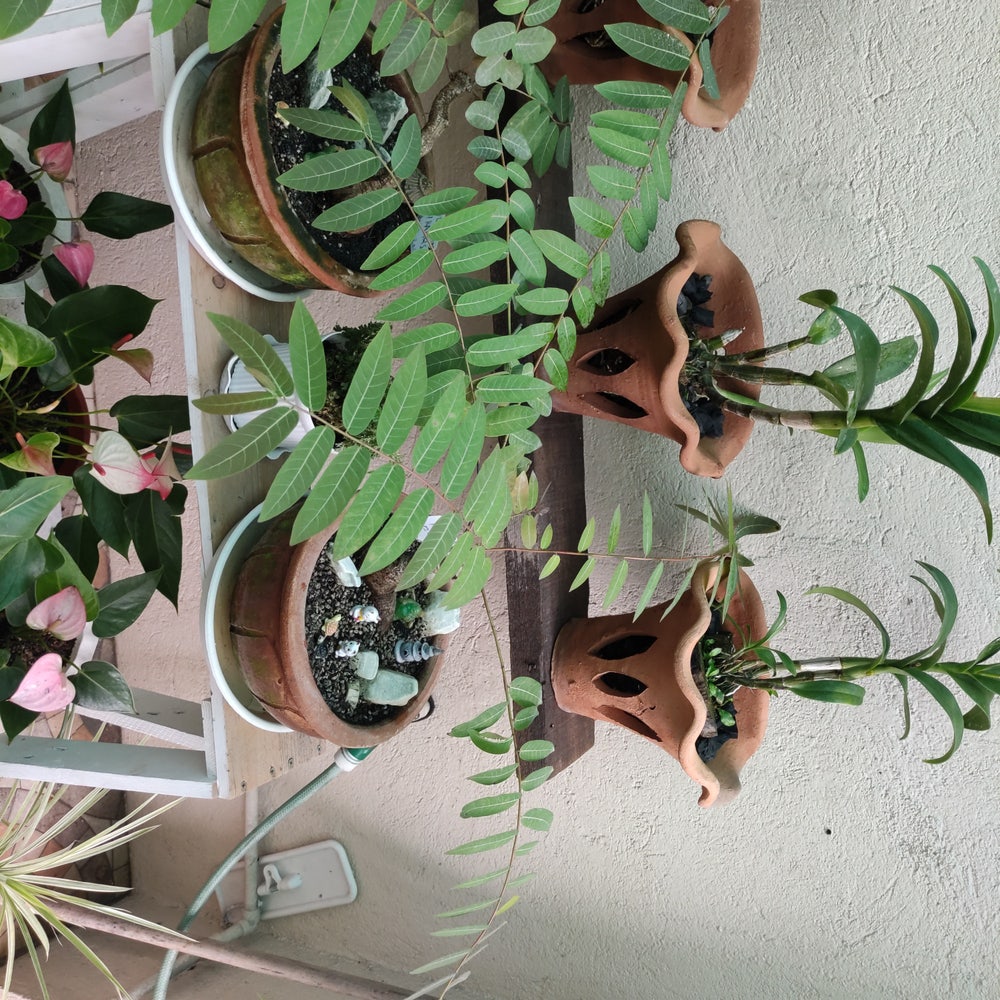
⭐ Star Gooseberry Hardiness Zones: 10a-11b
Phyllanthus acidus
By the Greg Editorial Team
Nov 26, 2024•5 min read
This article was created with the help of AI so we can cover more plants for you. May contain errors. See one? Report it here.
Master temperature tolerance 🌡️ to grow thriving star gooseberries in your garden, no matter the climate!
- 🌡️ Star gooseberries thrive in USDA zones 10a-11b, ideal for warm climates.
- ❄️ Frost sensitivity means protecting plants from temperatures below 30°F (-1°C) is crucial.
- 🌞 Full sun exposure (6-8 hours) is essential for optimal growth and fruit quality.
Temperature Tolerance
❄️ Cold Tolerance
Star gooseberries can withstand temperatures as low as 30°F (-1°C), making them relatively hardy in cooler conditions. However, they are sensitive to frost, which can damage both growth and fruit production, leading to reduced yields.
Understanding the first and last frost dates is crucial for successful planting. This knowledge helps gardeners time their planting to avoid frost damage, ensuring a healthier crop.
☀️ Heat Tolerance
In contrast, star gooseberries thrive in the warm climates typical of USDA zones 10a-11b. While they enjoy the heat, excessive temperatures can stress the plants and negatively impact fruit quality.
During heat waves, it's essential to maintain adequate watering and ensure proper soil conditions. This helps mitigate stress and supports healthy growth.
🌡️ Ideal Temperature Ranges
The optimal temperature range for star gooseberry growth is between 70°F to 90°F (21°C to 32°C). Staying within this range promotes robust flowering and fruit set.
Temperature fluctuations outside this ideal range can disrupt these processes, leading to poor fruit development. Therefore, maintaining stable conditions is key to successful cultivation.
With a solid understanding of temperature tolerance, you're better equipped to grow star gooseberries successfully. Next, let's explore the ideal growing regions for these delightful fruits.
Ideal Growing Regions
US States in Zones 10a-11b 🌴
Star gooseberries thrive in the warm climates of specific U.S. states, particularly Florida, California, Hawaii, Texas, and parts of Arizona. These regions boast a subtropical to tropical climate, providing the ideal conditions for robust growth and fruit production.
The warm temperatures and ample sunlight in these states create a perfect environment for star gooseberries to flourish. With mild winters and long growing seasons, these areas support the plant's needs for warmth and consistent moisture.
Factors for Ideal Conditions 🌱
To cultivate star gooseberries successfully, certain environmental factors must be considered. First, the soil type plays a crucial role; well-drained, fertile soils are preferred to prevent root rot and promote healthy growth.
Sunlight is another vital factor. Star gooseberries require full sun exposure, ideally 6 to 8 hours daily, to maximize their growth potential. This exposure not only enhances photosynthesis but also improves fruit quality.
Lastly, rainfall patterns are essential for maintaining consistent moisture levels. While star gooseberries need regular watering, it's important to avoid waterlogging, which can hinder their development. Balancing these factors will ensure a thriving star gooseberry plant in the ideal growing regions.
Understanding these conditions can help you create the perfect environment for your star gooseberries, setting the stage for a fruitful harvest. Next, let’s explore the concept of microclimates and how they can further influence your growing success.
Microclimates
🌦️ Definition and Impact
Microclimates are small areas where the climate conditions differ significantly from the surrounding region. These variations can be influenced by factors such as proximity to water bodies, changes in elevation, and urban heat islands.
🌍 Factors That Create Microclimates
- Proximity to Water: Areas near lakes or rivers often experience milder temperatures and higher humidity.
- Elevation Changes: Higher elevations can lead to cooler temperatures, while valleys may trap heat.
- Urban Heat Islands: Cities tend to be warmer due to buildings and asphalt, creating localized warmer zones.
🌱 Extending Growing Range
Microclimates can be a gardener's secret weapon, allowing for successful cultivation outside typical hardiness zones. By understanding these unique conditions, you can grow plants that might otherwise struggle in your area.
🏡 Benefits of Planting in Sheltered Areas
- Sheltered Spots: Planting near walls or fences can provide protection from wind and frost.
- Heat-Retaining Structures: Buildings can absorb heat during the day and release it at night, creating a warmer environment for sensitive plants.
Understanding microclimates not only enhances your gardening success but also opens up new possibilities for growing a wider variety of plants. Next, we’ll explore the state-level suitability for growing star gooseberries, focusing on which regions are best suited for their cultivation.
State-Level Suitability Analysis
🌟 Suitable States
Star gooseberries thrive in specific regions that fall within USDA hardiness zones 10a to 11b. The prime states for cultivating these vibrant fruits include:
- Florida
- California
- Hawaii
- Texas
- Arizona
These states boast warm climates and favorable conditions that support the growth of star gooseberries. The consistent warmth and ample sunlight in these regions create an ideal environment for these plants to flourish.
❌ Unsuitable States
Conversely, certain states fall outside the optimal growing conditions for star gooseberries. These include:
- New York
- Michigan
- Minnesota
The harsh winters and frequent frost in these areas hinder the viability of star gooseberries. The inadequate temperature ranges simply do not support their growth, making these states unsuitable for cultivation.
📊 Suitability Factors
Understanding the factors that contribute to the suitability of growing star gooseberries is crucial. Cold tolerance and frost sensitivity play significant roles in determining plant viability.
Additionally, knowing local climate patterns, including the first and last frost dates, is essential for successful cultivation. This knowledge helps gardeners plan their planting schedules and protect their crops from unexpected weather changes.
By focusing on these factors, you can maximize your chances of successfully growing star gooseberries in your garden. As we explore the next section, we'll delve into the microclimates that can further influence growing conditions.
⚠️ Safety First
This content is for general information and may contain errors, omissions, or outdated details. It is not medical, veterinary advice, or an endorsement of therapeutic claims.
Always consult a qualified healthcare professional before using any plant as food, medicine, or supplement.
Never eat any plant (or feed one to pets) without confirming its identity with at least two trusted sources.
If you suspect poisoning, call Poison Control (800) 222-1222, the Pet Poison Helpline (800) 213-6680, or your local emergency service immediately.
Spotted an error? Please report it here.
Grow delicious star gooseberries 🌟 with Greg's tailored watering plans and reminders to keep them thriving in their perfect climate!