🌵 Introduction to Robust Spine Cory Cactus
Coryphantha robustispina
By the Greg Editorial Team
Feb 02, 2025•12 min read
This article was created with the help of AI so we can cover more plants for you. May contain errors. See one? Report it here.
- 🌞 Robust Spine Cory Cactus needs 6-8 hours of sunlight for optimal growth.
- 🌱 Use well-draining soil with a pH of 6.0 to 7.0 for healthy roots.
- 💧 Water only when soil is dry to prevent root rot and ensure thriving.
How to Grow
Choosing a Location 🌞
To thrive, the Robust Spine Cory Cactus needs full sun exposure, ideally basking in 6-8 hours of sunlight daily. When deciding between outdoor and indoor placement, consider the available light and temperature conditions to ensure optimal growth.
Soil Preparation 🏜️
For soil, a well-draining cactus mix or sandy soil is essential. Aim for a pH level that is slightly acidic to neutral, ideally between 6.0 and 7.0, to promote healthy root development.
Planting Techniques 🌱
When planting, ensure the top of the root ball is level with the soil surface. For outdoor planting, space your cacti 12-18 inches apart to allow for their growth and airflow.
Watering Requirements 🚰
Watering is straightforward: allow the soil to dry out completely between waterings. Watch for signs of overwatering, like yellowing, or underwatering, which can cause shriveling.
Fertilizing Schedule 🍽️
Use a low-nitrogen cactus fertilizer to nourish your plant. Fertilize every 4-6 weeks during the growing season for the best results.
Pruning Methods ✂️
Prune your cactus after flowering or during its dormancy period. Focus on removing any dead or damaged spines and stems to keep your plant healthy and looking its best.
Ongoing Care 🛡️
For container care, always ensure your pots have drainage holes to prevent waterlogging. If your cactus is outdoors, protect it from frost and extreme weather conditions to ensure its longevity.
With these guidelines, your Robust Spine Cory Cactus will flourish, bringing unique beauty to your space. Next, let’s explore how to propagate this resilient plant for even more greenery!
Propagation
🌱 Methods of Propagation
Propagation of the Robust Spine Cory Cactus can be achieved through two primary methods: seeds and cuttings. Each method has its own steps and requirements, making it accessible for both novice and experienced gardeners.
Seed Propagation
Prepare a Well-Draining Seed Starting Mix: Use a cactus-specific mix or create your own with sand and perlite for optimal drainage.
Sow Seeds on the Surface: Place seeds on top of the mix and lightly cover them with a thin layer of soil. This ensures they receive adequate light for germination.
Water Gently and Maintain Humidity: Mist the soil lightly and cover it with a plastic dome or plastic wrap to retain moisture. Keep the environment humid until the seeds germinate, which typically takes 2-3 weeks.
Cutting Propagation
Select Healthy, Mature Stems: Choose stems that are 4-6 inches long. Healthy cuttings are crucial for successful rooting.
Allow Cut Ends to Callous: Place the cuttings in a dry area for 1-2 days. This step helps prevent rot when planted.
Plant in Well-Draining Soil: After callousing, insert the cut ends into a cactus mix. Water sparingly until roots develop, which may take a few weeks.
🌵 Conclusion
Both seed and cutting propagation methods are effective for growing new Robust Spine Cory Cacti. By following these steps, you can expand your collection or share this resilient plant with friends. Next, let’s explore the lifecycle of this fascinating cactus and how it develops over time.
Lifecycle
🌱 Lifecycle Stages
The lifecycle of the Robust Spine Cory Cactus begins with germination, which takes about 2-3 weeks under optimal conditions. Following this, the seedling stage sees the development of the first true leaves, marking the plant's transition into its growth phases.
During the vegetative growth phase, the cactus experiences rapid growth, typically lasting several months. This is followed by flowering, which occurs in late spring to early summer, showcasing the plant's vibrant blooms.
After flowering, the cactus enters the seed production stage, where seeds develop within the fruit. This cycle not only ensures the continuation of the species but also adds to the beauty of the plant.
📏 Lifespan and Growth Rate
The average lifespan of a Robust Spine Cory Cactus ranges from 10 to 30 years, depending on the care it receives. Its growth rate is moderate, with the plant typically reaching maturity in about 3 to 5 years.
⏳ Time to Maturity
Under ideal conditions, the cactus is fully grown in approximately 3 to 5 years. Factors such as light, water, and soil quality significantly influence its growth speed, making proper care essential for optimal development.
Understanding the lifecycle of the Robust Spine Cory Cactus not only enhances your gardening experience but also deepens your appreciation for this resilient plant. As we move forward, let’s explore how to maximize its growth potential through effective care techniques.
Size
Mature Height and Spread 🌵
The Robust Spine Cory Cactus typically reaches a mature height of 2 to 4 feet tall. Its spread can range from 1 to 2 feet wide, making it a striking addition to any garden or indoor space.
Growth Rate and Size Variability 📈
This cactus has a moderate growth rate, which can vary significantly depending on environmental conditions. Factors such as light, temperature, and care practices can lead to noticeable differences in size among various cultivars.
Impact of Growing Conditions on Size 🌍
Several key factors influence the size of your Robust Spine Cory Cactus. Soil quality, water availability, and sunlight exposure all play crucial roles in determining how robust and healthy your cactus will grow.
Understanding these elements can help you create the ideal environment for your cactus, ensuring it thrives and reaches its full potential. With the right care, you can enjoy a stunning specimen that showcases its unique characteristics beautifully.
As we move forward, let’s explore the fascinating lifecycle of this resilient plant.
Roots
Characteristics of the Root System 🌱
The Robust Spine Cory Cactus features a fibrous root system that is essential for its survival. Typically, these roots extend 12-18 inches deep and can spread laterally beyond the plant's width, allowing for efficient water and nutrient absorption.
Common Root-Related Issues 🚫
One of the most common problems faced by this cactus is root rot, which occurs due to overwatering. Symptoms include mushy roots that can be easily identified; healthy roots, on the other hand, are firm and white, while unhealthy roots appear brown and mushy.
Recognizing and Addressing Rootbound Conditions 🔄
If you notice roots growing out of drainage holes or circling the pot, your cactus may be rootbound. The solution is simple: repot the cactus into a larger container with fresh soil to give it room to grow and thrive.
This understanding of the root system is crucial for maintaining a healthy Robust Spine Cory Cactus. Next, let’s explore the benefits of this unique plant and why it deserves a spot in your garden.
Benefits
Top 5 Benefits 🌟
1. Drought Tolerance
Robust Spine Cory Cactus thrives on minimal water, making it a champion for xeriscaping. This resilience not only conserves water but also reduces the need for constant maintenance.
2. Low Maintenance
For busy gardeners or beginners, this cactus is a dream come true. Its low upkeep requirements mean you can enjoy its beauty without dedicating hours to care.
3. Unique Aesthetic
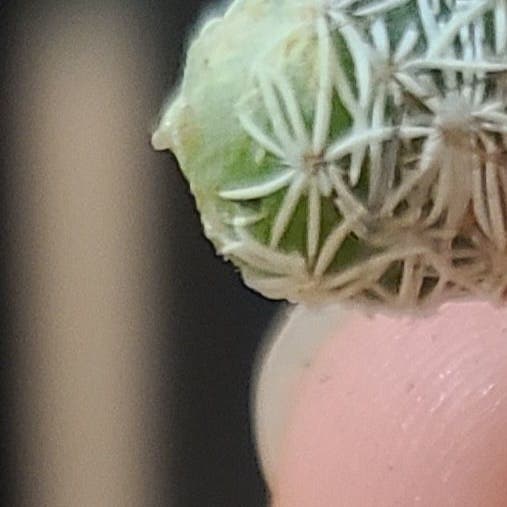
With its striking spines and distinctive structure, this cactus adds a unique flair to any garden or indoor space. It stands out, offering a visual interest that few other plants can match.
4. Air Purification
Beyond its aesthetic appeal, the Robust Spine Cory Cactus contributes to improved indoor air quality. It helps filter out toxins, making your living space healthier.
5. Cultural Significance
Historically, this cactus has been valued in indigenous cultures for its resilience and medicinal properties. Growing it connects you to a rich heritage and showcases its enduring importance.
These benefits make the Robust Spine Cory Cactus not just a plant, but a valuable addition to your home or garden. As you consider adding this cactus to your collection, think about how it can enhance your space and lifestyle.
Companion Plants
🌱 Concept of Companion Planting
Companion planting is a gardening technique that enhances biodiversity and promotes plant health. By strategically placing plants together, you can improve pest management and create a thriving ecosystem.
🌼 Best Companion Plants
When it comes to the Robust Spine Cory Cactus, certain companions thrive alongside it:
- Succulents: These plants share similar care needs, making them perfect partners for your cactus.
- Desert Marigold: This vibrant flower not only attracts beneficial insects but also adds a splash of color to your garden.
🚫 Plants to Avoid
While some plants complement your cactus beautifully, others can hinder its growth. Avoid heavy feeders like tomatoes and peppers, as they require more water and nutrients than your cactus can provide.
By choosing the right companions, you can create a harmonious garden that supports the health and beauty of your Robust Spine Cory Cactus. Next, let’s explore the fascinating world of toxicity and safety regarding this unique plant.
Toxicity to Humans
Safety for Humans 🌵
The Robust Spine Cory Cactus is generally safe for humans. Major poison control centers and health organizations do not list it as toxic.
Potential Minor Issues ⚠️
While it's not harmful, caution is still advised. Mild skin irritation can occur from contact with the spines, and consuming large quantities may lead to minor digestive discomfort.
If you experience any unusual symptoms, it's best to seek medical advice. Enjoy your cactus with peace of mind, knowing it's a low-risk addition to your plant collection!
Toxicity to Dogs
Safety for Dogs 🐶
The Robust Spine Cory Cactus is generally safe for dogs. Major pet poison control centers and veterinary organizations do not list it as toxic.
Potential Minor Issues ⚠️
While the cactus poses minimal risk, consuming large quantities may lead to mild gastrointestinal upset. It's always wise to keep an eye on your furry friends.
Tips for Introducing to Homes with Dogs 🏡
To ensure a harmonious home, place the cactus out of reach of curious pets. Additionally, monitor your dog's behavior around the plant to catch any unusual interest early on.
With these simple precautions, you can enjoy your cactus without worry. Now, let's explore how to keep your Robust Spine Cory Cactus thriving in your home!
Toxicity to Cats
Safety for Cats 🐱
The Robust Spine Cory Cactus is not considered toxic to cats by major pet poison control centers and veterinary organizations. This means you can enjoy its beauty without worrying about your feline friends.
Potential Minor Issues 🤢
While generally safe, consuming large quantities of the cactus may lead to mild gastrointestinal upset in cats. It's always a good idea to monitor your pet's behavior around new plants.
Tips for Introducing to Homes with Cats 🏠
To keep your cactus safe, ensure it’s placed out of reach of curious cats. Additionally, keep an eye on your cat's behavior to catch any signs of interest or nibbling before it becomes a problem.
With these precautions, you can enjoy the unique aesthetic of the Robust Spine Cory Cactus while keeping your furry companions safe. Next, let’s explore common problems that may arise when caring for this resilient plant.
Problems
Common Problems 🌵
1. Incorrect Watering
Watering is a critical aspect of caring for your Robust Spine Cory Cactus. Overwatered plants often show yellowing leaves, while underwatered ones may appear shriveled.
To resolve these issues, adjust your watering frequency based on the moisture level of the soil. Always ensure the soil dries out completely between waterings.
2. Incorrect Light Conditions
Light conditions can significantly impact your cactus's health. Etiolated growth indicates insufficient light, while sunburned spines suggest too much direct sunlight.
If you notice these symptoms, consider moving your cactus to a brighter or shadier location as needed. Finding the right balance is key to a thriving plant.
3. Incorrect Temperature
Temperature fluctuations can lead to stunted growth or leaf drop. Ideally, maintain temperatures between 70°F and 100°F (21°C to 38°C) for optimal growth.
Monitoring your cactus's environment will help you keep it healthy and vibrant. A stable temperature is essential for its well-being.
4. Diseases
Fungal diseases like powdery mildew can affect your cactus, presenting as white powdery spots on the plant. Improving air circulation around your cactus can help prevent these issues.
If you encounter fungal problems, applying fungicides may be necessary. Regular checks can help you catch these issues early.
5. Root Problems
Root rot is a common issue caused by overwatering, leading to mushy roots. To address this, allow the soil to dry out thoroughly and consider repotting if necessary.
Healthy roots are crucial for your cactus's overall health. Keeping an eye on the root system can prevent more significant problems down the line.
By being aware of these common problems and their solutions, you can ensure your Robust Spine Cory Cactus thrives in your care. Next, let's explore the potential pest issues that can affect your cactus.
Bugs
🐞 Potential Pest Issues
While the Robust Spine Cory Cactus is known for its resilience, it can still fall prey to certain pests. Regular monitoring is key to keeping your cactus healthy and thriving.
🔍 Identification and Treatment of Specific Pests
Spider Mites
- Identification: Look for fine webbing on the plant, often found on the undersides of spines.
- Treatment: Increase humidity around the plant and apply miticides to eliminate these pests.
Scale Insects
- Identification: Small, brown, shell-like bumps appear on stems, often mistaken for part of the cactus.
- Treatment: Remove them by hand or use insecticidal soap for effective control.
Mealybugs
- Identification: These pests manifest as white, cottony masses on stems and leaves.
- Treatment: Use alcohol swabs or insecticidal soap to wipe them away.
Aphids
- Identification: Small, green or black insects can be spotted on new growth, sucking sap from the plant.
- Treatment: Neem oil or insecticidal soap works well to manage aphid populations.
Whiteflies
- Identification: Tiny white insects that fly away when the plant is disturbed.
- Treatment: Employ yellow sticky traps and insecticidal soap to control their numbers.
By staying vigilant and addressing pest issues promptly, you can ensure your Robust Spine Cory Cactus remains healthy and vibrant. Next, let’s explore what animals might be interested in snacking on your cactus.
What Eats
Common Animals 🦌
Robust Spine Cory Cactus can attract a variety of hungry critters. Common visitors include deer, rabbits, squirrels, birds, rodents, and groundhogs.
Signs of Animal Presence and Damage 🐾
Keep an eye out for browsing marks on the cactus, which indicate that animals have taken a nibble. Other signs include droppings nearby or trampled soil around the base of the plant.
Deterrent Methods 🚫
To protect your cactus, consider using chemical methods like commercial repellents that deter these animals. Alternatively, you can opt for organic methods, such as planting deterrent species nearby or using physical barriers to keep the hungry visitors at bay.
By being proactive about potential threats, you can enjoy the beauty of your Robust Spine Cory Cactus without the worry of it becoming a snack for local wildlife.
⚠️ Safety First
This content is for general information and may contain errors, omissions, or outdated details. It is not medical, veterinary advice, or an endorsement of therapeutic claims.
Always consult a qualified healthcare professional before using any plant as food, medicine, or supplement.
Never eat any plant (or feed one to pets) without confirming its identity with at least two trusted sources.
If you suspect poisoning, call Poison Control (800) 222-1222, the Pet Poison Helpline (800) 213-6680, or your local emergency service immediately.
Spotted an error? Please report it here.
Ensure your Robust Spine Cory Cactus flourishes 🌵 with Greg's personalized care reminders and expert tips tailored to its sunny disposition and unique needs!