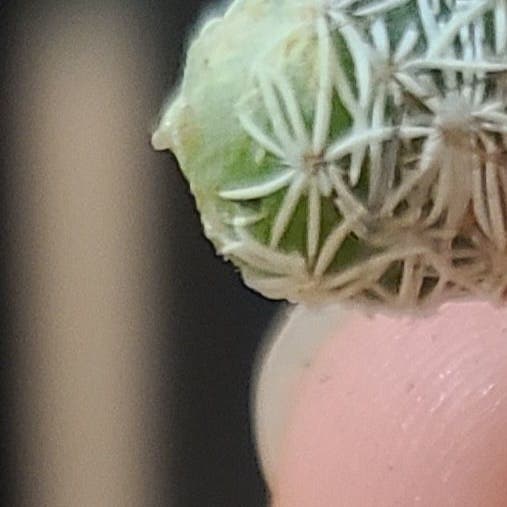
Why Are My Pima Pineapple Cactus Leaves Turning Yellow?
Coryphantha robustispina
By the Greg Editorial Team
Jun 07, 2024•5 min read
This article was created with the help of AI so we can cover more plants for you. May contain errors. See one? Report it here.
- Yellow leaves signal distress, often due to water, nutrients, or sun issues.
- 🌵 Texture changes and discoloration patterns help diagnose the specific problem.
- Pests, diseases, and environmental stress also contribute to yellowing.
Spotting the Signs: Yellow Leaves on Your Cactus
🚨 Visual Symptoms and What They Mean
Yellowing leaves on your Pima Pineapple Cactus aren't just a fashion statement; they're a distress signal. When the vibrant green fades into a sickly yellow, it's the plant equivalent of a check engine light. Texture changes in the leaves, such as becoming dry, brittle, or spongy, are additional red flags.
🔍 Patterns of Discoloration and Their Clues
Uniform yellowing often screams watering woes, either too much love or not enough. If the yellowing is more of a spotted pattern, think nutrient deficiency or sunburn. When only the new growth is affected, it's typically a sign of environmental stress or incorrect watering. On the other hand, if it's the old leaves at the bottom turning yellow, this could be part of the natural aging process—no need to panic yet.
Keep an eye out for leaves curling up as if they're trying to escape; this could indicate too much heat or not enough moisture. And remember, a cactus turning into a yellow bouquet is a clear sign that your green thumb needs to get greener.
The Watering Balancing Act
💧 Signs of Overwatering and How to Dial It Back
Overwatering can turn your Pima Pineapple Cactus into a soggy mess. Look for yellowing leaves that feel too soft or appear bloated. If the soil feels like a swamp, you've gone overboard. Reduce watering immediately and ensure your pot has drainage holes rivaling Swiss cheese. Let the top inch of soil dry out before the next watering. Think of it as your cactus's personal detox program.
🏜️ Signs of Underwatering and How to Quench the Thirst
Conversely, underwatering leaves your cactus thirstier than a tourist in the desert. Signs include crispy leaves and stunted growth. If the soil's top layer is as dry as a bone, it's time to water. But don't just drown it in one go; water deeply and slowly, so the moisture reaches the roots without overwhelming the plant. Adjust your routine with the seasons—less in winter, more in summer. Your cactus isn't just being dramatic; it's communicating its needs.
Soil and Sunlight: Getting the Mix Right
🌱 Nutrient Deficiencies: Spotting and Fixing
The quest for the perfect soil mix is like being a backstage technician for a rock concert; you've got to get everything just right for the show to go on. If your Pima Pineapple Cactus is throwing the yellow flag of distress, it's time to tune into its soil needs. Nutrient deficiencies often manifest as yellowing leaves, so let's get to work.
The Right Mix
First, conduct a soil test. This is your backstage pass to understanding what's missing in the soil's composition. Low nitrogen? Yellow leaves will be your first clue. Potassium or magnesium shortages? They're the unsung heroes that, when absent, lead to a lackluster performance. Adjust the soil mix by adding the needed nutrients, but don't go overboard—think of it as sound-checking, not cranking it to eleven.
Monthly Check-ins
Stick to monthly fertilizer applications. Over-fertilizing is like a feedback loop that drowns out the main act. And remember, during winter, your cactus is like a band on hiatus; it doesn't need the extra nutrients.
🌞 Environmental Factors: Ensuring the Right Amount of Sun and Shade
Now, let's talk about the spotlight—sunlight, that is. Your Pima Pineapple Cactus craves the sun like a groupie, but too much direct exposure and it'll end up sunburned. On the flip side, too little light and it's like playing to an empty house.
Finding the Sweet Spot
The goal is to find that Goldilocks zone of bright, indirect light. Think of it as the cactus's VIP area—not too close to the scorching sun, but still basking in its glow. If you're indoors, a south-facing window with a sheer curtain might just be the ticket. Outdoors, aim for a spot that gets shade during the peak heat of the day.
Seasonal Shifts
Be mindful of seasonal changes. As the earth tilts and turns, so too should your approach to your cactus's sun and shade needs. It's like adjusting the stage lights for an afternoon matinee versus an evening show. Keep an eye on the light conditions and be ready to shuffle your cactus to its next prime location.
Remember, the right soil and sunlight mix isn't just about avoiding the yellow leaf encore; it's about giving your Pima Pineapple Cactus a long and vibrant career.
When Pests and Diseases Strike
🐛 Identifying Common Culprits
Pests and diseases can turn your Pima Pineapple Cactus from a spiky marvel to a yellowing concern. Spider mites are tiny but mighty foes, causing yellow spots as they suck on plant juices. Mealybugs, resembling tiny cotton clumps, also feast on your cactus, leading to yellowing. Fungal diseases, like root rot, manifest through soft, yellow patches on your plant, often due to overwatering.
💉 Effective Treatment Options
Isolation is your first line of defense; separate the affected cactus to prevent the spread. For spider mites and mealybugs, a neem oil solution can be a natural and effective treatment. Apply it carefully to the affected areas. In case of fungal diseases, remove the infected parts and repot the cactus in fresh, well-draining soil. If natural remedies fail, consider eco-friendly pesticides, but use them as a last resort. Regular inspections are crucial; catching problems early can save your cactus and your sanity.
⚠️ Safety First
This content is for general information and may contain errors, omissions, or outdated details. It is not medical, veterinary advice, or an endorsement of therapeutic claims.
Always consult a qualified healthcare professional before using any plant as food, medicine, or supplement.
Never eat any plant (or feed one to pets) without confirming its identity with at least two trusted sources.
If you suspect poisoning, call Poison Control (800) 222-1222, the Pet Poison Helpline (800) 213-6680, or your local emergency service immediately.
Spotted an error? Please report it here.
Revive your Pima Pineapple Cactus from yellowing woes with Greg's diagnostic insights and tailored care reminders 🌵, ensuring your spiky friend stays healthy and vibrant.