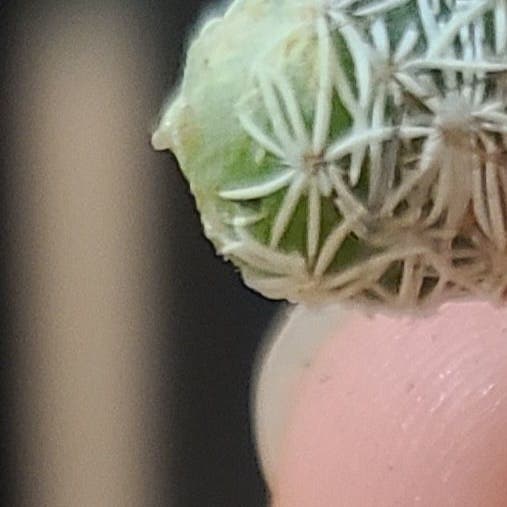
🍍 Pima Pineapple Cactus Root Rot Solutions
Coryphantha robustispina
By the Greg Editorial Team
Jun 07, 2024•4 min read
This article was created with the help of AI so we can cover more plants for you. May contain errors. See one? Report it here.
- 🌵 Wilting, yellowing, soft spots signal root rot; act quickly.
- 🔪 Remove infected roots, use fungicide for treatment.
- 💧 Adjust watering, soil, and pot for prevention and recovery.
Spotting the Trouble Signs: Symptoms of Root Rot
🥀 Wilting Woes: Recognizing Unhappy Cactus Posture
If your Pima Pineapple Cactus droops like it's had one too many under the desert sun, take heed. This slump isn't a sign of relaxation but a red flag for root rot. Vigilance is key; wilting is the cactus's non-verbal plea for help.
🟡 Yellow Alert: Discoloration and What It Means
When the vibrant greens of your cactus fade to the yellows of autumn, don't just chalk it up to a change in fashion. Yellowing is the plant's version of raising a yellow caution flag at a race track, signaling that root rot might be winning the race to the roots.
🍅 Soft Spots: The Telltale Sign at the Stem Base
A squishy stem base on a cactus should set off as many alarms as a squishy spot on a supermarket apple. If pressing on the cactus feels more like pressing on a ripe tomato, it's time to act fast. This softness is the botanical equivalent of a bruise, indicating damage beneath the surface.
The Root of the Problem: Diagnosing and Treating Root Rot
🕵️♂️ Getting to the Root: How to Inspect for Rot Safely
Before you play plant surgeon, suit up for safety. Don gloves and grab your sterilized tools. Gently lift your Pima Pineapple Cactus from its pot, and shake off any loose soil to get a clear view of the roots. Healthy roots are firm and light-colored. If they're mushy, dark, or smell like last week's compost, you've got rot.
💉 Surgical Strikes: Removing the Rot and Saving the Cactus
Now, it's time to get ruthless with the rot. With your sterilized shears, snip away the infected roots. Be precise—you want to remove all of the rot without compromising the healthy roots that are your cactus's lifeline. After the operation, let the roots air out a bit; think of it as a post-surgery recovery room for your plant.
🦠 Fungicide to the Rescue: Halting the Rot in Its Tracks
After you've played root detective and surgeon, it's time for the fungicide. Don't just douse willy-nilly; apply it with the precision of a sniper. Choose a fungicide that's friendly to cacti and follow the instructions like you're taking an exam. This isn't a cure-all, but it's a solid preventative step to protect the remaining healthy tissue. Keep a watchful eye for any signs of a comeback—root rot is sneaky like that.
Water Wisely: Treatment Recovery and Watering Adjustments
💧 The Right Sip: Fine-Tuning Your Watering Routine
After treating root rot, your Pima Pineapple Cactus is like a patient in recovery—it needs the right amount of water to bounce back. Check the soil before you water; the top inch should be dry. If it's not, skip the watering can. Adjust your watering schedule with the seasons—your cactus's thirst will vary just like yours does.
🏥 Healing Habitat: Ensuring Optimal Recovery Conditions
Creating a healing habitat means more than just adjusting water. Monitor humidity levels; if you're living in a sauna, ease up on the H2O. Use room-temperature water to avoid shocking the cactus's sensitive roots. And remember, recovery takes time, so keep a watchful eye for signs of improvement.
Fortifying the Fortress: Prevention Strategies
🌱 The Perfect Mix: Soil Composition That Fights Rot
Well-draining soil is your cactus's best ally in the fight against root rot. Opt for a gritty mix that respects your plant's need for dry feet. Adding perlite or sand to organic matter makes the soil loose and airy, allowing water to escape rather than linger. Mulch can be a friend, but like a clingy acquaintance, too much can smother. Keep mulch moderate to let the roots breathe.
🏡 Home Sweet Home: Choosing the Right Pot
The right pot size is like a comfortable pair of shoes for your cactus—not too tight, not too loose. Ensure it has drainage holes; they're as critical as an emergency exit. Terracotta pots are excellent for their breathability, keeping roots cool and preventing moisture buildup. Remember, a pot that's too large can lead to waterlogging, a sure invitation for root rot.
🛡️ Environmental Shield: Best Practices for Cactus Care
Creating a stable environment is like setting up a fortress for your cactus. Routine care is key—water when the soil is dry to the touch, and do it at the base to avoid moisture where it's not wanted. Ensure adequate sunlight and airflow; these are the unsung heroes in preventing fungal diseases. And don't forget, cleanliness is next to cacti-godliness—sterilize your tools to keep diseases at bay.
⚠️ Safety First
This content is for general information and may contain errors, omissions, or outdated details. It is not medical, veterinary advice, or an endorsement of therapeutic claims.
Always consult a qualified healthcare professional before using any plant as food, medicine, or supplement.
Never eat any plant (or feed one to pets) without confirming its identity with at least two trusted sources.
If you suspect poisoning, call Poison Control (800) 222-1222, the Pet Poison Helpline (800) 213-6680, or your local emergency service immediately.
Spotted an error? Please report it here.
Eradicate pima pineapple cactus root rot and foster a thriving plant with tailored care alerts 🚨 from Greg, ensuring your green buddy's resilience.