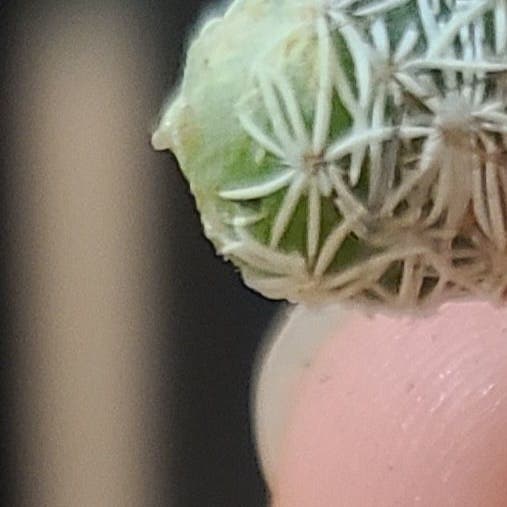
🌵 How Can You Tell If A Pima Pineapple Cactus Is Dying?
Coryphantha robustispina
By the Greg Editorial Team
Jun 07, 2024•4 min read
This article was created with the help of AI so we can cover more plants for you. May contain errors. See one? Report it here.
- Over/under-watering? Limp stems, sticky or receding soil are clues.
- 🌞 Pale stems or leaf scorch? Adjust light levels for your cactus.
- 🐞 Pest and fungus signs: White patches, musty odor, or critters.
When Thirst Goes Wrong: Water Woes
🚰 Over-watering and Under-watering
Detecting the signs of improper watering is crucial for the health of your Pima Pineapple Cactus. Over-watering may lead to limp stems and a soil consistency that's unpleasantly sticky. Conversely, under-watering can cause the plant to shrivel and the soil to pull away from the pot's edges.
Root health is a telltale indicator; brown, smelly roots suggest too much water, while roots in dry, compacted soil indicate a lack of hydration. To strike the right balance, observe your plant's response to watering and adjust accordingly. The soil should feel like a moist sponge, not a swamp or a desert.
Quick fixes for over-watering include moving the plant to a shadier spot and reducing watering frequency. For under-watered cacti, increase watering gradually, ensuring the soil achieves consistent moisture. Remember, the goal is to mimic a natural wet-dry cycle, not create an artificial monsoon or drought.
Sun Struggles: Light and Heat Issues
🌞 Too Much or Too Little Light
Reading the Leaves: Pale Stems and Etiolation
When your Pima Pineapple Cactus starts looking more like a ghost than a vibrant green buddy, pale stems are waving a white flag for more light. Etiolation is the plant's stretchy plea for sunshine, resulting in weak, elongated growth.
Sunburnt Succulent: Identifying and Treating Leaf Scorching
Crispy leaves? That's your cactus crying out from too much sun. Leaf scorching appears as dry, brown patches, signaling it's time to dial back on the direct rays. Move your plant to a shadier spot or use a sheer curtain to diffuse the sunlight.
Adjusting the Rays: How to Get the Light Just Right
To prevent a repeat performance of the great sunburn saga, find a spot with bright, indirect light. If your indoor lighting is more dungeon than sunny retreat, consider a grow light to simulate the sun without the burn. Regularly rotating your cactus ensures all sides receive even light, preventing lopsided growth and further distress.
Bug Battles: Dealing with Pests
🐜 Unwanted Guests
Scale insects and mealybugs are the uninvited squatters of your Pima Pineapple Cactus. They're masters of disguise, often mistaken for part of the plant. Look for bumps on stems or a sticky residue known as honeydew.
🌿 Natural defenses: Eco-friendly pest control tactics
Ladybugs and lacewings are more than just garden decor; they're your plant's personal bodyguards against aphids. For young scale insects, catch them before they develop their protective armor. Caterpillar munching on your cactus? Bacillus thuringiensis (Bt) is a safe, bacterial hitman for these pests.
🛡️ Prevention is key: Keeping pests at bay
Preventative measures beat reactive panic every time. Ensure good air circulation and keep humidity in check to avoid creating a pest party hotspot. Regular inspections are your best defense—think of them as routine security checks for your cactus's well-being.
Fungal Fiascos and Root Rot
🍄 Mold, Fungus, and Root Health
Fungal flags: If your Pima Pineapple Cactus is sporting white patches or emitting a musty odor, you've got a fungal issue. These signs are like red alerts for plant parents, indicating that your cactus is in distress and it's time to take action.
Root check: To assess root health, gently remove your cactus from its pot. Healthy roots should be firm and white. If they're brown and mushy, you're looking at root rot. This is serious; root rot is like the silent assassin of the plant world, often going unnoticed until it's too late.
Recovery roadmap: Caught a case of the moldies or the rotties? First, remove affected areas with a sterile tool. Then, let the roots air out before repotting in fresh, well-draining soil. Prevention is about balance; ensure your cactus's soil is never too wet. Consider a fungicide if the situation is dire, but always as a last resort.
⚠️ Safety First
This content is for general information and may contain errors, omissions, or outdated details. It is not medical, veterinary advice, or an endorsement of therapeutic claims.
Always consult a qualified healthcare professional before using any plant as food, medicine, or supplement.
Never eat any plant (or feed one to pets) without confirming its identity with at least two trusted sources.
If you suspect poisoning, call Poison Control (800) 222-1222, the Pet Poison Helpline (800) 213-6680, or your local emergency service immediately.
Spotted an error? Please report it here.
Revitalize your Pima Pineapple Cactus by spotting the distress signals and let Greg's custom care alerts 🌵 keep it thriving with the perfect balance of water, light, and pest control.