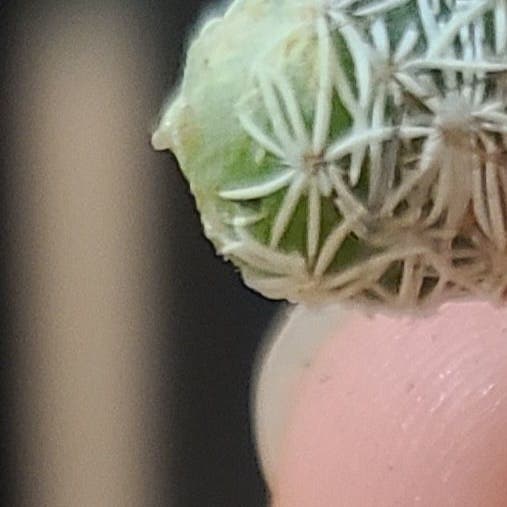
Fertilizing My Pima Pineapple Cactus to Double Its Growth
Coryphantha robustispina
By the Greg Editorial Team
Jun 07, 2024•3 min read
This article was created with the help of AI so we can cover more plants for you. May contain errors. See one? Report it here.
- Low-nitrogen, low-salt fertilizer is best for Pima Pineapple Cactus health.
- Fertilize monthly during growth, not during dormancy.
- Dilute and observe to prevent over-fertilization damage.
Picking the Perfect Fertilizer
🌵 Balanced Diet for a Spiky Friend
Choosing the right fertilizer for your Pima Pineapple Cactus is like picking the best protein shake for an athlete – it's all about the nutrient balance. These cacti thrive on a low-nitrogen diet, which prevents them from turning into the Incredible Hulk of the plant world – all leaves, no charm. A fertilizer with an N-P-K ratio that skimps on nitrogen, like a 5-10-10 blend, will encourage robust roots and the potential for vibrant blooms without the excessive greenery.
🍹 Salt is for Margaritas, Not Cacti
When it comes to salt, your cactus has more in common with a slug than a pretzel. High salt concentrations in fertilizers can wreak havoc on the roots, leading to a thirsty and stressed plant. It's essential to use fertilizers that are low in salts to keep your cactus's roots healthy and its growth steady. Organic options are typically lower in salt and release nutrients at a pace that won't overwhelm your cactus. Think of it as a slow dance rather than a frenetic disco when it comes to feeding your spiky friend.
Timing is Everything
⏰ Syncing with the Cactus Clock
In the growth phase, your Pima Pineapple Cactus is like a startup in launch mode—it's all about growth. Fertilize monthly during this period, when the days are long and the sun is generous. This is when your cactus is actively photosynthesizing and can make the most of the extra nutrients.
🚫 When to Hold Back
Come winter, your cactus is more like a bear in hibernation—it's not the time for a nutrient feast. Dormancy is a no-fertilizer zone. Continuing to fertilize during this period is as useful as giving a lecture to a sleeping audience. Save the nutrients for when your cactus wakes up and is ready to grow again.
Fertilizer Application: Doing it Right
💧 Less is More
Dilution is the name of the game when it comes to feeding your Pima Pineapple Cactus. Mix liquid fertilizer at half-strength to avoid shocking those delicate roots. For granular types, a light sprinkle followed by watering does the trick, releasing nutrients without overwhelming the plant.
👀 Watch and Learn
Your cactus's growth will tell you if you're hitting the mark with fertilization. Lush means you're good; signs of distress mean pull back. It's a dance of observation and adjustment, ensuring your spiky friend gets just what it needs without going overboard.
The Perils of Over-Indulgence
🚨 Spotting the Telltale Signs
Your Pima Pineapple Cactus can't speak, but it sure can show when it's had too much fertilizer. Yellowing or browning leaves scream 'help', while a crusty layer of fertilizer on the soil whispers 'I'm over it'. Dark, limp roots? They're crying out for a break. And if your cactus wilts with moist soil, it's not being dramatic—it's likely a casualty of over-fertilization.
🛑 Damage Control
Caught in the act of over-fertilizing? Stop the nutrient flow and take a breath. Remove any visible fertilizer from the soil surface—think of it as a detox for your cactus. If the damage is severe, consider repotting with fresh, nutrient-free soil to give your cactus a clean slate. Going forward, dilute your fertilizer more than recommended, and always monitor your cactus's response. It's not about feeding; it's about nurturing.
⚠️ Safety First
This content is for general information and may contain errors, omissions, or outdated details. It is not medical, veterinary advice, or an endorsement of therapeutic claims.
Always consult a qualified healthcare professional before using any plant as food, medicine, or supplement.
Never eat any plant (or feed one to pets) without confirming its identity with at least two trusted sources.
If you suspect poisoning, call Poison Control (800) 222-1222, the Pet Poison Helpline (800) 213-6680, or your local emergency service immediately.
Spotted an error? Please report it here.
Nurture your Pima Pineapple Cactus to flourish 🌵 with Greg's custom fertilization schedule and expert care advice, ensuring just the right nutrients without the guesswork.