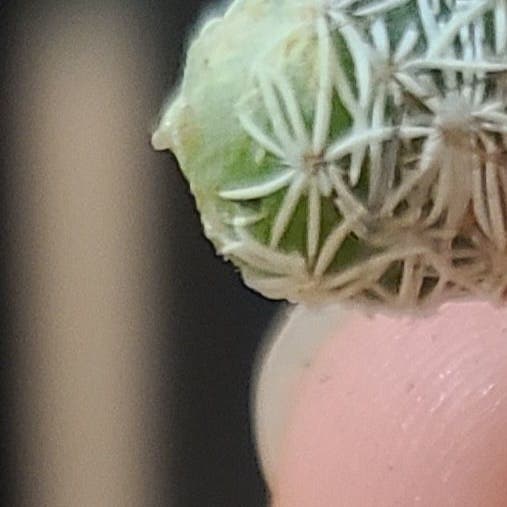
Why Are My Pima Pineapple Cactus Leaves Curling?
Coryphantha robustispina
By the Greg Editorial Team
Jun 07, 2024•4 min read
This article was created with the help of AI so we can cover more plants for you. May contain errors. See one? Report it here.
- Curling leaves signal distress in Pima Pineapple Cactus, requiring prompt attention.
- Balance water, light, and temperature to prevent and fix leaf curling.
- Monitor for pests and diseases, and choose terra cotta pots for health.
Spotting the Signs of Trouble
🌵 Recognizing Leaf Curling
When your Pima Pineapple Cactus leaves start mimicking a roller coaster with sharp bends or spirals, it's a visual SOS. This isn't a quirky new growth pattern; it's a cry for help.
Leaves should stand proud, not fold inward like they're trying to hide. If they're looking more like origami than a plant, you've got a problem on your hands.
🚨 When to Be Concerned
Severity is the name of the game here. A little curl? Maybe it's just being fancy. But if your cactus is pulling a full-on contortionist act, it's time to take action.
Watch for leaves that go from vibrant green to yellow or brown, or if they feel like a damp sponge. These are not just bad hair days; they're red flags waving at you to do something.
Unraveling the Causes of Curling
💧 Water Woes
Overwatering your Pima Pineapple Cactus can lead to a soggy, unhappy plant with curled leaves. The soil should feel moist, not like a swamp. On the flip side, underwatering turns leaves dry and crispy, as if begging for a drop of water. To check soil moisture, stick your finger in the top inch of soil; if it's dry, it's time to water. Remember, consistency is your plant's best friend.
🌞 Light and Temperature Tantrums
Curling can be a cactus's way of throwing shade at improper light conditions. Too much light, and leaves curl up tighter than a rolled-up newspaper. Not enough, and they droop sadly. Temperature swings are just as bad, sending your cactus into a tizzy. Aim for a stable environment with plenty of bright, indirect light and avoid placing your cactus in drafty areas.
🐜 Unwanted Guests: Pests
Pests are like that one guest who overstays their welcome and leaves a mess. Sticky residue, webbing, or visible critters are a call to action. Act fast—isolate the plant and consider using insecticidal soap or horticultural oil to show those pests the door.
🦠 The Silent Killers: Disease and Nutrient Issues
Diseases and nutrient imbalances are the silent dramas of the plant world. Look out for unusual spots or growths, which could indicate a disease. Nutrient issues often manifest as discoloration or stunted growth. If you suspect a problem, reassess your fertilization routine and make sure your cactus is getting all the nutrients it needs without going overboard.
Turning the Tide: Fixing the Curl
💧 Fine-Tuning Watering Habits
Watering your Pima Pineapple Cactus isn't a guessing game. Check the soil; if the top inch is dry, it's time to water. Less is more—overwatering invites root rot, while underwatering leads to shrivel city.
The Soak and Dry Method
Water deeply, then let the soil dry out completely. This mimics desert downpours followed by drought, which your cactus is built to endure.
🌞 Light and Temperature Harmony
Your cactus loves the spotlight, but not too bright. Aim for bright, indirect light and shield it from the harsh midday sun. Maintain a stable temperature, avoiding the chills and the scorchers.
Creating a Microclimate
Consider a pebble tray or humidifier to keep humidity on point. Grouping plants can help, too, creating a cozy microclimate.
🐜 Pest Control Tactics
Pests are party crashers. Evict them with a blast of water or insecticidal soap. For stubborn gatecrashers, neem oil is your go-to bouncer.
Natural Predators
Introduce ladybugs or other beneficial insects. They're the eco-friendly muscle that keeps the riff-raff at bay.
🌱 Nutrient and Disease Management
Fertilize sparingly—a cactus is more monk than glutton. If you've overdone it, flush the soil to wash away excess nutrients.
Spotting Trouble
Keep an eye out for discoloration or unusual growth, signs of disease or nutrient issues. Act fast with a suitable fungicide or correct the nutrient imbalance.
Remember, your Pima Pineapple Cactus is a desert survivor. With these tweaks, you'll have it back to its perky, uncurled self in no time.
Staying Ahead: Prevention Strategies
🌵 Consistency is Key: Routine Care
Crafting a care schedule for your Pima Pineapple Cactus isn't just about ticking boxes; it's about syncing with your plant's life rhythm. Regular watering and light exposure are the cornerstones of cactus happiness. Adjust these elements with the seasons, just as you would swap out your wardrobe.
🌱 The Right Foundation: Soil and Pot Choices
Selecting the right soil mix and pot for your cactus is like setting up a trust fund for its future. Go for a blend that's one part sand, one part perlite, and a sprinkle of cactus mix for that fast-draining, airy feel. Terra cotta pots? They're the MVPs here, letting roots breathe easy and preventing overwatering mishaps. Remember, a dry desert touch means it's time for a drink, not a flood.
⚠️ Safety First
This content is for general information and may contain errors, omissions, or outdated details. It is not medical, veterinary advice, or an endorsement of therapeutic claims.
Always consult a qualified healthcare professional before using any plant as food, medicine, or supplement.
Never eat any plant (or feed one to pets) without confirming its identity with at least two trusted sources.
If you suspect poisoning, call Poison Control (800) 222-1222, the Pet Poison Helpline (800) 213-6680, or your local emergency service immediately.
Spotted an error? Please report it here.
Prevent your Pima Pineapple Cactus leaves from curling by letting Greg fine-tune 🌵 your watering schedule for a happier, healthier plant!