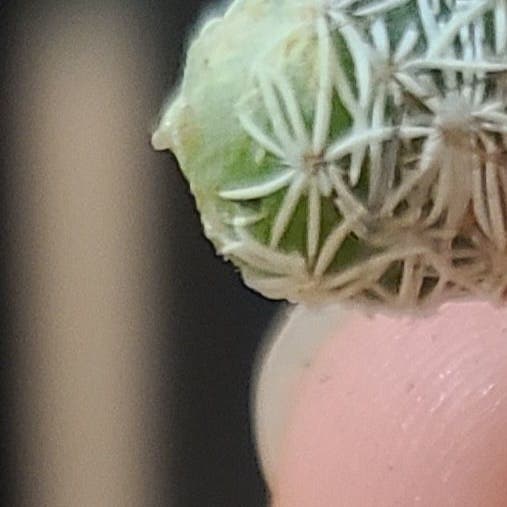
🌵 Soil Recommendations for Pima Pineapple Cactus
Coryphantha robustispina
By the Greg Editorial Team
Jun 07, 2024•5 min read
This article was created with the help of AI so we can cover more plants for you. May contain errors. See one? Report it here.
- Mold signals excess moisture: Cut back watering and increase airflow.
- 🌵 Ideal cactus soil: Excellent drainage, aeration, and mineral balance.
- Refresh soil biennially: Promotes growth and prevents root issues.
Spotting and Fixing Unhappy Cactus Soil
🚫 Mold Be Gone!
Mold in cactus soil is a red flag. It's a telltale sign of excess moisture and poor air circulation. To spot it, look for a fuzzy or slimy layer on the soil surface, or a musty smell emanating from the pot.
Quick action is crucial. Cut back on watering immediately. Increase airflow around your cactus and let it bask in sunlight. If mold persists, it's time to repot. Use fresh, sterile soil to give your cactus a new lease on life.
💧 When Your Cactus is Drowning
Recognizing waterlogged soil is key to cactus survival. Signs include wilting leaves, soil that feels more like a swamp, and a general look of despair on your plant's "face."
To rescue your cactus, think dry thoughts. Repot with a well-draining mix, preferably with added perlite or coarse sand. Adjust your watering habits—cacti prefer a sip over a soak. Ensure the pot has drainage holes to avoid future waterlogging.
Crafting the Perfect Cactus Bed
🏜️ The Ideal Soil Blueprint
Crafting the ideal soil mix for your Pima Pineapple Cactus is like hitting the jackpot in plant care. The perfect blend hinges on drainage, aeration, and the right mineral balance. Aim for a mix that's one part potting soil, one part coarse sand, and one part perlite or pumice. This trio champions excellent drainage and prevents root rot.
🍽️ DIY Soil Mix Masterclass
To create your own Pima Pineapple Cactus soil mix, start with equal parts of a cactus potting mix, coarse sand, and perlite. These ingredients ensure your cactus bed is well-draining and airy, mimicking the cactus's natural habitat. Mix thoroughly to avoid any clumping or unevenness.
🧼 Soil Sterilization
Before introducing your cactus to its new home, sterilize the soil to eliminate unwanted guests like fungi and bacteria. Bake the mix at 350°F (180°C) for around 45 minutes or microwave for a few minutes. Let it cool off before use.
🐜 Pest Prevention
To keep pests at bay, consider adding a layer of gravel or pebbles on top of the soil. This not only deters insects but also adds to the overall drainage efficiency of your cactus bed.
Remember, your Pima Pineapple Cactus's soil is its lifeline. Adjust the mix based on your climate and the cactus's feedback, and you'll have a thriving, happy plant in no time.
Choosing and Using Commercial Cactus Mixes
🌵 Top Picks for Commercial Soil Mixes
When it comes to commercial soil mixes for your Pima Pineapple Cactus, not all bags are created equal. Hoffman 10404 Organic Cactus and Succulent Soil Mix stands out with its peat moss and perlite combo, offering a snug haven for roots. Alternatively, the Premium Indoor Plant Soil with its coco coir, orchid bark, and perlite mix serves up a balanced diet for your cactus. For a tried-and-true option, the Cactus Palm Citrus Mix might just be your golden ticket.
🛠 Tweak It Like a Pro
Sometimes, a commercial mix needs a personal touch. If your cactus seems off-key, consider adding more perlite for better aeration or a sprinkle of peat moss to retain moisture. Steer clear of mixes that resemble wet cement or are too light, risking a toppled cactus. Check for a slightly acidic pH level on the label, as cacti prefer such conditions. Brands like Bonsai Jack and Kellogg Cactus & Citrus mix often hit the mark, but always be wary of unwanted heavy fertilizers.
Real Talk on Commercial Mixes
Let's be real: commercial mixes are convenient but not custom-tailored. They're the off-the-rack suits of the soil world. You might need to roll up your sleeves and adjust the mix to suit your cactus's needs. Keep an eye on your plant's response and be ready to adapt. Remember, the perfect soil for your Pima Pineapple Cactus is out there, and sometimes it just takes a little remixing to find it.
Keeping the Soil in Top Shape
🕵️ Regular Check-ups
Monitoring your Pima Pineapple Cactus's soil moisture is like being a plant detective. Monthly inspections are non-negotiable. If the soil feels like a wet sponge, it's time for a soil intervention. Use a small stick or your finger to gauge wetness. The top inch should be dry before you even think about watering again.
Long-term Soil Care
Every couple of years, your cactus's soil needs a complete refresh. Look for clues: is your cactus's growth stunted, or are the leaves dropping? These are signs screaming for a soil overhaul. Repotting is your chance to not only change the soil but also to inspect the roots for any signs of rot or pests. When repotting, choose a pot that's a size up to give your cactus room to grow. Remember, terracotta or unglazed ceramic pots are the MVPs for promoting evaporation and preventing root rot.
Regularly adding organic matter can keep the nutrient balance in check, but don't overdo it. Too much of a good thing can lead to soil compaction and poor drainage. And when it comes to watering, consistency is key. Adapt your watering schedule with the seasons—less in winter, more in the growing season. Keep your cactus's environment stable; avoid drastic temperature changes and drafty spots.
Lastly, don't forget about fertilization. It's like health insurance for your plant. A balanced approach ensures your cactus doesn't just survive, it thrives. Keep the soil well-draining, and the pot breathable to prevent future root rot episodes. It's not just a plant care routine; it's a long-term commitment to your spiky friend's well-being.
⚠️ Safety First
This content is for general information and may contain errors, omissions, or outdated details. It is not medical, veterinary advice, or an endorsement of therapeutic claims.
Always consult a qualified healthcare professional before using any plant as food, medicine, or supplement.
Never eat any plant (or feed one to pets) without confirming its identity with at least two trusted sources.
If you suspect poisoning, call Poison Control (800) 222-1222, the Pet Poison Helpline (800) 213-6680, or your local emergency service immediately.
Spotted an error? Please report it here.
With Greg's custom reminders 🌵, you'll never overwater again, ensuring your Pima Pineapple Cactus soil stays mold-free and perfectly balanced!