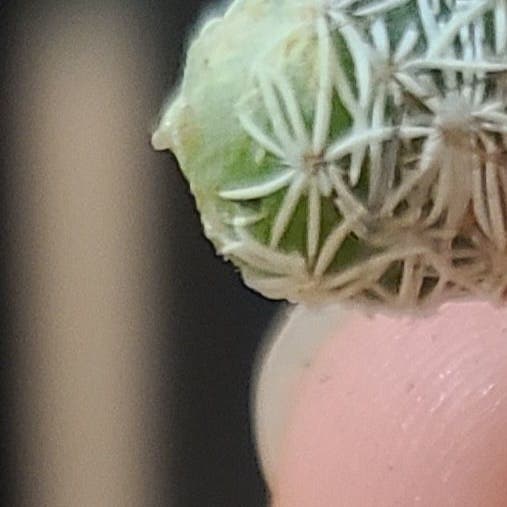
🌵 Light Requirements For Your Pima Pineapple Cactus by Season
Coryphantha robustispina
By the Greg Editorial Team
Jun 07, 2024•4 min read
This article was created with the help of AI so we can cover more plants for you. May contain errors. See one? Report it here.
- Spring to summer: Gradually increase light, provide midday shade outdoors.
- Autumn prep: Reduce light for blooming, avoid cold drafts.
- Winter strategy: Use grow lights with timers, mimic natural cycles.
Spring into Action: Light for Growth
🌞 Spring Light Needs
Spring heralds longer days, and your cactus is ready to soak up the sun. Aim for direct exposure to those milder rays, but keep a vigilant eye on the intensity. Your cactus should bask in sunlight, but not get fried.
Positioning is key. Rotate your cactus to ensure an even tan, avoiding the lopsided growth that comes from unidirectional light. Think of it as a spa treatment for your prickly pal.
🌅 Transitioning into Summer
As summer approaches, it's time to prep your cactus for the heat. Gradually introduce it to brighter spots if it's been chilling indoors or in the shade. This acclimatization is like a warm-up before a sprint.
Outdoor or indoor? That's the question. If your cactus is living it up outside, make sure it has a shady retreat for the midday sun. Indoors, keep it away from cold drafts and the magnifying glass effect of windows. Your cactus likes its climate like its soil – stable and dry.
Autumn Adjustments: Preparing for Rest
🌅 Shorter Days, Dimmer Light
As the autumn equinox passes, your Pima Pineapple Cactus begins to crave less light. It's not slacking off; it's just syncing with nature's rhythm. Reduce the sunbathing hours gradually as the days shorten.
🌸 Does your cactus dream of flowers? Light's role in setting the stage
If you're eyeing those blooms, light still plays a crucial part. Indirect light is your cactus's best friend during fall. It's like a soft lullaby, telling your cactus to prepare for its floral finale. Keep it cozy but not in the dark; think of it as setting the mood for a blooming good show.
Winter Woes: Light During Dormancy
🌟 Indoor Strategies for the Chill
Winter doesn't have to be a gloom fest for your Pima Pineapple Cactus. Indoor light is your secret weapon against the short, dark days. Keep your cactus basking in as much natural light as possible, but when the sun's on a break, it's time to talk grow lights.
Grow lights are like a caffeine shot for your cactus, keeping it perky through the winter. LEDs or fluorescents? Both can work wonders. Just remember, too close and you'll fry it, too far and it's pointless. Aim for the sweet spot: a cactus-friendly distance.
🌞 Grow Lights: Your Cactus's Winter Sun Substitute
When the real sun clocks out early, a grow light steps in to keep the party going. Think of it as your cactus's personal spotlight. But it's not just about flipping a switch; you need to mimic the natural day-night cycle. Timers are your best friend here, automating the process so you don't have to play sun god.
And let's talk about placement. That cozy spot by the window might seem ideal, but if it's next to an icy pane, you're sending mixed signals. Indirect sunlight is the name of the game. No one likes a sunburn, not even cacti. So, keep it warm, keep it lit, and your Pima Pineapple Cactus will keep its cool through the winter chill.
Year-Round Indoor Light Mastery
🌞 Finding the Sweet Spot Indoors
South-facing windows are the champions of light for your Pima Pineapple Cactus, offering a consistent and bright environment. If you're not blessed with this ideal setup, east or west-facing windows can be a decent runner-up. They provide a moderate amount of sunshine that won't leave your cactus begging for more.
Grow lights are the secret weapon when natural light is playing hard to get. They're not just a backup plan; they're your cactus's personal sun. When choosing a grow light, think about the size of your plant and the space it occupies. A small cactus might cozy up to a compact bulb, while a larger one might need the broad embrace of an LED panel.
Remember, positioning is crucial. You're not spotlighting a rockstar on stage; you're giving your cactus a gentle glow. Keep the light source a few inches away to avoid a cactus sunburn. And timing? It's all about consistency. Aim for 12-14 hours of light per day, and let a timer do the heavy lifting. This way, you won't have to play the role of the sun, and your cactus can maintain its circadian rhythm.
⚠️ Safety First
This content is for general information and may contain errors, omissions, or outdated details. It is not medical, veterinary advice, or an endorsement of therapeutic claims.
Always consult a qualified healthcare professional before using any plant as food, medicine, or supplement.
Never eat any plant (or feed one to pets) without confirming its identity with at least two trusted sources.
If you suspect poisoning, call Poison Control (800) 222-1222, the Pet Poison Helpline (800) 213-6680, or your local emergency service immediately.
Spotted an error? Please report it here.
Let your Pima Pineapple Cactus thrive 🌵 with Greg's personalized reminders to adjust its light exposure with the seasons, ensuring your spiky friend always has the perfect glow.