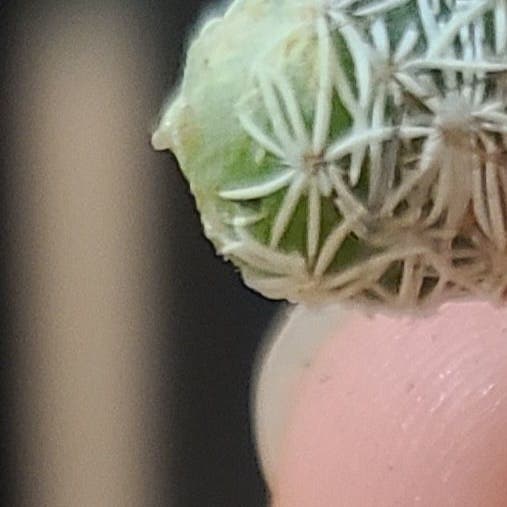
Black Spots on My Pima Pineapple Cactus Leaves
Coryphantha robustispina
By the Greg Editorial Team
Jun 07, 2024•5 min read
This article was created with the help of AI so we can cover more plants for you. May contain errors. See one? Report it here.
- Black spots signal health issues; inspect leaves regularly for early detection.
- Overwatering and sunburn can cause spots; water wisely and provide indirect light.
- Prevent with airflow and low humidity; prune for better circulation and health.
Spotting the Trouble: Recognizing Black Spots
🕵️ What Do Black Spots Look Like?
Black spots on Pima Pineapple Cactus leaves are the plant's distress signals. These spots can range from tiny specks to larger blotches, often surrounded by a yellowish edge. They may appear slightly raised or sunken, and in some cases, they emit a foul odor. Don't be fooled by their initial small size; these spots can grow and potentially indicate a serious health issue for your cactus.
Where Do Black Spots Typically Appear?
Black spots are sneaky; they love to start on the undersides of leaves where they're less likely to be noticed. But they don't stop there. They can appear on any leaf surface, including new growth. It's essential to check your cactus regularly, turning leaves to inspect both sides. Early detection is crucial, as it can mean the difference between a simple fix and a full-blown plant crisis.
The Culprits: What's Causing the Black Spots?
💧 Too Much Water, Too Little Drainage
Overzealous watering can turn your cactus's home into a swampy nightmare. Roots need to breathe, not swim. Insufficient drainage is like forgetting to poke holes in a microwave dinner; steam builds up, and things get mushy.
🌞 The Sunburn Connection
Your cactus can't slap on sunscreen and call it a day. Too much sun leads to spotty tans and crispy tips. It's a clear signal that your green buddy is craving some shade.
🦠 Unwanted Guests: Fungal and Bacterial Infections
Fungi and bacteria throw down in moist conditions like it's their favorite dive bar. Fungal infections show up as a powdery or crusty soirée on the leaves. Bacteria, the slimy crashers, leave behind water-soaked lesions that can ooze and emit a foul stench.
The Detective Work: Figuring Out Why Your Cactus is Spotty
💡 Assessing Your Cactus's Living Conditions
Lighting is crucial. Your Pima Pineapple Cactus craves sunlight but despises sunburn. Ensure it basks in bright, indirect light; direct scorchers can lead to those unsightly spots. Rotate the pot regularly for even exposure, preventing one-sided sun feasts.
🚰 Checking for Overwatering and Drainage Issues
Grab your detective hat and investigate the soil. Is it soggy? That's a no-go. Your cactus's roots aren't fans of a swampy abode. Ensure the pot has drainage holes and the soil is well-draining. Water only when the top inch feels like a dry desert.
🍽️ Scouting for Pests and Disease Signs
Pests and diseases are the silent assassins of the cactus world. Inspect your plant for any sticky, webby, or discolored signs of foul play. Use a magnifying glass if you must—these critters are masters of disguise. Cleanliness is your ally; keep those tools sterile to prevent an outbreak.
The Fix: Treating and Kicking Black Spots to the Curb
💧 Adjusting Watering Habits
Watering is more science than art. Give your cactus a drink only when the soil is bone-dry. Stick your finger in the soil; if it's dry an inch down, it's time to water. Base watering in the morning lets the sun zap any excess moisture, preventing fungal raves on your cactus's leaves.
🌞 Creating a Sun-Safe Zone
Your cactus loves the sun, but not like a sunbather slathered in oil. Aim for bright, indirect light. If your cactus is sunburned, dial back the rays. Create a sun-safe zone with shade cloth or by relocating your plant to a spot with filtered sunlight. It's like sunglasses for your cactus.
💨 Boosting Airflow and Battling Humidity
Stagnant air is a black spot's BFF. Increase air circulation with a fan or by spacing out your plants. Humidity should be just right—think comfortable living room, not a steamy bathroom. Use a hygrometer to keep tabs on moisture levels. If things get muggy, a dehumidifier can be your ace in the hole.
Keeping It Spotless: Prevention Strategies
💧 Watering Wisdom: Finding the Balance
Watering your Pima Pineapple Cactus correctly is pivotal. It's a fine line between hydration and drowning. Check the soil—if the top inch is dry, it's time to water. But remember, less is more in the cooler months.
🌞 Sunlight and Shade: Making It Just Right
Your cactus loves the sun, but not too much of it. Bright, indirect light is the sweet spot. Shield your cactus from the harsh midday rays to prevent sunburn, which can lead to those unsightly black spots.
💨 Air Circulation and Humidity: Your Cactus's Best Friends
Good airflow is non-negotiable. It's like giving your cactus a breath of fresh air, warding off fungal threats. Keep humidity low; your cactus didn't sign up for a tropical holiday. Regular pruning helps promote circulation, making it harder for pests to take hold.
Remember, the goal is to mimic the cactus's natural habitat. This isn't coddling; it's about creating an environment where your cactus can thrive on its own terms. Stay vigilant, and you'll have a robust, spot-free Pima Pineapple Cactus as your reward.
⚠️ Safety First
This content is for general information and may contain errors, omissions, or outdated details. It is not medical, veterinary advice, or an endorsement of therapeutic claims.
Always consult a qualified healthcare professional before using any plant as food, medicine, or supplement.
Never eat any plant (or feed one to pets) without confirming its identity with at least two trusted sources.
If you suspect poisoning, call Poison Control (800) 222-1222, the Pet Poison Helpline (800) 213-6680, or your local emergency service immediately.
Spotted an error? Please report it here.
Eradicate black spots 🕵️♂️ on your Pima Pineapple Cactus with Greg's tailored watering reminders and sun-safe alerts for plant care success.