Propagating Pima Pineapple Cactus: The Ultimate Guide
Coryphantha robustispina
By the Greg Editorial Team
Jun 07, 2024•5 min read
This article was created with the help of AI so we can cover more plants for you. May contain errors. See one? Report it here.
- Offsets and seeds are key for propagation; ensure proper soil and moisture.
- 🌵 Cut stems carefully below a leaf node; use sterile techniques.
- Contribute to conservation by propagating responsibly and sharing knowledge.
Getting Started with Offsets
🌱 Identifying and Harvesting Offsets
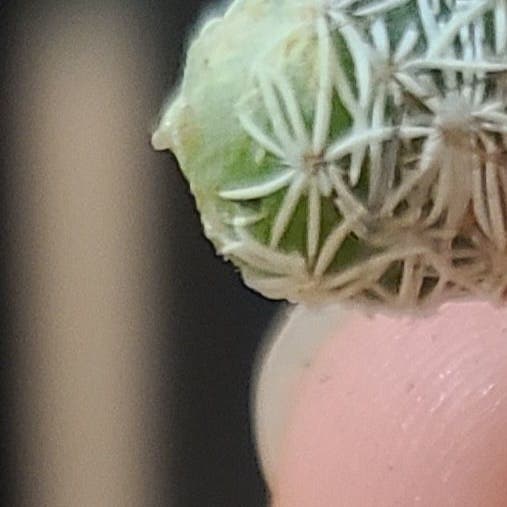
Offsets are the plantlets that cluster around the base of the Pima Pineapple Cactus, each a mini replica of the parent. Spotting the ripe ones is key—they'll be plump, boasting their own roots. Sterilize your cutting tools to avoid introducing any nasties, and gently pry the offsets away, ensuring a clean break.
🏜️ Planting and Caring for Offsets
🍃 Soil and Container Preparation
For these cactus kids, a well-draining soil mix is non-negotiable. Choose a container that's cozy but not cramped, with drainage holes to prevent soggy feet. Plant the offsets shallowly; they're not fans of being buried alive.
💧 Watering and Initial Care Tips
In the early days, water is a frenemy—necessary, but in moderation. Keep the soil slightly moist, and place your potted offsets in a bright spot that's safe from the midday sun's scorch. This isn't a sprint; it's a marathon to healthy growth.
Sowing the Future: Seed Propagation
🌵 Collecting and Prepping Seeds
Harvesting seeds from the Pima Pineapple Cactus is all about timing. The fruit must be mature and ripe before you delve into its interior for the black seeds. These seeds are delicate; handle them as if they were tiny, fragile artifacts of future greenery.
To prepare for sowing, cleanliness is paramount. Any lingering fruit pulp is a no-go, as it can invite mold. Dry the seeds thoroughly in a cool, dark place. Some may benefit from a pre-sowing soak—check your species' specifics to see if this applies.
🌱 Germination and Seedling Care
Creating the right germination environment is akin to setting up a backstage for a plant's debut. Warmth and moisture are the headliners here. Use a sterile, nutrient-rich medium, and maintain a consistent, humid climate. Think of it as a nurturing incubator for your future cacti.
Once sown, the seeds require a light touch—literally. Press them gently into the soil without burying them, as they need light to kickstart germination. Cover the soil with clear plastic to lock in humidity, and keep the soil moist, not drenched.
As the seedlings emerge, they'll need a balanced approach to watering. Overzealousness can be as harmful as neglect. When the first true leaves appear, it's a signal: your seedlings are gearing up for the next stage of their journey.
Stem Cuttings: A Snip Away from New Plants
🌱 Choosing and Cutting Stems
Selecting the right stem is like picking the best apple from the tree; you want it green, healthy, and blemish-free. Snip below a leaf node with sterilized shears—it's where the rooting magic starts.
🌱 Rooting and Planting Stem Cuttings
Rooting mediums should be the Goldilocks of soils—not too wet, not too dry. Plant the cutting an inch deep, ensuring at least one node is underground, ready to sprout roots. Cover with plastic for a DIY greenhouse effect, but don't suffocate them—cuttings need their breathing room.
Overcoming Propagation Pitfalls
🌱 Common Issues and Solutions
Propagation can feel like a high-stakes game of patience, but when cuttings or seeds refuse to root, it's not game over. Temperature and moisture are the usual suspects. Ensure your environment is warm and your soil is like a well-drained hiking path, not a swamp. If root rot is your nemesis, cut back on the water love and check for drainage holes that aren't just for show.
For seeds playing hard to get, a warm, moist hug might be all they need to break their shell. And if pests are gatecrashing your plant party, a spritz of insecticidal soap should send them packing. Remember, cleanliness isn't just for show; it's a crucial step to keep your plants disease-free.
⏰ Timing and Environmental Tips
Timing is not just a buzzword; it's the backbone of successful propagation. Aim for the growing season, when plants are in their element, not stressed by flowering or extreme weather. Think of your propagation space as a VIP lounge for plants—exclusive, stable, and pest-free.
Temperature consistency is like a trusty friend for your plants. Avoid the shock of a cold night or a scorching day. As for humidity, think of it as the secret sauce; get it just right, and you'll have cuttings sprouting roots like it's their job. Keep an eye on the thermometer and the humidifier, and you'll be on your way to propagation glory.
Propagation with a Purpose
🌱 Sustainable Practices
In the realm of Pima Pineapple Cactus propagation, ethical practices are non-negotiable. Sustainability is the backbone of responsible gardening, ensuring that our green endeavors leave a positive impact on the ecosystem.
🌿 Ethical Propagation
To propagate ethically means to avoid depleting wild populations. Always use seeds or offsets from cultivated sources rather than taking from natural habitats. This approach safeguards the species in the wild while allowing gardeners to enjoy its unique beauty.
🌍 Conservation Contributions
Propagation isn't just about growing plants; it's a conservation act. By propagating the Pima Pineapple Cactus, you're playing a part in preserving a species that's facing habitat loss. It's a powerful way to contribute to biodiversity and support the environment.
🌱 Cultivation Over Collection
Remember, cultivation beats collection. Growing from seeds or cuttings reduces the demand for wild specimens, which combats illegal poaching. It's a win-win: you get your cactus, and the wild ones stay rooted in their native soil.
📚 Sharing Knowledge
Spread the word, not just the plant. Educating others about the importance of sustainable propagation can amplify conservation efforts. Share your experiences, maybe even host a workshop. Knowledge is a resource that grows as it's shared.
🌎 Reflecting on Impact
Take a moment to consider the broader impact of your propagation hobby. Each cactus you grow is a step towards a more sustainable future. It's a small action with the potential for significant environmental ripple effects.
⚠️ Safety First
This content is for general information and may contain errors, omissions, or outdated details. It is not medical, veterinary advice, or an endorsement of therapeutic claims.
Always consult a qualified healthcare professional before using any plant as food, medicine, or supplement.
Never eat any plant (or feed one to pets) without confirming its identity with at least two trusted sources.
If you suspect poisoning, call Poison Control (800) 222-1222, the Pet Poison Helpline (800) 213-6680, or your local emergency service immediately.
Spotted an error? Please report it here.
Ensure optimal propagation 🌱 for your Pima Pineapple Cactus by using Greg's tailored environment tracking to maintain perfect moisture and temperature from our guide's tips!