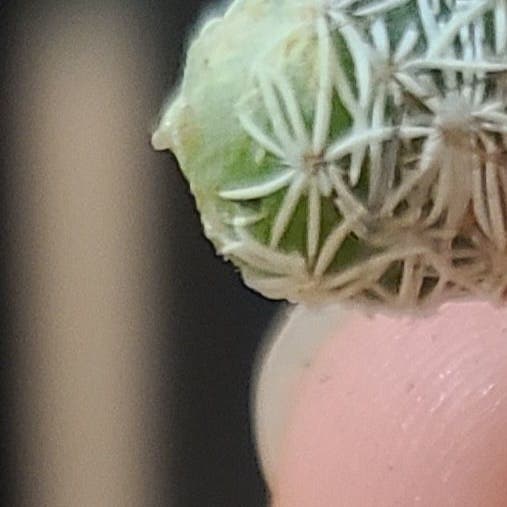
🐛 What To Do About Bugs on My Pima Pineapple Cactus?
Coryphantha robustispina
By the Greg Editorial Team
Jun 07, 2024•4 min read
This article was created with the help of AI so we can cover more plants for you. May contain errors. See one? Report it here.
- 🕸️ Look for webbing and yellow speckles as signs of pests.
- Scale, gnats, mealybugs, aphids, thrips: Know your cactus's enemies.
- Prevent infestations with regular inspections and proactive treatments.
Spotting Trouble: Signs Your Cactus Has Uninvited Company
🕵️ Visual Clues
Yellow speckles or fine webbing on your Pima Pineapple Cactus? These are the flashing neon signs of pest infestations. Cotton-like deposits and waxy bumps are not part of your cactus's natural charm; they're evidence of unwanted guests. If you see these, it's time to switch to detective mode.
🚨 Behavioral Changes
A cactus that stops growing or starts to look like it's lost its will to live might be under siege. Discoloration and wilted segments are your cactus crying out for help. Pests can cause more than cosmetic damage; they can alter your plant's behavior and growth. Keep an eye out for any changes that seem out of the ordinary for your spiky friend.
The Usual Suspects: Common Pima Pineapple Cactus Pests
🕷️ Spider Mites: Tiny Webs, Big Problems
Spider mites are infamous for turning your Pima Pineapple Cactus into their personal playground. Look for webbing and discolored patches on your plant, which are clear signs of an invasion. To combat these pests, introduce natural predators like ladybugs or apply insecticidal soap with precision. Prevention is straightforward: keep your cactus dust-free and maintain moderate humidity to deter mite settlement.
🛡️ Scale: Sticky Foes
Scale insects are masters of camouflage, often mistaken for part of the cactus itself. These sticky adversaries attach themselves firmly to your plant, creating bumps on the surface. To remove them, use a soft brush dipped in soapy water or apply a dab of ethanol directly. Preventing scale starts with regular inspections and keeping your cactus in optimal health to fend off these clingy critters.
🦟 Fungus Gnats and Fruit Flies: More Than Just a Nuisance
A swarm of tiny black flies is a telltale sign of fungus gnats or fruit flies. These pests love moist soil, and their larvae can harm your cactus's roots. Dry out the topsoil between waterings and use sticky traps to catch adults. For a long-term solution, ensure proper drainage and avoid overwatering to create an unwelcoming environment for these pests.
🐞 Mealybugs: Cottony Clusters of Chaos
Mealybugs are the bane of many cactus owners, recognizable by their cottony masses. They secrete sticky honeydew, which can lead to sooty mold. To tackle them, apply isopropyl alcohol with a cotton swab or spray with neem oil. Keep mealybugs at bay by maintaining air circulation around your cactus and being vigilant with routine checks for early signs of infestation.
When Pests Aren't the Usual Culprits
🐜 Less Common Invaders
Even the most vigilant plant parents can be blindsided by uncommon pests like aphids and thrips. These tiny invaders are not your typical cactus companions, but they can still wreak havoc on your Pima Pineapple Cactus.
🍃 Aphids: The Sap-Sucking Menace
Aphids are small, pear-shaped critters that feast on plant sap, causing leaves to curl and stunt growth. Check the undersides of leaves for clusters of these pests. A strong water jet can dislodge them, while insecticidal soap or neem oil offers a more targeted approach.
🐜 Thrips: Stealthy Plant Predators
Thrips are slender insects that suck the life out of plants, leaving behind speckled leaves and distorted growth. They're tough to spot, but silver-white streaks on leaves are a giveaway. Yellow sticky traps, neem oil, and insecticidal soap are your allies against these sap suckers.
🌱 Quick Tips for Identification and Control
- Regular inspections are crucial. Flip those leaves and inspect new growth.
- Dislodge aphids with a water jet or treat with neem oil.
- Use sticky traps to catch thrips and apply insecticidal soap as needed.
- Isolate new plants to prevent the spread of these pests to your cactus.
- For persistent problems, consider systemic insecticides, but use them as a last resort to protect beneficial insects.
Remember, the key to managing these less common pests is to stay proactive and observant. Your Pima Pineapple Cactus depends on it!
⚠️ Safety First
This content is for general information and may contain errors, omissions, or outdated details. It is not medical, veterinary advice, or an endorsement of therapeutic claims.
Always consult a qualified healthcare professional before using any plant as food, medicine, or supplement.
Never eat any plant (or feed one to pets) without confirming its identity with at least two trusted sources.
If you suspect poisoning, call Poison Control (800) 222-1222, the Pet Poison Helpline (800) 213-6680, or your local emergency service immediately.
Spotted an error? Please report it here.
Eradicate pests and protect your Pima Pineapple Cactus with proactive care reminders 🛡 from Greg, ensuring you're always one step ahead in plant health!