Red Arrow Leaf Root Rot Solutions
Homalomena pendula
By the Greg Editorial Team
Jun 15, 2024•4 min read
This article was created with the help of AI so we can cover more plants for you. May contain errors. See one? Report it here.
Rescue your Red Arrow Leaf from root rot 🍂 with these expert, life-saving plant care tips!
- Yellow leaves and wilting signal Red Arrow Leaf root rot.
- Prune and adjust watering for immediate root rot response.
- Regular inspections and cleanliness prevent future root rot issues.
Spotting the Trouble: Recognizing Root Rot in Red Arrow Leaf
🚨 Visual Clues
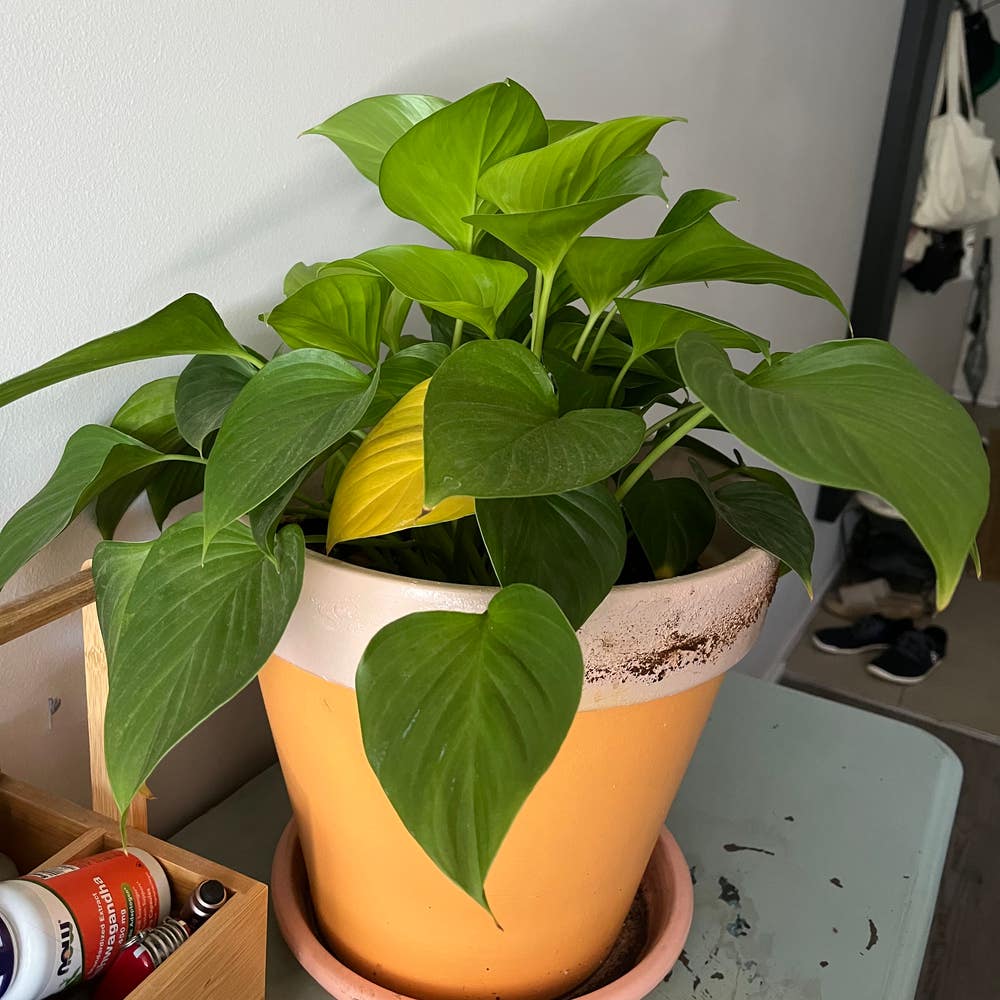
Yellowing leaves and wilting are not just a bad leaf day; they're red flags for root rot in your Red Arrow Leaf. If your plant is looking more yellow than a banana peel, it's time to take action. Stunted growth is another tell-tale sign; if your plant's growth has hit a wall, it's sounding the alarm.
🕵️ Checking the Roots
Gently remove your Red Arrow Leaf from its pot to inspect the roots. Healthy roots are firm and white, while rotten ones are brown, mushy, and could smell like last week's compost. If the roots are more reminiscent of overcooked noodles than crisp carrots, it's time for some plant triage.
Immediate Response: Saving Your Red Arrow Leaf from Root Rot
🌱 Pruning the Damage
Immediate action is non-negotiable when root rot is suspected. First, sterilize your pruning tools—think surgical cleanliness. Gently remove the plant from its pot and inspect the roots. Healthy roots are firm and white; anything mushy and brown gets the chop. Be thorough but careful; it's a fine line between pruning enough and too much.
💧 Soil and Water Adjustments
Next, address the watering habits that likely contributed to the problem. Let the soil dry out before you even think about watering again. When you do, check the soil moisture—dry? Water. Moist? Wait. Consider using a moisture meter to take the guesswork out of it. Ensure your pot has proper drainage; it's a simple fix that can save a lot of heartaches.
🛡️ Fungicide to the Rescue
With the damage controlled, it's time for some defensive tactics. Select a fungicide formulated for root rot and apply it according to the label's instructions—no winging it here. Treat the remaining healthy roots to ward off any future fungal gate-crashers. Remember, the goal is to protect, not to drown the plant in chemicals.
Long-Term Care: Keeping Root Rot at Bay
💧 Watering Wisdom
Establishing a watering schedule that aligns with your Red Arrow Leaf's needs is crucial. Overwatering is the fast track to root rot, so wait for the top inch of soil to dry out before reaching for the watering can. Think of it as the plant's way of saying, "I'm good, thanks."
🌱 The Right Pot and Soil Mix
Choosing the right container is a big deal. Drainage holes are a must; they're the getaway car for excess water. Partner this with a well-draining soil mix, and you're setting up your plant's roots for success. Consider adding perlite or coco coir to keep the soil from getting clingy.
💨 Airflow and Humidity Tactics
Managing air circulation is like being a good DJ at a party; you want to keep the air moving to set the right vibe. A fan on low or a spot in a breezy area can prevent the air from getting stale. Humidity is another guest at this party; keep it balanced to avoid fungal gatecrashers.
When Prevention is Key: Best Practices to Avoid Future Root Rot
🕵️ Routine Root Check-ups
Regular root inspections are crucial for a Red Arrow Leaf's health. Think of it as a wellness check. Aim to examine the roots annually, or if the plant seems off. Look for signs like yellowing leaves or a musty smell from the soil, which could indicate distress.
🚧 Quarantine for Safety
New or ill plants should be isolated immediately. It's like setting up a no-fly zone around your healthy plants. This step prevents the spread of potential diseases and pests that can lead to root rot.
🧼 Cleanliness is Plant Healthiness
Keep your gardening tools sterilized. It's akin to handwashing but for your plant care routine. Wiping down leaves can also help, as clean plants are less likely to succumb to diseases. Remember, a clean environment is a root rot-free environment.
⚠️ Safety First
This content is for general information and may contain errors, omissions, or outdated details. It is not medical, veterinary advice, or an endorsement of therapeutic claims.
Always consult a qualified healthcare professional before using any plant as food, medicine, or supplement.
Never eat any plant (or feed one to pets) without confirming its identity with at least two trusted sources.
If you suspect poisoning, call Poison Control (800) 222-1222, the Pet Poison Helpline (800) 213-6680, or your local emergency service immediately.
Spotted an error? Please report it here.
Keep your Red Arrow Leaf's roots healthy and strong 🌱 with Greg's custom care reminders and moisture tracking, ensuring you take action at the right time!