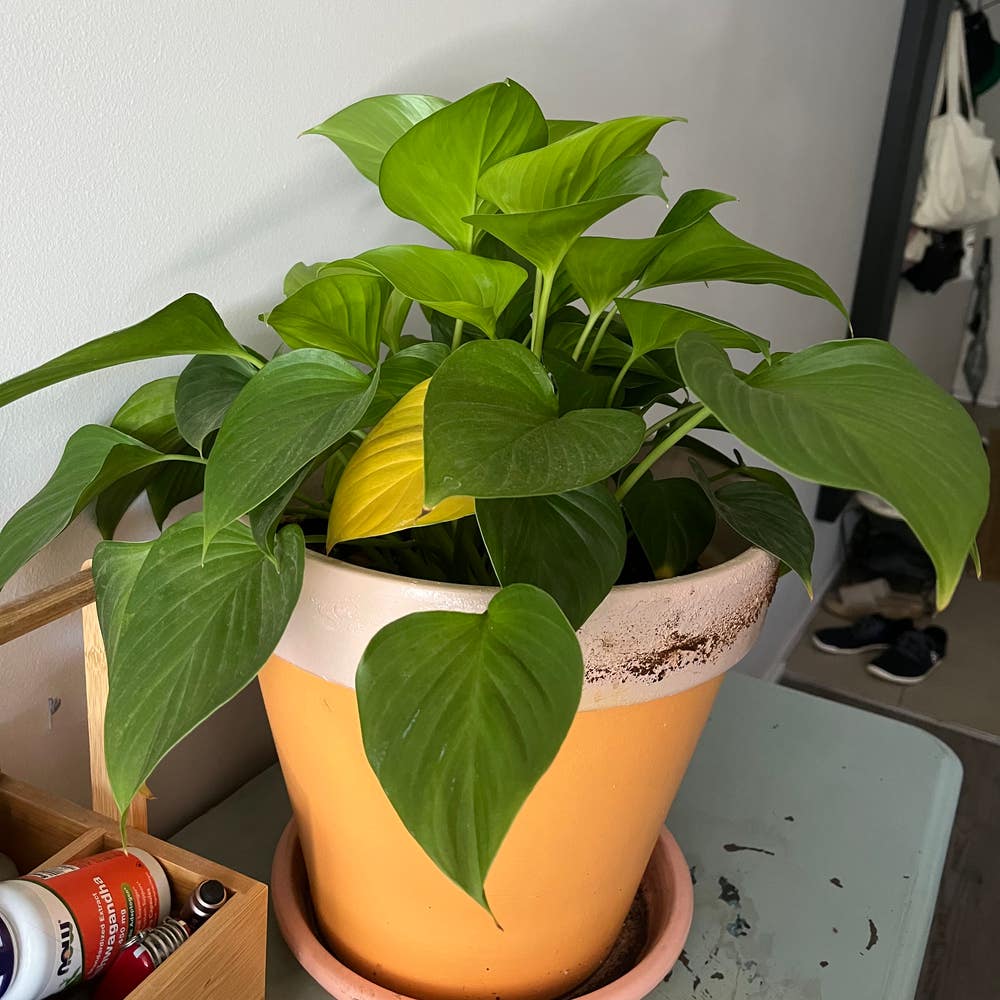
💧 Why Are My Red Arrow Leaf Leaves Mushy?
Homalomena pendula
By the Greg Editorial Team
Jun 15, 2024•3 min read
This article was created with the help of AI so we can cover more plants for you. May contain errors. See one? Report it here.
Rescue your Red Arrow Leaf from mushy peril with these lifesaving plant care tips! 🌿🚫💧
- 🚨 Overwatering? Look for wilting leaves and waterlogged soil.
- ✂️ Trim mushy leaves and roots to save your Red Arrow Leaf.
- 🌱 Proper soil, pot, and airflow prevent future mushiness.
Spotting Trouble: Signs Your Red Arrow Leaf is Too Wet
💧 Overwatering Symptoms
Wilting leaves and waterlogged soil are the plant's SOS. If your Red Arrow Leaf's home feels more like a swamp than a bed, it's time to dial back the watering.
🚱 Root Rot Red Flags
Discoloration and softness at the root level are the silent screams of root rot. Don't ignore roots that resemble overcooked vegetables; they're a clear distress signal.
🍄 Telltale Fungal Foes
Powdery or fuzzy growths on leaves are the calling cards of fungal invaders. Spot these, and it's high time for a plant health intervention.
First Aid for Mushy Leaves
🌱 Immediate Steps to Take
When your Red Arrow Leaf's leaves turn mushy, it's crunch time. Snip off the soggy parts with sterilized scissors to prevent the spread of any pathogens. It's like hitting the brakes on an infection highway.
🌿 Rescuing the Roots
Next up, it's root triage. Gently remove your plant from its pot and inspect the roots. If they're more brownie than root, trim the rot away. Then, repot in fresh, well-draining soil. It's like giving your plant a new lease on life.
💧 Drying Out: Balancing Moisture Levels
Finally, adjust your watering routine. Only water when the topsoil feels dry, like a stand-up comic's wit. If it's damp, put the watering can down. It's about finding that sweet spot where your plant neither drowns nor thirsts.
Upgrading Your Plant's Living Quarters
🌱 Soil and Pot Perfection
The right soil mix is like a VIP lounge for your plant's roots. Aim for one part peat moss, one part perlite, and one part vermiculite. This combo nails the drainage and aeration, keeping roots happy and preventing them from drowning in excess water. When it comes to pots, size matters. Drainage holes are a must-have feature; they're the escape routes for any overzealous watering. Choose a pot that's just right—Goldilocks style—not too big, not too small, to avoid waterlogged soil or cramped roots.
💨 Airflow is Your Friend
Think of good airflow as the social butterfly of plant care—it keeps everything fresh and disease-free. Rotate your pots to promote even growth and prevent any one side from becoming the plant equivalent of a wallflower. Place your Red Arrow Leaf where it can enjoy the life of the party without getting too hot under the collar—bright, indirect light is the sweet spot. Remember, when it comes to leaves, dry and healthy is the goal, so let that air circulate.
Keeping the Mush at Bay: Prevention Strategies
💧 Watering Wisdom
Watering your Red Arrow Leaf plant is like threading a needle; precision is everything. Check the soil before watering—dampness is a red flag. Water deeply but infrequently, encouraging roots to grow strong. A moisture meter isn't overkill; it's your secret weapon against overzealous watering.
🍄 Vigilance Against Fungus
Fungus loves moisture like a moth loves a flame. Space out your plants to prevent a fungal fiesta. If you spot any powdery or fuzzy uninvited guests, act fast. Cleanliness is your plant's armor; sterilize your tools and keep the foliage dry to avoid giving fungus a foothold.
🌱 Regular Root Check-ups
Roots are the plant's lifeline; treat them like VIPs. Incorporate root inspections into your routine, gently checking for signs of rot or distress. If you find mushiness, don't hesitate to perform surgery. Remember, healthy roots make for a robust plant.
⚠️ Safety First
This content is for general information and may contain errors, omissions, or outdated details. It is not medical, veterinary advice, or an endorsement of therapeutic claims.
Always consult a qualified healthcare professional before using any plant as food, medicine, or supplement.
Never eat any plant (or feed one to pets) without confirming its identity with at least two trusted sources.
If you suspect poisoning, call Poison Control (800) 222-1222, the Pet Poison Helpline (800) 213-6680, or your local emergency service immediately.
Spotted an error? Please report it here.
Snip, repot, and thrive 🌱 with your Red Arrow Leaf by using Greg's custom reminders to nail the perfect watering routine from these care tips!