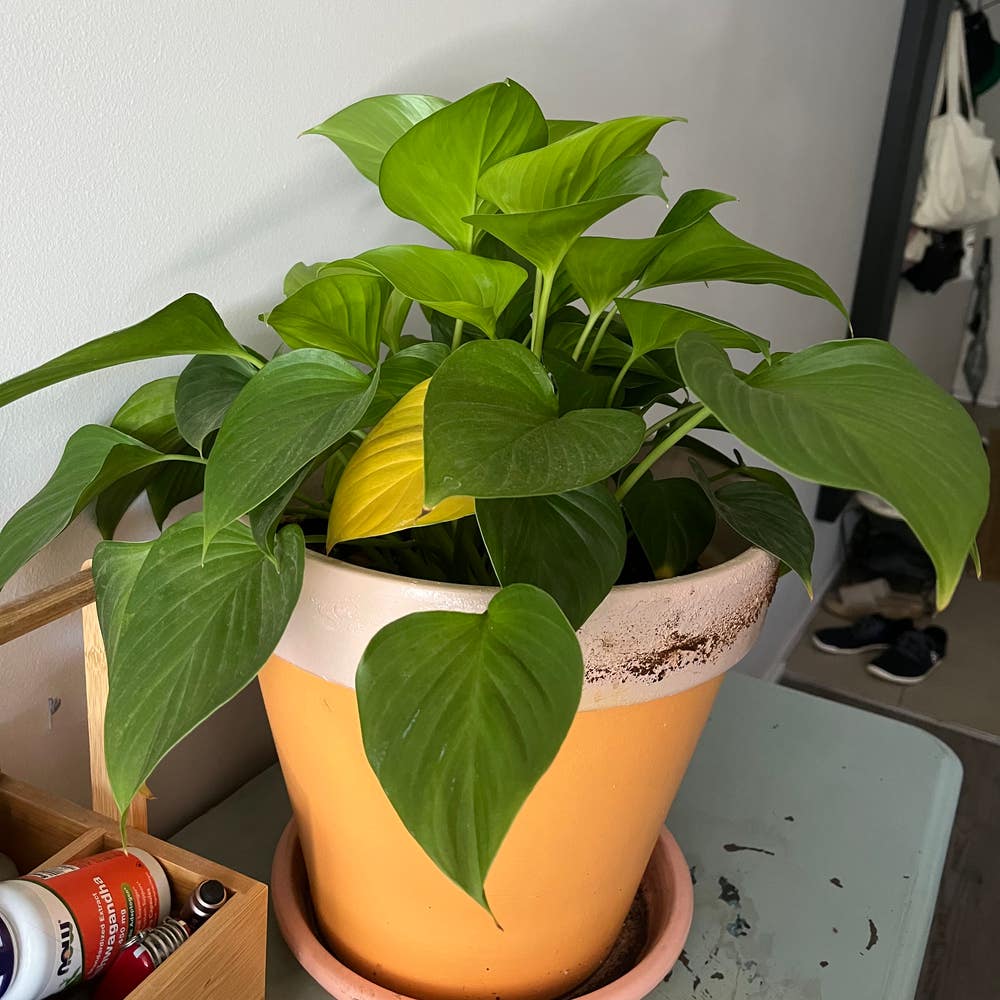
Why Are There Black Spots on My Red Arrow Leaf Leaves?
Homalomena pendula
By the Greg Editorial Team
Jun 15, 2024•6 min read
This article was created with the help of AI so we can cover more plants for you. May contain errors. See one? Report it here.
Solve the mystery 🕵️♂️ of black spots on Red Arrow Leaf leaves and save your plant's health!
- Black spots signal distress; inspect regularly for early detection.
- Fungi, bacteria, and stress are common causes; assess spots' texture and color.
- Prevent with airflow, less water, and cleanliness; treat with fungicides or bactericides.
Spotting the Culprit: Recognizing Black Spots
🕵️♂️ Visual Cues
Dark margins and concentric rings should raise your eyebrows. These black spots are more than mere blemishes; they're distress signals from your Red Arrow Leaf. Starting as tiny specks, often less than ⅛ inch in diameter, they can escalate to larger blotches if you turn a blind eye.
🌀 Patterns and Progression
Black spots are sneaky; they often begin their siege on the undersides of leaves, a prime spot for trouble to brew. They may seem insignificant at first, but without your intervention, these spots can spread like wildfire across the foliage. Keep a watchful eye on their growth and spread—it's crucial for tackling the problem effectively.
🕵️♂️ Initial Assessment
When you first notice these spots, it's time to play detective. Assess their texture—are they raised, sunken, or flat? This can be telling. Colors vary too, from jet black to a brownish hue with peculiar halos. Each detail is a piece of the puzzle.
👀 Routine Check-ups
Be vigilant. Regular inspections can catch these black spot culprits before they throw a party on your plant. Photograph your plant from different angles and compare over time to track the spread. It's like creating a timeline for your plant's unfortunate skin condition.
🚨 When to Worry
Not all black spots spell doom. A few here and there might be just cosmetic, but a spread or decline in overall health is your cue to spring into action. Remember, prevention is better than cure, so keep those routine checks on your calendar.
Narrowing Down the Causes
In the quest to pinpoint the black spot culprits on Red Arrow Leaf leaves, we're dealing with a lineup of usual suspects: fungal foes, bacterial bullies, and environmental stressors. Let's dive into the nitty-gritty of each.
🍄 Fungal Foes
Fungi love a good leaf party, and they're not shy aboufungi invadeeir mark. Septoria and powdery mildew are the ringleaders, thriving in that sweet spot of warmth and moisture. They're the types to sneak in thrCopper-based fungicidesaf wounds, setting up shop and spreading their signature bull's-eye patterned spots.
Conditions that Invite Fungal Parties
It's the classic case of too much of a good thing: overwatering and poor drainage are like open invitations to these fungal festivities. They're all about that high humidity life, so if your plant's leaves are constantly wet, you're basically rolling out the red carpet for them.
🦠 Bacterial Bullies
Bacterial leaf spot is the steabacterial leaf spotying under the radar until it's too late. Pseudomonas and Acidovorax are the culprits here, turning leaves into their personal canvases wicopper-based bactericideed lesions.
How BacteriTreat the soilinto Their Homes
These microscopic invaders love a stagnant, moist environment. Overwatering and lack of air movement are their best friends, helping them spread their slimy graffiti across your plant's foliage.
🌿 Environmental Stressors
Sometimes, the problem is justdrainage holesironmental stress. Overzealous watering and high humidity can lead to those dreaded blacUse fans while poor air circulation is like putting up a "no vacancy" sign for healthyclean around your plant of Air Circulation in Leaf Health Good air flow is like a breath of fresh air for your plants—it keeps the leaves dry and makes it tough for both fungal and bacterial parties to get started. So, if you're keeping your plant in a stagnant corner, it's time to rethink its location.
First Aid for Your Red Arrow Leaf
🍄 Fungicide to the Rescue
When fungi invade, choosing the right fungicide is like picking the right tool for a job. Look for products that target the spRemove fallen leaves dealing with. Copper-based fungicides are often recommended for their broad-spectrSterilize your tools### 💦 Application Tips for Best Results
- Read labels carefully; more is not always better.
- Apply duRed Arrow Leafurs to minimize plant stress.
- Ensure thorough coverage, himore shade and undersides of leaves.
- Repeat applications may be necessary; follow the schedule suggested on the product.
💊 Battling Bacteria
When and How to Remove Infected Leaves
- Immediately remove leaves with bacterial leaf spot using sterilized shears.
- Dispose of them off-site to prgood air circulation## 🦠 Safe AntibacterOvercrowding is the equivalent- Apply a copper-based bactericide to the remaining foliage.
- Treat the soil and nearby plants as a precaution.
- Stick to the maFine-tune your watering habitsdoOverwatering is like overeatingsting the Environment
Fine-Tuning Watering Habikeep the soil moistn the top inch of soil is dry to the touch.
- Avoid waterlogging; ensure your pot has drainage holes.
Improving Air Flow Around Your Plant
- Space plants to allow air circulation.
- Use fans if indoor air is stagnant, but avoid direct drafts on the plant.
- Regularly clean around your plant topotential pathogensiendly conditions.
Prevention: Keeping Black Spots at Bay
🕵️ Routine Checks: The Key to Early Detection
Regular inspections of your Red Arrow Leaf are like software updates for your computer: they keep things running smoothly. Look for the earliest signs of black spots; catching them now is easier than fixing a full-scale problem later.
🧼 Cleanliness and Care: Your Best Defense Strategies
Keep your plant's environment as tidy as a pin. Remove fallen leaves and debris promptly—think of it as daily dental flossing for your plant's health. Sterilize your tools after each use; it's basic hygiene but for plant care.
🍂 Adjust Your Care With the Seasons
Your Red Arrow Leaf's needs change with the seasons. Less water in the winter, more shade in the summer—it's about finding the right balance.
📝 Log Your Observations
Maintain a care log for your plant. Note any changes and adjust your care routine accordingly. If the black spots diminish, you're on track. If not, reassess and adapt.
💨 Air Circulation is Crucial
Ensure good air circulation around your plant. Overcrowding is the equivalent of a packed elevator in summer—uncomfortable and problematic. Give your plant room to breathe.
💧 Keep the Watering in Check
Fine-tune your watering habits. Overwatering is like overeating—it can lead to health issues. Water just enough to keep the soil moist but not soggy.
🧹 A Clean Plant is a Happy Plant
Finally, cleanliness is not just about aesthetics; it's a preventative measure. A clean plant is less likely to face the onslaught of black spots. Keep the area around your plant as clean as a whistle, and you'll be setting up a fortress against potential pathogens.
⚠️ Safety First
This content is for general information and may contain errors, omissions, or outdated details. It is not medical, veterinary advice, or an endorsement of therapeutic claims.
Always consult a qualified healthcare professional before using any plant as food, medicine, or supplement.
Never eat any plant (or feed one to pets) without confirming its identity with at least two trusted sources.
If you suspect poisoning, call Poison Control (800) 222-1222, the Pet Poison Helpline (800) 213-6680, or your local emergency service immediately.
Spotted an error? Please report it here.
Eradicate those pesky black spots 🍂 on your Red Arrow Leaf by following Greg's personalized care plans to optimize watering, airflow, and plant health.