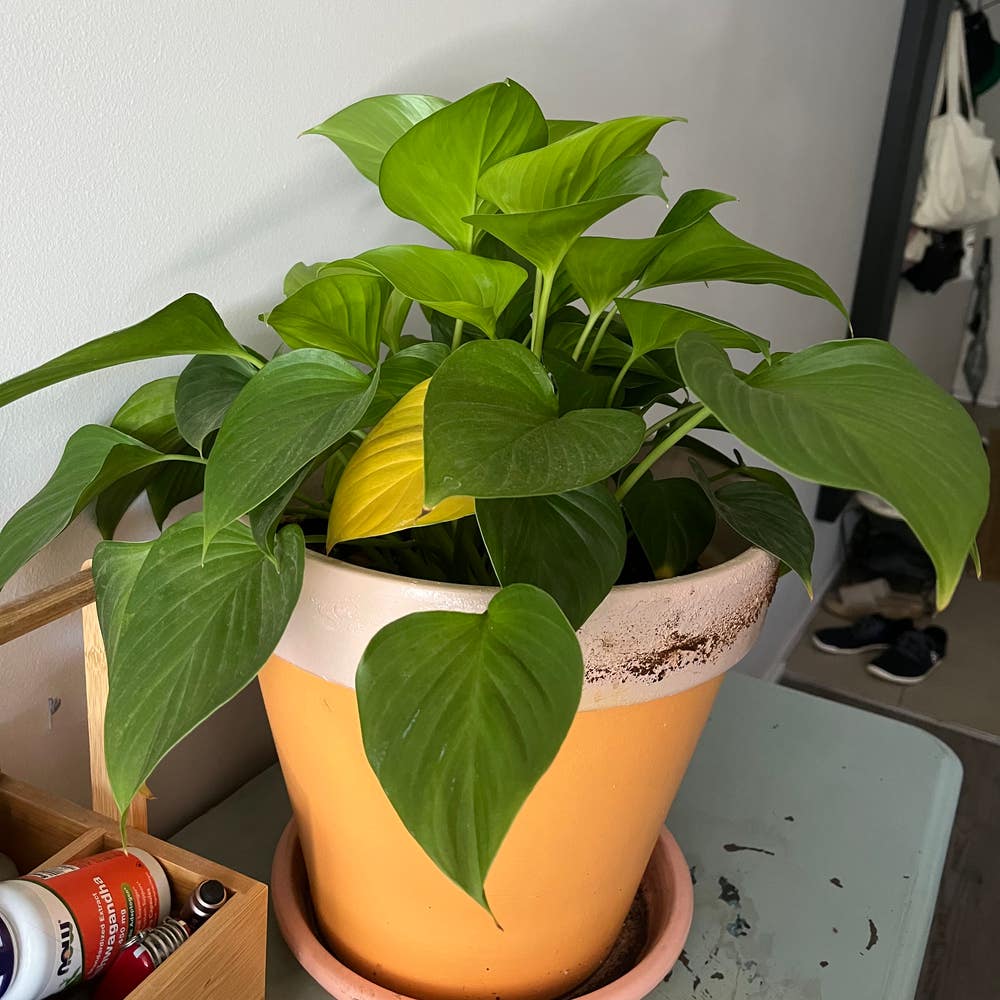
Red Arrow Leaf - Ultimate Guide to Fertilizing
Homalomena pendula
By the Greg Editorial Team
Jun 15, 2024•4 min read
This article was created with the help of AI so we can cover more plants for you. May contain errors. See one? Report it here.
Flourish your Red Arrow Leaf's growth and blooms with the ideal fertilization strategy. 🌿✨
- 🌱 Organic fertilizers are best for Red Arrow Leaf, enhancing soil and plant health.
- Fertilize in growing season for lush foliage and vibrant blooms; reduce in winter.
- Avoid over-fertilization; dilute doses and monitor for leaf scorch or yellowing.
Choosing the Right Fertilizer for Your Red Arrow Leaf
💡 Organic vs. Synthetic: What's Best for the Red Arrow Leaf?
Organic fertilizers are your garden's slow food movement. They break down leisurely, feeding your Red Arrow Leaf and enriching the soil ecosystem. Synthetic fertilizers are the quick snack—fast-acting, but with a salty aftertaste that can disrupt your plant's zen. For a Red Arrow Leaf, think organic to play the long game.
🍽️ The Lowdown on Slow-Release and Liquid Fertilizers
Slow-release fertilizers are the crockpots of plant nutrition—set it and forget it. They're ideal if you're not into the weekly feeding ritual. Liquid fertilizers, however, are the espresso shots your Red Arrow Leaf might crave during peak growth. They're quick to the punch, but you'll be on barista duty more often.
🌱 Key Nutrients for Robust Growth and Vivid Blooms
Your Red Arrow Leaf is a bit of a diva when it comes to nutrients. Nitrogen keeps its foliage lush, while phosphorus is behind those show-stopping blooms. Don't skimp on potassium; it's the plant's personal trainer, keeping it fit against diseases and drought. And let's not forget the backup singers—micronutrients like iron and manganese are crucial for that vibrant color palette.
Timing is Everything: When to Fertilize Your Red Arrow Leaf
🌱 Growth Spurts: Fertilizing in the Growing Season
Spring and summer are the Red Arrow Leaf's prime time. This is when you should bring out the fertilizer. Think of it as a growth fuel; your plant is ready to rev up and expand. During these seasons, a monthly feeding routine is your best bet. It's like hitting the gym for your plant – regular workouts for maximum gains.
❄️ Winter Woes: Adjusting Fertilization in Dormancy
Come winter, your Red Arrow Leaf is more sloth than sprinter. It's time to ease up on the feeding frenzy. The plant's metabolism is slowing down, so it's not scarfing down nutrients like it does in summer. Hold off on the fertilizer; think of it as respecting your plant's wish to hibernate. If you're tempted to fertilize, remember that overdoing it can be like offering a double espresso right before bedtime – not a great idea.
Fertilization Techniques: How to Feed Your Red Arrow Leaf
🌱 Getting the Mix Right: Dilution Ratios Explained
Half-strength solutions are the secret handshake of the Red Arrow Leaf fertilizing club. It's simple: take the package's recommended dose and slash it in half. This isn't about being cheap—it's about avoiding the nutrient equivalent of a food coma. Use a measuring cup or syringe for that mixologist-level precision.
⏰ Frequency Matters: How Often to Fertilize
Your Red Arrow Leaf craves consistency, not a feast-or-famine approach. During the growing season, think of fertilizing like a bi-weekly paycheck for your plant. Every two to four weeks should do the trick. But watch for signs of overindulgence—salt buildup or leaf discoloration—and pull back if needed. In winter, your plant's on a diet, so ease up and let it rest.
Recognizing and Fixing Over-Fertilization in Red Arrow Leaf
🚨 Spotting Trouble: Symptoms of Too Much Love
Over-fertilization can turn your Red Arrow Leaf's sanctuary into a toxic wasteland. Leaf scorch is a glaring sign; the edges and tips may look as if they've been through a trial by fire. Yellowing leaves and a growth spurt that suddenly hit the brakes are your plant's SOS signals. If you spot a white, crusty layer on the soil, that's the chemical alarm bell ringing loud and clear.
💊 The Recovery Plan: Steps to Heal an Over-Fertilized Plant
Caught in the act of over-loving your plant? Time to switch to rescue mode. Flush the soil with water to wash away excess fertilizer—think of it as a detox for your plant's roots. Ensure proper drainage; waterlogged soil is a no-go zone for recovery. Hold off on the nutrient pep talks; no more fertilizer until your plant has bounced back. Keep a close eye on your plant's progress, and remember, patience is key in the plant ER.
⚠️ Safety First
This content is for general information and may contain errors, omissions, or outdated details. It is not medical, veterinary advice, or an endorsement of therapeutic claims.
Always consult a qualified healthcare professional before using any plant as food, medicine, or supplement.
Never eat any plant (or feed one to pets) without confirming its identity with at least two trusted sources.
If you suspect poisoning, call Poison Control (800) 222-1222, the Pet Poison Helpline (800) 213-6680, or your local emergency service immediately.
Spotted an error? Please report it here.
Nurture your Red Arrow Leaf to perfection with organic insights, and count on Greg 🌿 for timely reminders that keep your green friend thriving, not just surviving.