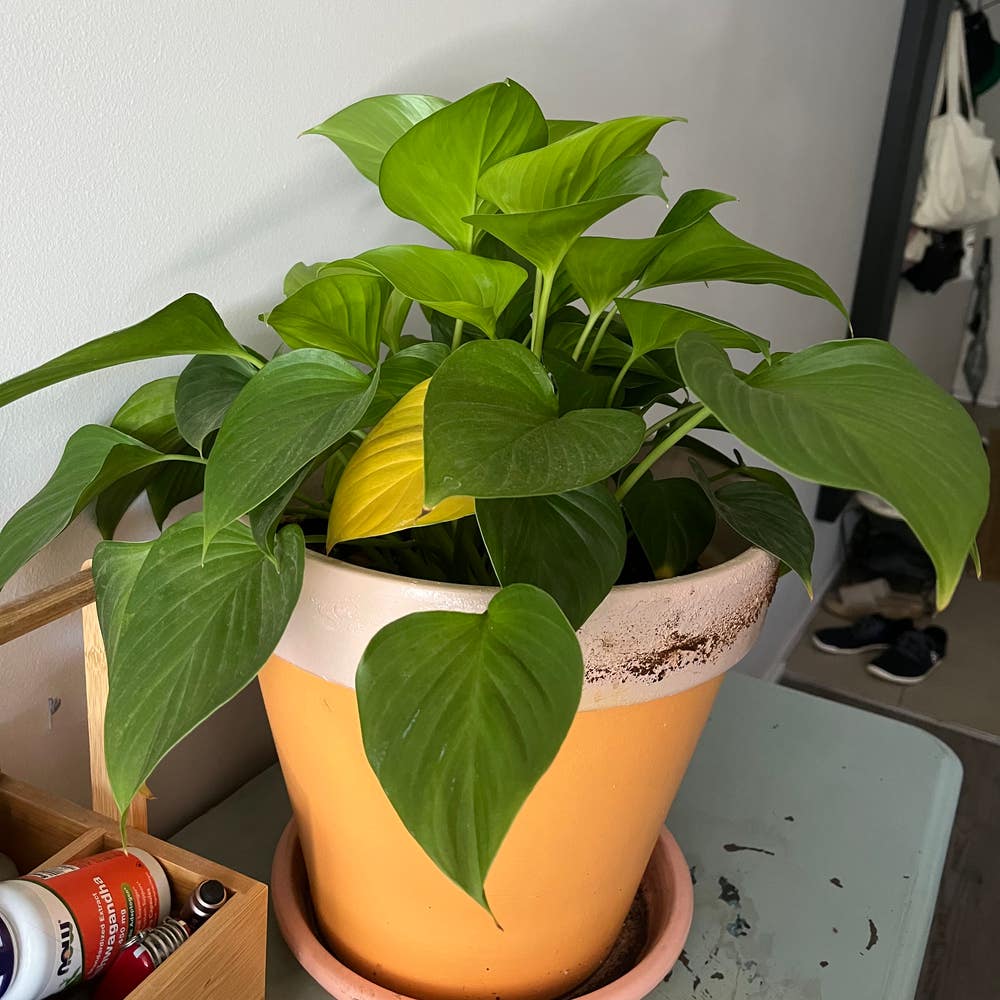
How to Prune Red Arrow Leaf
Homalomena pendula
By the Greg Editorial Team
Jun 15, 2024•5 min read
This article was created with the help of AI so we can cover more plants for you. May contain errors. See one? Report it here.
Shape a lush Red Arrow Leaf 🍃 and propagate with ease using this definitive pruning guide.
- 🌱 Spring pruning promotes growth, trim when plant is in growth phase.
- ✂️ Use sharp, sterilized tools for clean cuts, prune up to 25%.
- 🌿 Shape, propagate, and monitor for bushier plants and successful recovery.
Best Times to Snip: When to Prune Your Red Arrow Leaf
🌱 Seasonal Pruning Tips
Spring ushers in the growth phase for your Red Arrow Leaf, making it the ideal time to prune. Winter is a no-go; the plant is dormant, and pruning could stress it out.
🌿 Growth Stage Cues
Leggy stems scream for a trim, and yellowing leaves are like red flags signaling it's time to snip. Damaged leaves are just dead weight; cutting them helps the rest of the plant thrive. If your Red Arrow Leaf's lushness is lacking, grab those shears.
Pruning Techniques: Making the Right Cut
🛠️ Tools of the Trade
Sharpness is your best friend when it comes to pruning tools. Go for pruning shears or scissors that can make precise, clean cuts. Before you start, sterilize your tools with rubbing alcohol or a bleach solution. Think of it as hand sanitizer for your plant's health.
📝 Step-by-Step Pruning Guide
First, suit up with protective gloves to avoid any nasty surprises from hidden spines. Inspect your Red Arrow Leaf for damaged or diseased growth—these areas may appear discolored or shriveled. Plan your cuts to maintain the plant's natural shape while removing unwanted growth. Snip the affected areas at their base, careful not to harm the healthy tissue. Dispose of the trimmings properly to prevent disease spread.
🌿 Dealing with Overgrowth
When your Red Arrow Leaf gets a bit too enthusiastic, it's time to tame the wild vines. Trim more in dense areas to even out the silhouette, but remember—no more than 25% at a time. It's a trim, not a complete makeover. After you're done, clean your tools again. It's like brushing your teeth after a meal; it keeps things fresh for next time.
Pruning with Purpose: Encouraging Bushier Growth
✂️ Trimming for Fullness
To avoid leggy growth and promote a lush, compact Red Arrow Leaf, strategic trimming is key. Snip stems just above a leaf node to encourage new shoots. This method redirects the plant's energy from stretching to sprouting, fostering a fuller appearance. Balance is crucial; trim more in dense areas to maintain an even silhouette, but never remove more than 25% of the plant at once.
🌳 The Art of Shaping
Shaping a Red Arrow Leaf is less about random cuts and more about intentional snips. Use reduction pruning to control size and direct new growth by trimming back to a bud facing the desired direction. It's a clear signal to your plant: "Hey, grow this way!" For a truly bushy comeback, vary your cuts—some by a quarter, others by half—to stimulate dense growth. Remember, you're not just cutting; you're crafting an aesthetic masterpiece.
Pruning Meets Propagation: Grow Your Collection
🌱 Cuttings for New Plants
Pruning your Red Arrow Leaf isn't just about maintenance—it's your ticket to expanding your indoor jungle. Let's cut to the chase on how to turn trimmings into treasures.
🌿 Select Your Cuttings
Healthy stems are your propagation MVPs. Look for non-flowering ones with at least two nodes; these are the starting blocks for new growth. Snip just below a node, because that's where the magic happens.
🌱 Prepping Your Cuttings
Once you've got your cuttings, it's time for some TLC. Strip the leaves near the bottom to expose a node—your future root zone. For the remaining leaves, consider a half-cut to reduce water loss and focus energy on root development.
🌱 Rooting for Success
You've got options: water or soil. For water rooting, submerge the node in water, and change it every few days to keep it fresh. Soil fans, dip the end in rooting hormone and nestle it into moist soil. Either way, patience is your new best friend.
🌱 Aftercare for Success
Create a mini greenhouse with a plastic bag to lock in moisture and warmth. It's like a spa for your cuttings. Keep them in indirect light and resist the urge to poke and prod. Roots don't grow overnight, but when they do, it's plant-parent pride like no other.
🌱 Transition Time
Once roots have formed, it's time to graduate your cutting to soil. Be gentle—those new roots are as delicate as a house of cards. With the right care, your cutting will soon be a new Red Arrow Leaf, ready to join the ranks of your leafy legion.
After the Snip: Ensuring a Speedy Recovery
🌱 Post-Pruning Care Tips
After pruning your Red Arrow Leaf, immediate care is crucial. Water the plant sparingly; its needs have decreased now that it has fewer leaves to support. Keep the soil slightly on the dry side, waiting until the top inch is dry before watering again.
Light is another key factor. Provide bright, indirect light to encourage recovery, but steer clear of direct sunlight which can be too harsh for a freshly pruned plant.
Cleanliness is next to godliness here, so remove any fallen leaves to prevent disease.
👀 Watchful Eye: Monitoring Post-Prune Health
Stay vigilant. New growth is a high-five from your plant, signaling a job well done. If you spot wilting or discoloration, it's time to play plant detective. Adjust the watering schedule or the plant's position relative to light sources as needed.
Pests and diseases love a weakened plant, so regular inspections are non-negotiable. Think of it as preventative medicine for your leafy friend.
Hold off on fertilizing immediately after pruning; your plant isn't ready for a full meal. A light snack, like a vitamin B complex, can be a soothing treat for the roots.
Remember, patience is a virtue. Recovery doesn't happen overnight, but each new sprout is a reason to celebrate. Keep those shears clean and sharp for the next round.
⚠️ Safety First
This content is for general information and may contain errors, omissions, or outdated details. It is not medical, veterinary advice, or an endorsement of therapeutic claims.
Always consult a qualified healthcare professional before using any plant as food, medicine, or supplement.
Never eat any plant (or feed one to pets) without confirming its identity with at least two trusted sources.
If you suspect poisoning, call Poison Control (800) 222-1222, the Pet Poison Helpline (800) 213-6680, or your local emergency service immediately.
Spotted an error? Please report it here.
Trim your Red Arrow Leaf to encourage bushier growth this spring ✂️ with Greg's custom care reminders, ensuring you make the right snips at the optimal time.