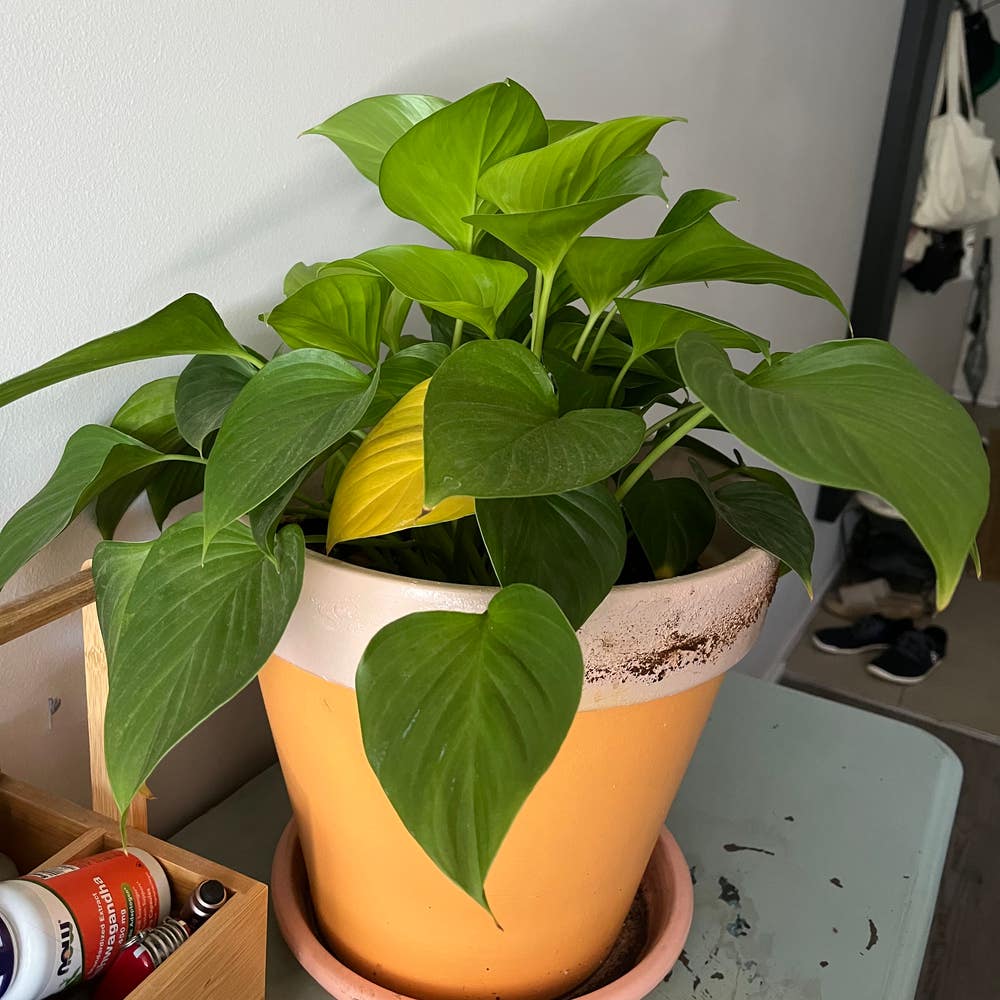
Should I Repot My Red Arrow Leaf And If So, How?
Homalomena pendula
By the Greg Editorial Team
Jun 15, 2024•5 min read
This article was created with the help of AI so we can cover more plants for you. May contain errors. See one? Report it here.
Ensure your Red Arrow Leaf flourishes 🌿 by mastering the timely art of repotting.
- Roots circling or escaping? Time to repot your Red Arrow Leaf.
- 🌱 Spring repotting aligns with the plant's growth cycle.
- Terracotta or ceramic pots are best for healthy roots.
Spot the Clues: When Your Red Arrow Leaf is Screaming for Space
🚨 Root Tango in a Tiny Tango
Roots circling the interior of the pot or making a break for it out of drainage holes are red alerts. Your Red Arrow Leaf is not trying to escape; it's cramped and needs more space. Compacted soil is another telltale sign; it's like your plant is living in a straightjacket, restricting nutrient and water uptake.
💧 Watering Woes and Sluggish Growth
When water zips through the pot, it's not a magic trick—it means there's more root than soil. Your plant is parched for space. If the soil is so compacted it could pass for a fossil, or so loose it can't retain water, your plant is sending an SOS. A slowdown in growth or leaves that seem perpetually under the weather are your plant's way of saying, "I'm too big for my britches."
Choosing the Best Season for the Big Move
🌱 Syncing with Growth Cycles
Spring is prime time for repotting your Red Arrow Leaf. This season is when the plant kicks into high gear, making it more receptive to the changes repotting brings. Growth seasons matter because they ensure your plant has the energy and resources to recover and thrive in its new pot.
❄️ The Risks of Winter Repotting
Winter is the Red Arrow Leaf's time to chill—literally. It's a period of dormancy, where the plant conserves energy. Repotting during this time is like asking someone to run a marathon right after they've woken up. The plant's not ready, and it won't thank you for the disruption. Avoid winter repotting to prevent stressing your plant when it's not equipped to handle it.
The Repotting Rundown: A Step-by-Step Guide
🏡 Prepping the New Home
Size matters when selecting a new pot. Aim for a pot that's just a couple of inches larger in diameter than the old one. This gives your Red Arrow Leaf room to grow without swimming in soil. Ensure it has drainage holes; roots despise soggy living conditions.
Fresh soil mix isn't just dirt; it's the life support of your plant. Opt for a well-draining mix with a dash of compost for a nutrient boost. Think of it as a soil spa for your plant's roots.
🌱 The Gentle Uproot
Time to evict your plant from its cramped quarters. Gently squeeze the pot to loosen the grip, then coax the plant out with a firm yet tender touch. If it's stubborn, roll the pot to break the soil's embrace.
Inspect the roots like a detective. If they're circling the pot like a constrictor snake, it's time for a trim. Snip the dead ends with clean, sharp shears, but treat the living roots with the reverence they deserve.
🏠 Settling into the New Pot
Create a welcoming base layer of fresh soil in the new pot. Center your plant, ensuring it's not too deep to avoid stem rot or too shallow to feel exposed. Backfill with more soil, tapping gently to settle without compacting.
Watering is the inaugural handshake between plant and new pot. Do it well to establish good relations, but don't drown the poor thing. It's a delicate balance, like making the perfect cup of tea.
Picking the Perfect Pot: Material Matters
🌱 Breathability and Moisture Management
Terracotta pots are champions of breathability, offering your Red Arrow Leaf the luxury of air flow that keeps roots healthy and dry. They're like the plant world's version of breathable running shoes. Ceramic pots, while less porous, still allow for some air exchange and are better at retaining moisture, which can be a plus if you're prone to under-watering.
🎨 Weighing Aesthetics Against Functionality
Sure, you want your pot to look good, but don't sacrifice your plant's well-being for style. Terracotta brings a classic, earthy look to your space, but they're heavy and can be a hassle to move. Ceramic pots come in a myriad of designs, adding a splash of elegance, but they can be weighty and fragile. Plastic pots may not win any design awards, but they're lightweight and practical, especially if you're always rearranging your plant family.
🚫 What to Avoid
Avoid materials that are more foe than friend to your Red Arrow Leaf. Glass and metal pots may look chic, but they often lack proper drainage, leading to waterlogged soil and unhappy roots. And while fabric pots offer excellent drainage and air pruning, they dry out quickly and may demand more frequent watering, which could be a deal-breaker if you're not the most attentive plant parent.
Immediate Aftercare: Helping Your Plant Thrive Post-Repot
💧 The First Watering
After repotting, timing is everything. Water your Red Arrow Leaf when the top inch of soil feels dry. This could be immediately after repotting or a day later, depending on soil moisture. Aim for a happy medium—soil should be moist, not waterlogged.
☀️ Location, Location, Location
Choose a spot for your plant that offers bright, indirect sunlight. Direct rays can be harsh, so think gentle morning light or filtered afternoon sun. Keep the temperature steady; avoid places with drafts or sudden temperature changes.
👀 Monitoring and Adjusting
Keep an eye out for drooping leaves or discoloration. These are SOS signals from your plant. Adjust your care routine accordingly. If the leaves perk up, you're on track; if not, reassess light and watering. It's like a dance, and you're leading—stay attuned to your plant's rhythm.
⚠️ Safety First
This content is for general information and may contain errors, omissions, or outdated details. It is not medical, veterinary advice, or an endorsement of therapeutic claims.
Always consult a qualified healthcare professional before using any plant as food, medicine, or supplement.
Never eat any plant (or feed one to pets) without confirming its identity with at least two trusted sources.
If you suspect poisoning, call Poison Control (800) 222-1222, the Pet Poison Helpline (800) 213-6680, or your local emergency service immediately.
Spotted an error? Please report it here.
Repot your Red Arrow Leaf with confidence and let Greg's customized care reminders 🌿 ensure it flourishes in its new pot by tracking its unique needs as it grows.