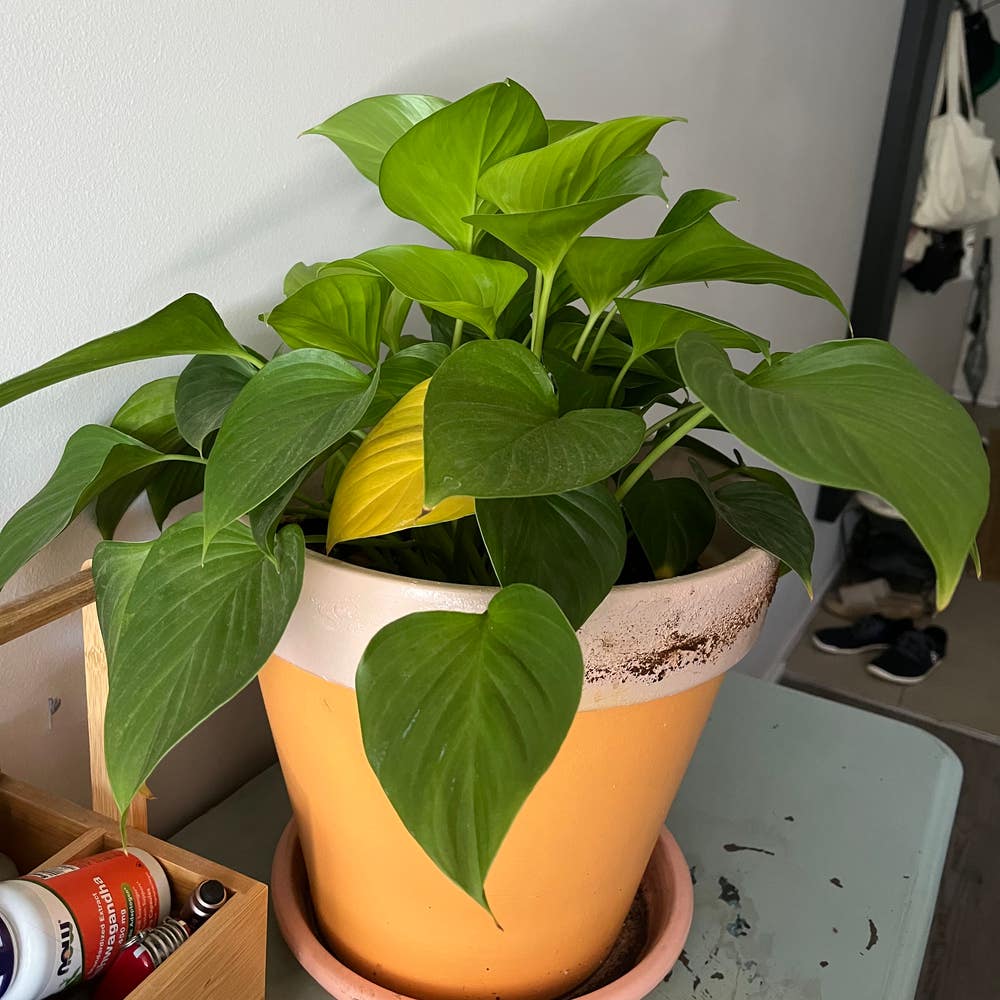
How Often Should I Water My Red Arrow Leaf?
Homalomena pendula
By the Greg Editorial Team
Jun 15, 2024•3 min read
This article was created with the help of AI so we can cover more plants for you. May contain errors. See one? Report it here.
Nurture a lush Red Arrow Leaf with the perfect watering rhythm—your green thumb awaits! 🌿👍
- Check soil moisture before watering to prevent over/under-watering.
- Adjust watering for home climate and plant placement.
- Create a flexible schedule that adapts to plant growth and seasons.
When to Water: Reading Your Plant's Thirst Cues
💧 Checking Soil Moisture
Before you water your red arrow leaf, check the soil. The knuckle rule is simple: if the soil is dry up to your second knuckle, it's time to hydrate. Alternatively, a moisture meter or even a humble chopstick can become your go-to gadgets for gauging dryness.
🌿 Observing Plant Signals
Your plant's leaves are like a mood ring, changing to show its needs. Drooping leaves are a cry for water, but if they're yellow or mushy, you've gone overboard. It's a delicate balance, but your plant's appearance is a reliable guide to getting it just right.
Tailoring Watering to Your Environment
💧 Home Humidity and Temperature
Adjusting your watering routine to your home's climate is crucial for red arrow leaf care. High humidity means you can ease up on watering, while dry air signals it's time to hydrate. Seasonal changes also impact your plant's thirst; as temperatures drop in winter, your plant's water needs diminish.
🌞 Light and Location
Sunlight and plant placement are big players in the watering game. A red arrow leaf in a bright spot will guzzle more water than one in a shadier nook. Remember, it's not about a rigid schedule; it's about responding to your plant's environmental cues with vigilance.
The Perfect Sip: Watering Methods and Best Practices
💦 Watering Techniques for Happy Roots
Deep watering is your plant's best friend. Aim to saturate the soil, allowing water to reach the roots, but stop before you create a miniature swamp. Top-down watering, emulating a soft rain, is the way to go. Ensure the water isn't just wetting the surface; it should reach the deeper soil layers where the roots hang out.
🚰 Avoiding Common Pitfalls
Drainage holes are non-negotiable. They're the escape route for excess water, preventing your red arrow leaf from suffering a soggy demise. If you're not using a pot with holes, you're basically giving your plant a pair of concrete shoes. And nobody wants that. Consider a layer of gravel or broken pottery at the bottom of the pot to enhance drainage and keep those roots breathing easy.
The Balancing Act: Creating a Consistent Watering Schedule
💧 Establishing a Routine
Crafting a watering schedule for your red arrow leaf is like setting a coffee date with your plant. It's not about rigidly watering every Wednesday; it's about syncing with your plant's needs. Consistency is key, but don't ignore the signs—adjust when necessary.
🌱 Adapting to Your Plant's Growth
As your red arrow leaf grows, its thirst will change. Seasons shift, and so does your plant's water demand—less in winter, more in summer. It's a dance, not a march. Stay observant and be ready to tweak your routine in response to your plant's feedback.
⚠️ Safety First
This content is for general information and may contain errors, omissions, or outdated details. It is not medical, veterinary advice, or an endorsement of therapeutic claims.
Always consult a qualified healthcare professional before using any plant as food, medicine, or supplement.
Never eat any plant (or feed one to pets) without confirming its identity with at least two trusted sources.
If you suspect poisoning, call Poison Control (800) 222-1222, the Pet Poison Helpline (800) 213-6680, or your local emergency service immediately.
Spotted an error? Please report it here.
Let Greg adapt your watering 🌿 schedule to your Red Arrow Leaf's changing needs, ensuring it stays lush without you ever over or under-watering.