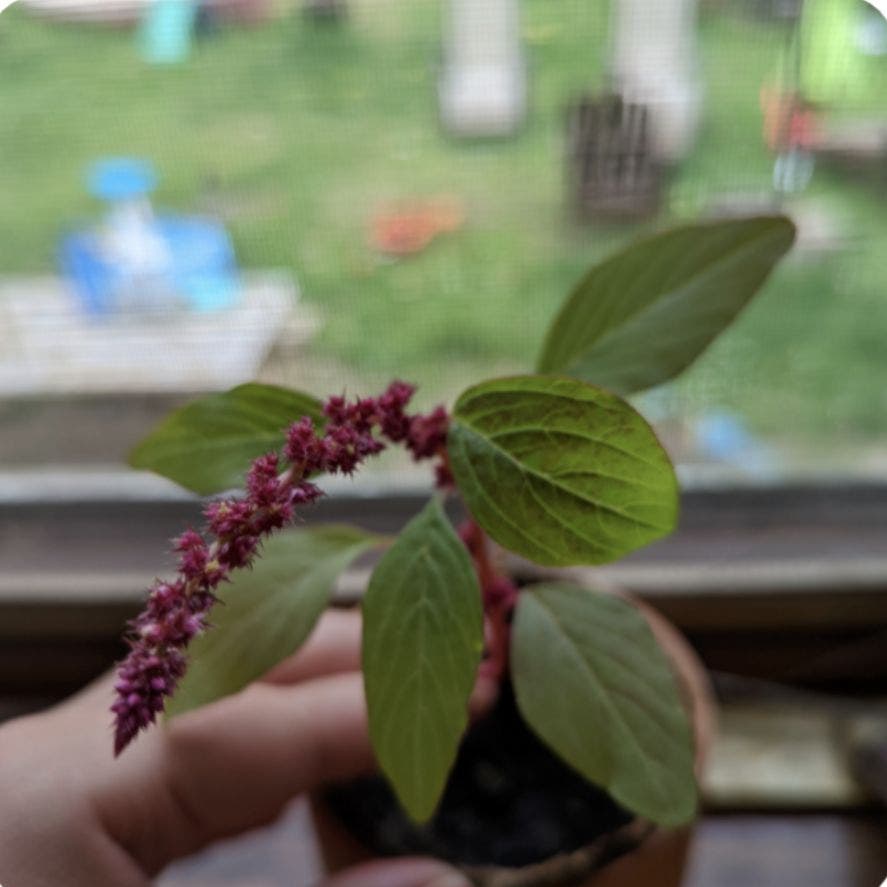
How Do I Fix Prostrate Pigweed Root Rot?
Amaranthus albus
By the Greg Editorial Team
Mar 27, 2024•4 min read
This article was created with the help of AI so we can cover more plants for you. May contain errors. See one? Report it here.
- Wilting, yellowing leaves and stunted growth signal root rot in pigweed.
- Immediate action: Remove damaged roots, apply fungicides, adjust watering.
- Prevent root rot with well-draining soil, proper watering, and regular root checks.
Spotting the Trouble Signs
🚩 Visual Symptoms on Leaves and Stems
Wilting and yellowing leaves are the plant's white flags; they're not just trying out a new autumn look. If your Prostrate Pigweed is looking more like a salad left out in the sun, it's time to take action. Stunted growth is another telltale sign that your plant is calling for help, not just taking a growth hiatus.
🕵️ Checking the Roots
To check the roots, think of yourself as a plant doctor conducting a physical. Healthy roots should be firm and white, not resembling overcooked pasta. If they're brown and mushy, that's a red flag for root rot. A foul smell is the final nail in the coffin, confirming that your plant's foundation is in crisis.
Immediate Response to Root Rot
🌱 Removing Damaged Roots
Upon detecting root rot in your prostrate pigweed, immediate action is crucial. Start by gently extracting the plant from its pot, taking care not to exacerbate any damage. Carefully remove excess soil from the roots, preferably under running water, to reveal the compromised areas.
Sterilized scissors or shears are your tools of choice for the next step. Snip away the soft, brown, or otherwise suspect roots. Be thorough yet conservative; you want to remove all the rot without unduly reducing the plant's root mass. After pruning, it's wise to balance the plant by trimming an equivalent proportion of the foliage. This helps the plant to focus its energy on regenerating healthy roots.
🦠 Fungicidal Solutions
Once the damaged roots are removed, it's time to think about preventing reinfection. Dip the remaining healthy roots in a copper-based fungicide solution. This acts as a shield against lingering pathogens eager to attack the vulnerable roots.
When applying fungicides, follow the label instructions meticulously. Overuse can be as detrimental as neglect. After treatment, repot your pigweed in fresh, sterile potting mix and ensure the pot is clean to avoid reintroducing any diseases.
Remember, the key to overcoming root rot is swift, decisive action coupled with proper aftercare. Keep an eye on your plant's progress and adjust care routines as it recovers.
Reviving Your Pigweed
💧 Adjusting Watering Habits
Prostrate Pigweed thrives when not drowning in water. To avoid soggy soil, let the earth dry out before giving your green buddy another drink. Check the top inch of soil; if it's dry, it's time to water. This simple poke test can save your plant from root rot's clutches.
🌱 Enhancing Soil and Drainage
Organic matter is your soil's best friend. Mix in coco coir or compost to increase nutrient content and improve moisture retention. For drainage, perlite or vermiculite are your go-to amendments. Just a handful can transform your regular potting mix into a well-draining haven for your Pigweed's roots. Remember, a yearly pot refresh can keep your plant well-fed without the need for additional fertilizer.
Keeping Root Rot at Bay
💧 Watering and Soil Management
Establishing a routine for watering and soil checks is your first line of defense against root rot. It's about precision, not guesswork. Monitor the soil's moisture level before each watering—your plant's thirst varies with the seasons and its growth stages.
🎯 Smart Watering Tactics
Watering should be a thoughtful process. Check the top inch of soil; if dry, it's time to water. If not, hold off. Overwatering is a cardinal sin in plant care. Consider drip irrigation for a more controlled approach, delivering water directly to the roots without excess.
🌱 Soil and Environmental Management
Choose a well-draining soil mix and ensure your pot has drainage holes. It's like setting up a good drainage system in a house—preventing water from pooling where it shouldn't. Adjust your watering schedule as the weather changes; plants drink differently throughout the year.
🌿 Plant Health and Vigilance
Keeping an eye on your plant's health can prevent issues from escalating. Regular inspections of the root system are as crucial as the daily scroll through your social media feed.
📊 Monitoring and Adjusting
Use tools like a moisture meter or the classic finger test to gauge the soil's wetness. Rotate your plant to promote even growth and prevent lopsidedness, which can be a sign of distress.
🚫 Preventative Measures
Prevent root rot by ensuring good air circulation and avoiding wet leaves during watering. Cleanliness is key—sterilize your tools to prevent the spread of pathogens. It's like washing your hands for your plant's sake.
By staying vigilant and adjusting care practices, you can keep root rot at bay and ensure the health and vigor of your prostrate pigweed.
⚠️ Safety First
This content is for general information and may contain errors, omissions, or outdated details. It is not medical, veterinary advice, or an endorsement of therapeutic claims.
Always consult a qualified healthcare professional before using any plant as food, medicine, or supplement.
Never eat any plant (or feed one to pets) without confirming its identity with at least two trusted sources.
If you suspect poisoning, call Poison Control (800) 222-1222, the Pet Poison Helpline (800) 213-6680, or your local emergency service immediately.
Spotted an error? Please report it here.
Banish root rot and ensure your prostrate pigweed thrives with Greg's 🚨 custom alerts for smart watering and soil care, keeping your green friends healthy and happy.