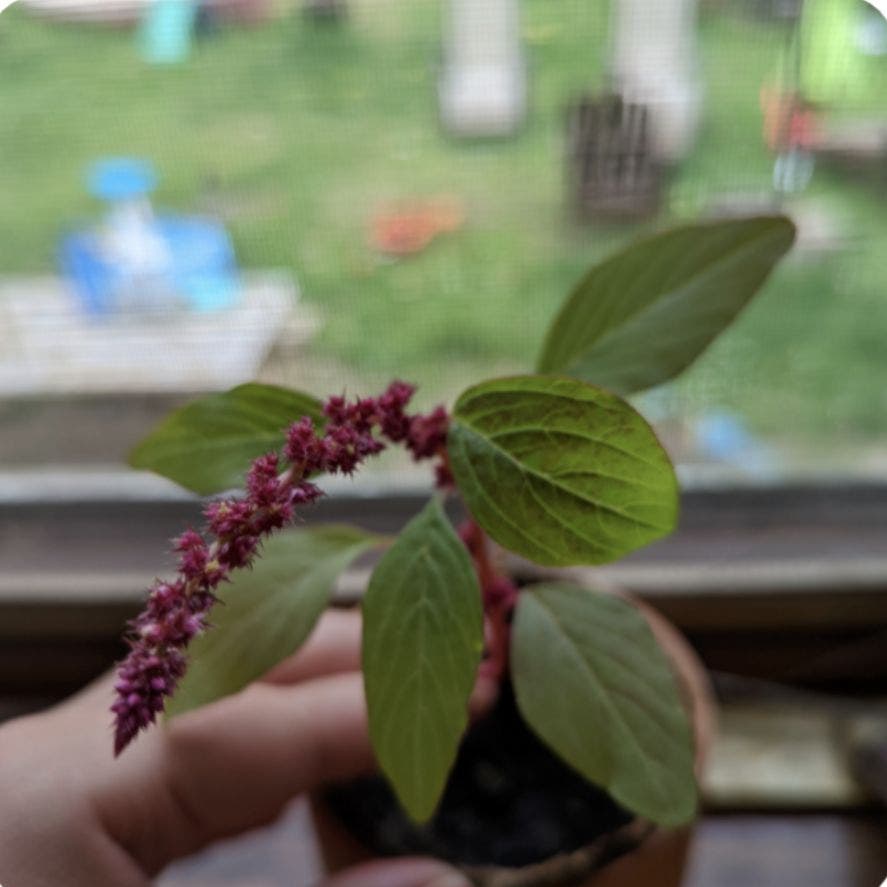
Best Humidity Levels for Prostrate Pigweed
Amaranthus albus
By the Greg Editorial Team
Jul 21, 2024•5 min read
This article was created with the help of AI so we can cover more plants for you. May contain errors. See one? Report it here.
- 🌱 Optimal humidity for Pigweed: 35-75% RH for health and growth.
- 💧 Monitor and adjust humidity with hygrometers and humidifiers.
- 🌀 Manage air flow to combat excess humidity and stress signs.
Prostrate Pigweed Humidity Needs
🌿 Optimal Humidity Range
Prostrate Pigweed, a resilient and adaptable plant, has specific humidity preferences for optimal health.
- The ideal humidity range for Prostrate Pigweed is between 35% and 75% relative humidity (RH).
- Within this spectrum, the plant maintains robust growth and healthy leaves, avoiding the common pitfalls of too low or too high moisture levels.
🌱 Humidity's Role in Pigweed Health
Relative humidity significantly influences Prostrate Pigweed's vital functions, such as transpiration and nutrient absorption.
- Proper RH levels ensure efficient transpiration, helping the plant to cool itself and facilitating the uptake of nutrients and water from the soil.
- Temperature does play a role in how Prostrate Pigweed experiences humidity, but the primary focus for caregivers should be on maintaining the RH within the sweet spot.
Assessing Your Environment
🌡️ Measuring Local Humidity
To ensure your Prostrate Pigweed flourishes, you'll need to become familiar with the humidity levels it craves. A hygrometer is an indispensable tool for this task, offering a clear readout of moisture in the air. Here's how to use it effectively:
- Place the hygrometer in close proximity to your Pigweed, avoiding direct sunlight and drafts that could skew the reading.
- Monitor at various times throughout the day to capture fluctuations in humidity, as indoor levels can vary significantly from morning to night.
🌿 Adjusting to Local Conditions
Adapting to the ebb and flow of seasonal humidity is critical for Prostrate Pigweed care. Here's what to watch for and how to respond:
- Seasonal Changes: Expect higher humidity in summer and lower in winter. Adjust your care routine to accommodate these shifts.
- Signs of Humidity Stress: Keep an eye out for wilting or brittle leaves, which can indicate the need for a humidity boost, or mold and mildew, which suggest excess moisture.
- Local Weather: Use local forecasts as a guide, but trust your hygrometer for the most accurate indoor readings, and adjust your plant care accordingly.
Increasing Humidity for Pigweed
💦 DIY Humidity Solutions
Prostrate Pigweed thrives in a humid environment, and there are simple ways to achieve this at home.
- Water Trays: Place a tray filled with water and pebbles beneath your Prostrate Pigweed's pot. The evaporation process will naturally increase the humidity around the plant, mimicking its preferred conditions.
- Misting: A fine mist can temporarily boost the humidity for your Prostrate Pigweed. It's important to mist sparingly to avoid over-saturation, which can lead to fungal issues.
- Group Planting: Positioning your Prostrate Pigweed alongside other plants can create a shared microclimate. This collective transpiration from the group will elevate the local humidity, benefiting all the plants involved.
- Terrariums: For those who enjoy crafting plant environments, a terrarium can provide consistent high humidity. This enclosed space captures and recycles moisture, creating an ideal humid habitat for Prostrate Pigweed.
🌬️ Using Humidifiers
For a more controlled approach to humidity, technology can lend a hand.
- Humidifier Selection: Choose a humidifier that suits the size of your space and has adjustable settings. This allows you to fine-tune the humidity levels specifically for your Prostrate Pigweed's needs.
- Positioning: Place the humidifier close enough to the plant to effectively raise the moisture level, but not so close that it creates wet conditions on the leaves or soil surface.
- Consistency: Use a hygrometer to monitor the humidity levels around your Prostrate Pigweed. Keeping the humidity consistent is key, as fluctuations can stress the plant and affect its growth.
Managing Excess Humidity
🌬️ Improving Air Circulation
Prostrate Pigweed thrives in a balanced environment, but too much humidity can spell trouble. Here's how to keep the air moving:
- Position fans strategically to create a gentle breeze, ensuring moisture doesn't settle on leaves and lead to fungal diseases.
- Open windows to introduce fresh air, especially on dry days, to naturally lower indoor humidity levels.
💨 Dehumidifying Techniques
When natural methods fall short, technology steps in to protect your Prostrate Pigweed:
- Use dehumidifiers to actively remove excess moisture from the air, especially in consistently damp environments.
- Consider natural absorbents like charcoal or silica gel as a low-tech solution to gradually reduce indoor humidity.
Maintaining Ideal Humidity
Prostrate Pigweed's vitality hinges on striking the right humidity balance. Here's your go-to guide for daily care and adjustment.
- Start each day with a hygrometer reading to assess the ambient humidity. Aim for the sweet spot, which typically falls within the moderate range.
- Observe your Prostrate Pigweed for telltale signs of humidity distress:
- Crispy, dry leaf edges may indicate low humidity.
- Overly soft or yellowing leaves can signal excessive moisture.
To keep humidity levels in check:
- Use a pebble tray or misting to gently increase moisture when the air feels too dry.
- Group plants together to create a microclimate with higher humidity.
- If the air is too damp, improve circulation with fans or by cracking a window.
- Consider a dehumidifier when persistent high humidity threatens plant health.
Remember, your Prostrate Pigweed won't vocalize its comfort level, so stay vigilant and adjust your strategies as the seasons change.
⚠️ Safety First
This content is for general information and may contain errors, omissions, or outdated details. It is not medical, veterinary advice, or an endorsement of therapeutic claims.
Always consult a qualified healthcare professional before using any plant as food, medicine, or supplement.
Never eat any plant (or feed one to pets) without confirming its identity with at least two trusted sources.
If you suspect poisoning, call Poison Control (800) 222-1222, the Pet Poison Helpline (800) 213-6680, or your local emergency service immediately.
Spotted an error? Please report it here.
Keep your Prostrate Pigweed thriving 🌿 with Greg's personalized reminders to adjust humidity levels, ensuring peak plant health with every season's change.