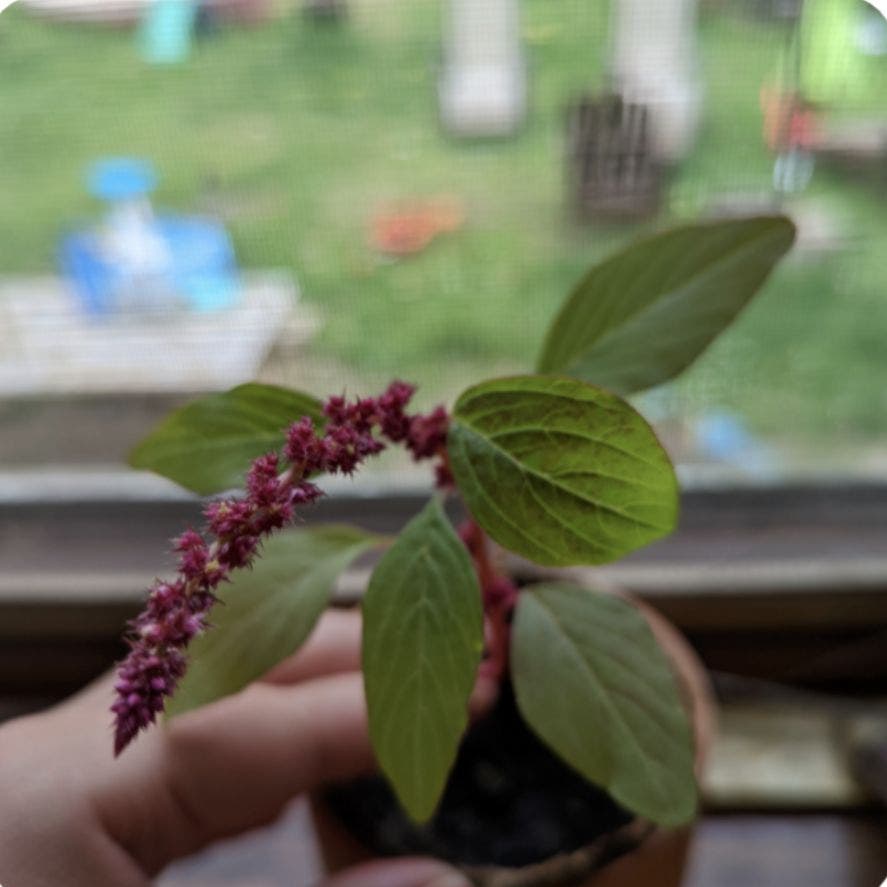
How Often Should I Water My Prostrate Pigweed?
Amaranthus albus
By the Greg Editorial Team
Mar 27, 2024•4 min read
This article was created with the help of AI so we can cover more plants for you. May contain errors. See one? Report it here.
- Look for wilted leaves or soil gap for watering cues.
- Adjust water with seasons and weather changes.
- Use tools like moisture meters for precise watering.
When to Water: Reading the Signs
🌱 Spotting Thirsty Pigweed
Prostrate pigweed sends clear distress signals when it's too dry. Leaves may appear wilted or brittle, and the soil might pull away from the container's edge. This is the plant's way of screaming for a drink. If the pot feels suspiciously light, it's time to quench your pigweed's thirst.
💦 Drowning in Love
Conversely, overwatering has its own set of red flags. Yellowing leaves are the first sign of too much love. If the soil feels like a soggy mess and you notice a musty smell, you've probably gone overboard. Swollen leaves can also indicate that your pigweed is getting more water than it can handle. Cut back on the water and let the soil dry out to avoid the onset of root rot.
The Balancing Act: Watering Frequency and Environmental Factors
💦 Seasonal Shifts
Summer's blaze means upping the ante on hydration for your prostrate pigweed. As temperatures soar, so does the need for water. But when winter whispers its chilly breath, it's time to pull back—your pigweed's thirst dwindles as the days shorten.
☔️ Weather Watch
Rainfall and humidity aren't just small talk; they're critical cues for watering. A week of downpours? Skip the watering can. Dry spell turning your garden into a dust bowl? Time to quench that thirst. Keep an eye on the skies—they're part of your pigweed care team.
The Nitty-Gritty: Soil and Container Considerations
🌱 Getting to the Root of It
Prostrate Pigweed thrives in well-draining soil. A blend rich in organic matter, like coco coir, and aerating materials such as perlite or vermiculite, is key. Just a handful of perlite mixed into your potting soil can make all the difference.
Soil isn't just dirt—it's your plant's pantry and oxygen supply. Avoid dense soils that suffocate roots and retain too much water, leading to dreaded root rot. Think of soil as a sponge; it should hold moisture but not be drenched.
🏡 Home Sweet Home
Container size and type are more than just an aesthetic choice—they're a survival factor for your Pigweed. Drainage holes are non-negotiable; they prevent your plant's roots from taking an unwanted swim.
Terracotta pots are the breathable yoga pants for plants, allowing soil to dry out faster. Plastic pots, on the other hand, are like raincoats, trapping moisture in. Choose wisely based on your watering habits and the plant's needs.
Remember, size matters. A pot too large means soggy soil and a breeding ground for root rot. Too small? Your plant's roots will be gasping for space. Aim for a pot that's just right, allowing your Pigweed to live its best life.
Watering Wisdom: Tips and Tricks for Hydrating Prostrate Pigweed
💧 Establishing a Watering Routine
Creating a consistent schedule is crucial for prostrate pigweed's health. It's not about dousing on a whim; think of it as setting up a hydration rhythm that your plant can dance to.
- Monitor the soil: Wait for the top layer to dry before watering again.
- Seasonal adjustments: Increase frequency during hot months, decrease when it's cooler.
- Visual cues: Limp leaves? Time for a drink. Stout stems? Hold off on the H2O.
🛠 Tools of the Trade
Ditch the guesswork with gadgets that keep your pigweed's thirst quenched just right.
- Moisture meters: They're like a plant's personal hydration therapist, telling you when the soil's parched or too pampered.
- Watering can with a long spout: Get water to the roots without soaking the foliage.
- Timers: For the forgetful gardener, they're a reminder that it's time to water the greenery.
Remember, while tools help, nothing beats the human touch. Regular check-ins with your plant will teach you its unique needs, making you a pro at pigweed hydration.
⚠️ Safety First
This content is for general information and may contain errors, omissions, or outdated details. It is not medical, veterinary advice, or an endorsement of therapeutic claims.
Always consult a qualified healthcare professional before using any plant as food, medicine, or supplement.
Never eat any plant (or feed one to pets) without confirming its identity with at least two trusted sources.
If you suspect poisoning, call Poison Control (800) 222-1222, the Pet Poison Helpline (800) 213-6680, or your local emergency service immediately.
Spotted an error? Please report it here.
Ensure your prostrate pigweed stays perfectly hydrated 💧 with Greg's adaptive watering reminders, considering your unique environment and the plant's seasonal needs.