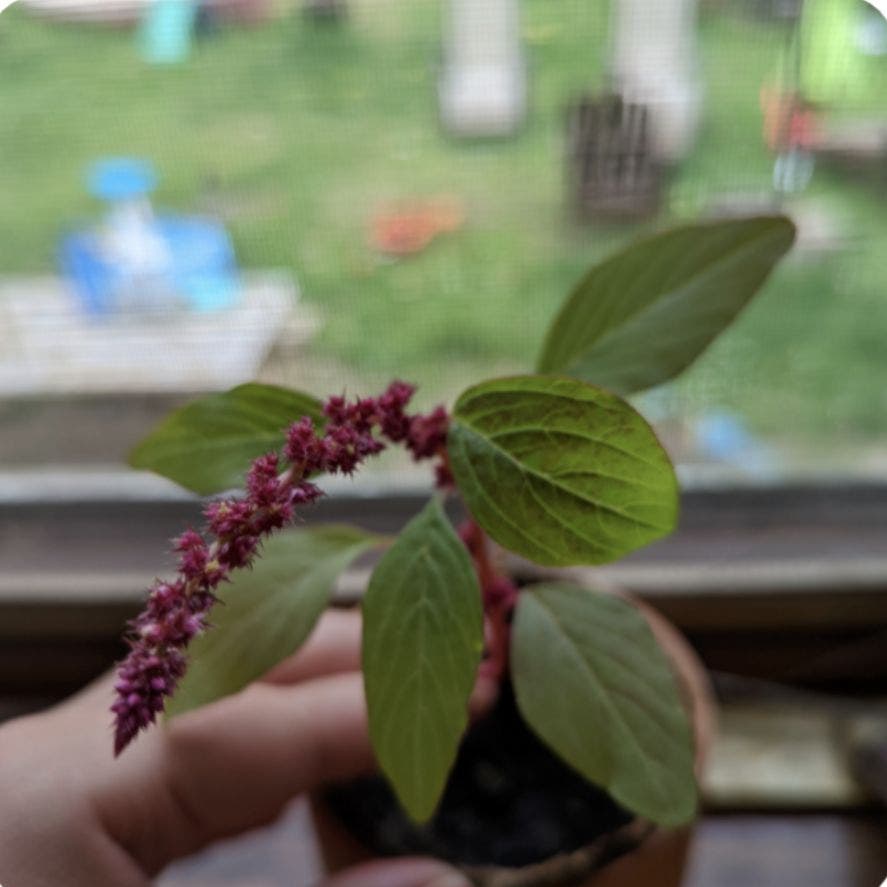
How to Prune Prostrate Pigweed
Amaranthus albus
By the Greg Editorial Team
Mar 27, 2024•3 min read
This article was created with the help of AI so we can cover more plants for you. May contain errors. See one? Report it here.
- Spring/Summer best for pruning, aligns with pigweed's rapid recovery.
- 🛠️ Sharp tools are crucial for clean cuts and plant health.
- Dispose or compost pruned material to prevent regrowth/spread.
Best Times to Give Prostrate Pigweed a Trim
🌱 Seasonal Pruning Tips
Pruning prostrate pigweed is not just about aesthetics; it's a strategic battle against an invasive adversary. Spring and summer are your best allies in this fight. These seasons arm the plant with rapid recovery abilities, making it the ideal time to strike. Avoid pruning during fall or winter; the plant's growth slows, and your efforts may not be as effective.
📆 Timing Pruning with Plant Cycles
Understanding prostrate pigweed's growth cycle is crucial. Late spring to early summer marks the time when pigweed is most vulnerable. This is when you should launch your pruning offensive. By timing your cuts with the plant's natural cycles, you're not only curbing its spread but also ensuring that any remaining seeds are less likely to germinate and haunt your garden in the future.
Choosing Your Pruning Gear
🛠️ Essential Pruning Tools
Sharpness is your best friend when it comes to pruning Prostrate Pigweed. You'll need a pair of pruning shears or scissors that make clean cuts without effort. For branches that laugh in the face of shears, arm yourself with lopping shears. And let's not forget a pruning saw for the stubborn, woody parts.
Remember, the right tool feels like a natural extension of your arm. If it's awkward, it's wrong. Comfort is key, so don't skimp on ergonomics.
🔪 Keeping Your Tools in Shape
Your tools need love too. Clean cuts depend on sharp blades, so grab a sharpener or use a simple rag and lubricant to keep them in top condition.
After each use, give your tools a spa day. Scrub them down with a wire brush, sharpen the blades, and disinfect with alcohol or a bleach solution. It's like dental hygiene for your gear—skip it and things get ugly. Keep your tools dry to prevent rust and store them safely to protect their edges—and your fingers.
Gloves? Absolutely. They're the unsung heroes of pruning, protecting your hands from nicks and dirt. Whether leather or rubber-coated, consider them a staple in your pruning kit.
And don't forget to sterilize your tools before and after each use. Think of it as a flu shot for your plant, keeping those nasty pathogens at bay.
Step-by-Step Pruning Process
🌿 Identifying What to Cut
Before you start snipping away at your Prostrate Pigweed, spot the
After the Snip: Post-Pruning Care
🌱 Dealing with Pruned Material
Dispose of pruned pigweed promptly to prevent regrowth or spreading. If the plant material is disease-free, composting is an option; otherwise, bag it and trash it. Don't let it linger, or you'll be fighting a pigweed resurgence.
🌿 Observing Plant Recovery
Post-trim, your pigweed is in recovery mode. Monitor for fresh shoots, a sign your pruning was on point. Slow growth? Reevaluate light and water conditions. Keep tools clean to avoid infecting your next patient—your plant doesn't need that stress.
⚠️ Safety First
This content is for general information and may contain errors, omissions, or outdated details. It is not medical, veterinary advice, or an endorsement of therapeutic claims.
Always consult a qualified healthcare professional before using any plant as food, medicine, or supplement.
Never eat any plant (or feed one to pets) without confirming its identity with at least two trusted sources.
If you suspect poisoning, call Poison Control (800) 222-1222, the Pet Poison Helpline (800) 213-6680, or your local emergency service immediately.
Spotted an error? Please report it here.
Prune prostrate pigweed at its most vulnerable and ensure your garden's victory with Greg's tailored care tips and reminders 🌿.