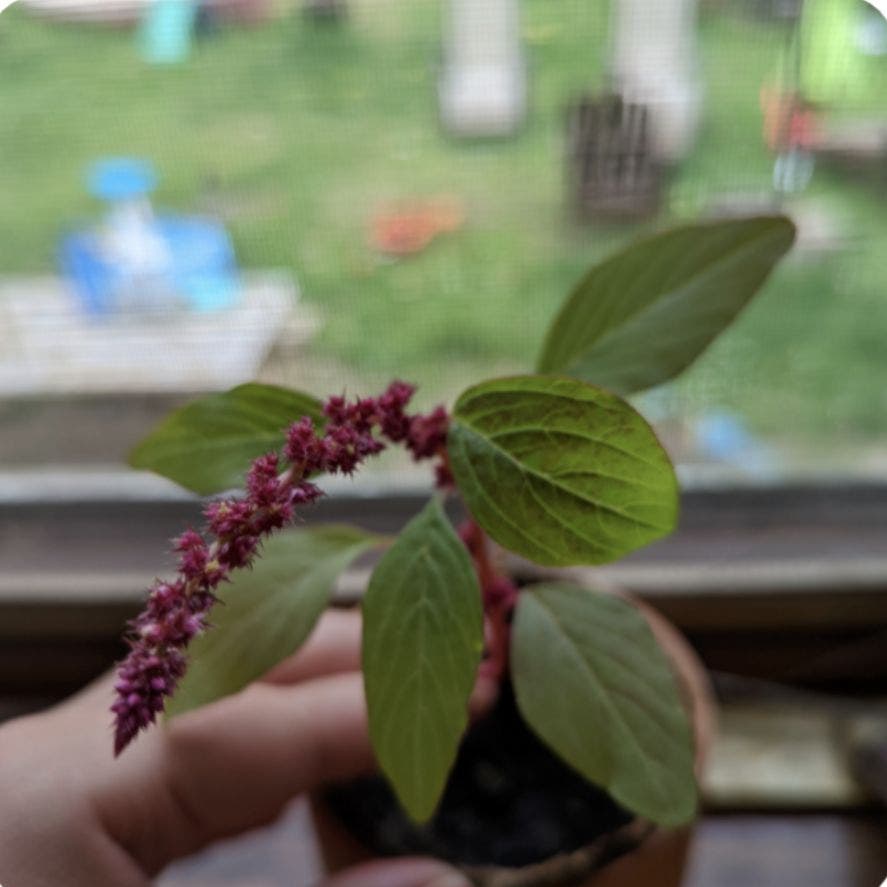
How to Get a Prostrate Pigweed to Bloom
Amaranthus albus
By the Greg Editorial Team
Mar 27, 2024•4 min read
This article was created with the help of AI so we can cover more plants for you. May contain errors. See one? Report it here.
- Light and temperature trigger Prostrate Pigweed's bloom—adjust for success.
- Balanced nutrients and pH are key for flower development.
- Prune and maintain for more prolific blooms next season.
Timing and Triggers for Prostrate Pigweed's Blooms
🌸 Understanding the Bloom Cycle
Prostrate Pigweed isn't your average wallflower; it has a blooming schedule that can seem like a mystery. To crack the code, know that its bloom season isn't set in stone.
🌿 Natural Triggers for Flowering
Temperature swings and light conditions act as the starting gun for this plant's flowering marathon. As winter thaws into spring, Pigweed's internal clock starts ticking towards bloom time.
🌞 Light and Temperature: The Dynamic Duo
🌅 Light Intensity and Duration
For Prostrate Pigweed, light isn't just ambiance; it's a vital cue. The plant thrives on long, sunny days that whisper sweet nothings about the time to flower.
🌡️ Temperature's Role
Just as important is the warmth embrace of the right temperature range. Too hot, and the plant might play hard to get, withholding its flowers. Aim for the sweet spot where warmth coaxes out those blooms.
🎭 Creating the Perfect Conditions
You're the puppet master of light and temperature, setting the stage for Prostrate Pigweed's floral performance. Use timers and thermostats to simulate the cozy conditions that tell your plant it's showtime.
Feeding Your Pigweed for Fabulous Flowers
🌱 Soil Prep for Peak Performance
Prostrate Pigweed thrives in well-draining soil. To create an ideal home for your blooms, mix in organic matter like coco coir, and don't skimp on the perlite or vermiculite. This combo ensures proper drainage and aeration, key for flower development.
Soil pH matters too. Aim for a neutral to slightly acidic range, which allows your Pigweed to absorb nutrients efficiently. Check and adjust your soil pH periodically to maintain this sweet spot.
💡 The Nutrient Mix That Makes Prostrate Pigweed Pop with Flowers
Nutrients are the unsung heroes of the flowering process. A balanced blend of nitrogen, phosphorus, and potassium is crucial. But here's the kicker: phosphorus is your bloom booster. Ramp up the phosphorus pre-bloom to set the stage for a floral spectacle.
🍽️ Fertilizers: The Secret Sauce for Blooms
Selecting the right fertilizer is like choosing the perfect spice blend—it can make or break your dish. Go for a low-nitrogen mix to encourage flowers over foliage. And remember, less is more; overfeeding can lead to lush leaves at the expense of blooms.
Frequency is key. Fertilize sparingly, aligning with the plant's growth cycle. A yearly refresh of potting soil might be all you need. If you opt for additional feeding, do it just as the growing season kicks off and watch your Pigweed put on a show.
Pruning Practices for Prolific Pigweed Blooms
🌱 The Art of Pruning
Pruning Prostrate Pigweed is crucial for a floriferous display. Timing is everything; prune post-bloom to prevent accidental sabotage of next year's flowers. Snip strategically, focusing on old growth to redirect the plant's energy towards blooming. Avoid over-pruning—less is more. Aim for a plant structure that's open to improve air circulation and light exposure, essential for flower production.
🛠️ Maintenance Must-Dos
Regular maintenance is the unsung hero of a blooming garden. Deadheading spent flowers is a must; it's like flipping a switch from "seed mode" to "bloom mode." Keep an eye out for pests, the uninvited guests that can derail your blooming party. Ensure clean cuts with sharp tools to prevent damage and disease. Between prunings, stay vigilant and remove any dead or damaged foliage to maintain plant health and aesthetics.
Growth Boosters and Bloom Enhancers
🌱 Natural Boosters for Natural Beauty
Organic amendments are your garden's best friends. They're like a health shake for your Prostrate Pigweed, packed with all the good stuff. Kelp meal is a treasure trove of trace minerals, giving your plants a vigor boost. Compost and manure are the old-school workhorses, improving soil structure and nourishing roots. And let's not forget bone meal; it's high in phosphorus, which is like a secret handshake that invites blooms to the party.
🌿 Growth Regulators: A Helping Hand
When it comes to growth regulators, think of them as your plant's personal trainers. Gibberellic acid (GA3) and ethephon are the go-to's for pushing your Pigweed into the blooming phase. But remember, these are potent stuff—use them with a careful hand. Apply them according to the label's instructions, and watch your Pigweed strut its stuff with more flowers than a botanical garden on steroids.
⚠️ Safety First
This content is for general information and may contain errors, omissions, or outdated details. It is not medical, veterinary advice, or an endorsement of therapeutic claims.
Always consult a qualified healthcare professional before using any plant as food, medicine, or supplement.
Never eat any plant (or feed one to pets) without confirming its identity with at least two trusted sources.
If you suspect poisoning, call Poison Control (800) 222-1222, the Pet Poison Helpline (800) 213-6680, or your local emergency service immediately.
Spotted an error? Please report it here.
Encourage your Prostrate Pigweed to flourish 🌸 with Greg's tailored reminders for light, temperature, and feeding, turning your garden into a blooming masterpiece.