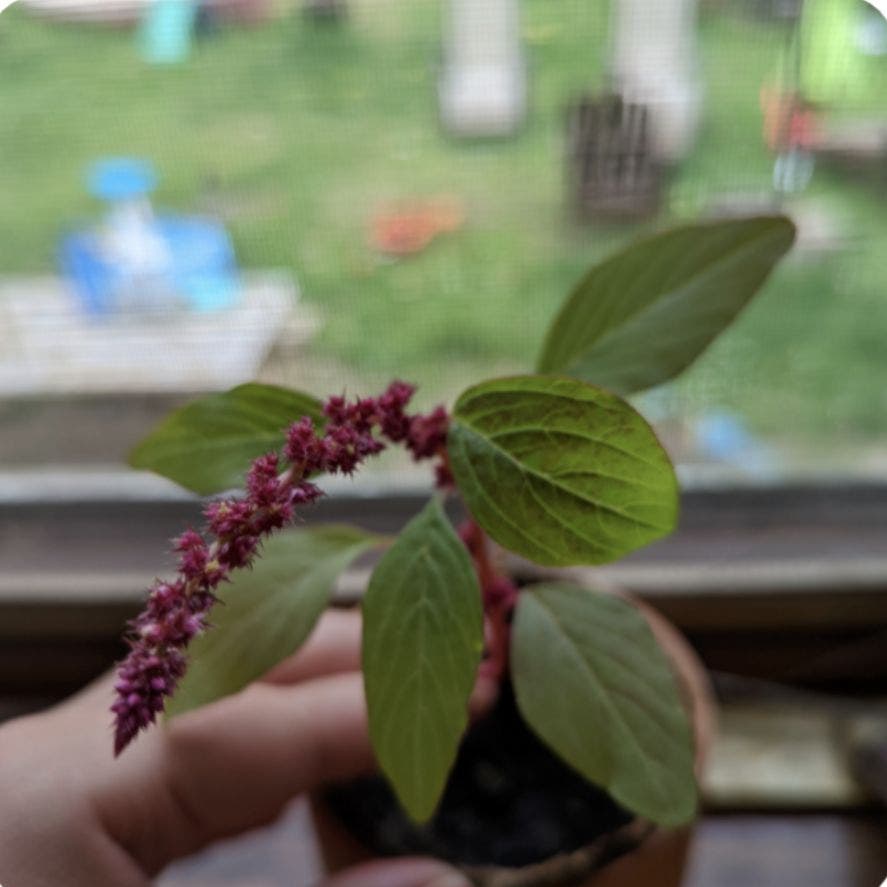
Why Are My Prostrate Pigweed Leaves Curling?
Amaranthus albus
By the Greg Editorial Team
Mar 27, 2024•5 min read
This article was created with the help of AI so we can cover more plants for you. May contain errors. See one? Report it here.
- Immediate care needed for curling Prostrate Pigweed leaves.
- Balance water and climate to prevent leaf distress.
- Routine checks and maintenance keep pests and diseases at bay.
Spotting the Curl: Recognizing When There's Trouble
🍃 Visual cues: How to tell your Prostrate Pigweed is unhappy
Curling leaves on Prostrate Pigweed shout distress louder than a car alarm at midnight. It's a visual SOS: leaves may twist, contort, or roll inwards, a stark contrast to their usual flat form. If your plant's leaves are starting to look more like crumpled paper than vibrant foliage, it's time to take action.
🌀 Beyond the curl: Other signs that accompany leaf curling
But the curl is just the beginning. Yellowing leaves, brown spots, or a general droopiness often accompany the curl, like unwelcome guests at a party. These symptoms are your plant's white flag, signaling a need for immediate care. Keep an eye out for fine webs or speckling, which can indicate pests, and remember: early detection can make all the difference.
The Usual Suspects: Common Culprits Behind the Curl
🚰 Thirsty Roots or Drowning? Watering Woes
Prostrate Pigweed can be as fussy as a toddler with their juice box—too much or too little, and there's trouble. The key is to find that sweet spot.
Check the soil before watering; it should feel moist, not swampy or bone-dry. A pot that feels lighter than your last paycheck needs water; if it's heavier, give it a break.
🌞 Feeling the Heat: Temperature and Humidity Havoc
These plants don't need a sauna or an ice bath; they crave consistency. If your Pigweed's leaves curl like a boxer's fist, it might be throwing a punch at the wrong temperature.
Keep your plant in a spot where the thermometer doesn't swing like a pendulum. Aim for a stable, Pigweed-friendly climate to prevent leaf curl.
👩🌾 Uninvited Guests: Pests and Pathogens
Pests and diseases are the party crashers of the plant world. They'll turn leaves into their personal buffet, leaving behind a mess of curls.
Regular inspections are your best defense. Catch those freeloaders early, and show them the door with organic or chemical treatments, depending on your style.
Turning Over a New Leaf: Fixing the Curl
💧 Water Wisdom: Balancing the Wet and the Dry
Adjusting your watering routine is critical for Prostrate Pigweed recovery.
Check the soil before watering; it should be dry a couple of inches down.
🛠 Tools and Techniques for Perfect Moisture Management
Use a moisture meter or the old-school finger test to gauge soil wetness.
Self-watering pots can be a game-changer, providing consistent hydration.
🌡 Climate Control: Stabilizing Your Pigweed's Environment
Prostrate Pigweed thrives in stable conditions.
Avoid extremes in temperature and humidity to prevent stress-induced curling.
🌿 Simple Adjustments for Temperature and Humidity
A pebble tray or humidifier can help maintain optimal humidity levels.
Consider relocating your plant if it's in a drafty area or exposed to direct, harsh sunlight.
🐜 Pest Patrol: Evicting Unwanted Visitors
Regular inspections for pests are as necessary as scrolling through your social feeds.
Act swiftly if you spot invaders; isolation and targeted treatments are key.
🌱 Natural and Chemical Remedies for Common Pests
Introduce beneficial insects or apply insecticidal soap for a gentle approach.
For severe infestations, judicious use of targeted insecticides may be warranted.
🛡 Disease Defense: Keeping Your Pigweed Healthy
Keep an eye out for signs of disease; early detection leads to easier management.
Ensure good air circulation around your plant to ward off fungal threats.
Prevention: The Best Cure for Leaf Curl
💪 Consistency: The Heartbeat of Plant Care
Routine checks and balances are the drumbeat to your Prostrate Pigweed's health. Like clockwork, establish a care schedule that includes watering, lighting, and temperature control. It's not just about avoiding the curl; it's about setting the stage for thriving plant life.
🛡️ Proactive Plant Parenthood
Regular maintenance is your Pigweed's lifeline. Prune with purpose, water with precision, and always keep an eye out for the early signs of pests or disease. It's the plant equivalent of brushing your teeth – neglect it, and things will go downhill.
💨 Airflow and Hydration: The Dynamic Duo
Good air circulation is non-negotiable. It's like giving your plant room to breathe, preventing fungal invasions. And when it comes to watering, think of it as a tailored suit – it needs to fit just right. Too tight (wet) or too loose (dry), and you're asking for trouble.
🛡️ The Unseen Shield: Cleanliness
Keep your gardening tools sterile and your plant's environment tidy. It's like having a secret weapon against invisible threats. A clean space is less inviting to pests and diseases, so don't let laziness be the chink in your plant's armor.
🦸 Embrace the Role of Guardian
Encourage beneficial insects; they're the unsung heroes in your garden's narrative. And if you spot trouble, act fast. It's like being a superhero for your plant – sometimes, you've got to fight off the villains for peace to reign.
🛡️ The Ultimate Defense: Robust Plant Health
Ensure your Prostrate Pigweed gets the right amount of light, water, and nutrients. It's the plant version of a balanced diet and regular exercise – a strong plant is a resilient plant. And resilience is your best bet against the dreaded leaf curl.
⚠️ Safety First
This content is for general information and may contain errors, omissions, or outdated details. It is not medical, veterinary advice, or an endorsement of therapeutic claims.
Always consult a qualified healthcare professional before using any plant as food, medicine, or supplement.
Never eat any plant (or feed one to pets) without confirming its identity with at least two trusted sources.
If you suspect poisoning, call Poison Control (800) 222-1222, the Pet Poison Helpline (800) 213-6680, or your local emergency service immediately.
Spotted an error? Please report it here.
Prevent your Prostrate Pigweed from distress with crisp, flat leaves 🌿 by letting Greg remind you when to water and monitor your home's conditions for plant bliss.