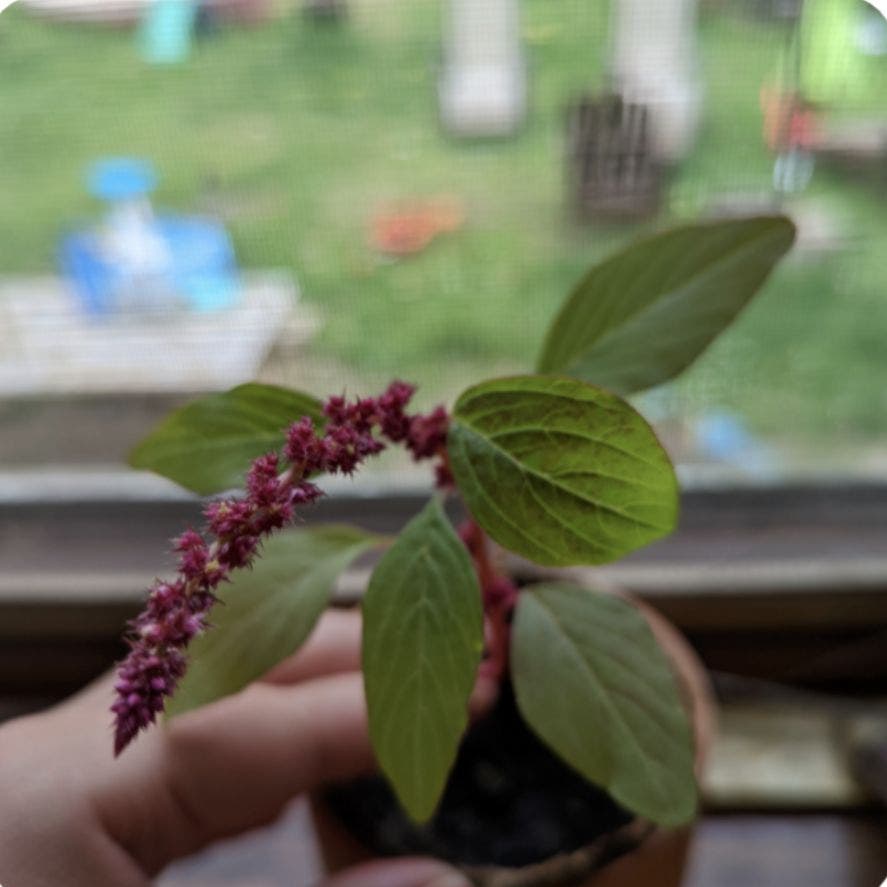
Why Are My Prostrate Pigweed Leaves Mushy?
Amaranthus albus
By the Greg Editorial Team
Mar 27, 2024•4 min read
This article was created with the help of AI so we can cover more plants for you. May contain errors. See one? Report it here.
- Overwatering leads to mushy leaves, assess watering habits and soil moisture.
- Poor drainage and fungi can cause root drowning and leaf mushiness.
- Adjust watering routine, use well-draining soil, and ensure good air flow.
Spotting the Trouble Signs
🌱 Visual Cues: Recognizing Mushy Leaves and Associated Symptoms
When your Prostrate Pigweed starts resembling a soggy salad, it's time to take note. Discoloration—be it yellowing or browning—is not a fashion statement; it's a distress signal. Leaves that have the consistency of a wet sponge are drowning in your affection. It's a clear sign to ease up on the watering.
🕵️ Quick Self-Check: Assessing Your Watering Habits and Environment
Stay vigilant. Your plant's soil should feel like a perfect brownie mix—not too wet, not too dry. If the soil is waterlogged days after your last watering session or there's a moldy scent in the air, your watering habits need a reality check. Roots should be firm and white, not brown and squishy. If they feel like they've been in a horror movie, it's time for an intervention.
🚱 The Telltale Signs of Overwatering
Yellow, swollen leaves are practically bursting with excess moisture. If the stems are mushy and your plant's leaves drop at the slightest touch, you've been too generous with the H2O. Check the soil before watering again and remember to use water at room temperature to avoid shocking the roots.
👐 Getting Hands-On: Tactile Clues
Don't be afraid to get your hands dirty. Leaves that collapse under gentle pressure are a cry for help. If they feel more like a limp handshake than a firm grip, your plant is in trouble. Similarly, if the soil sticks to your fingers like clingy mud, it's a sign you've overdone the watering.
🔍 Inspecting Beyond the Leaves
It's not just about the leaves. If the soil feels like a swamp or you're catching a whiff of something rotten, it's a red flag. And if the roots have turned into a mushy mess, you need to act fast. Remember, consistency is key—develop a watering schedule that allows the soil to dry out slightly between waterings.
Rooting Out the Causes
💦 Overwatering and Its Consequences
Overwatering is like an unwanted hug for your Prostrate Pigweed—it's too much. This overzealous affection leads to suffocated roots and, ultimately, those mushy leaves you're lamenting.
🚰 When the Water Won't Leave
Poor drainage turns your pot into a miniature swamp. If the water can't escape, your Pigweed's roots are essentially drowning. Check those drainage holes; they're your plant's lifeline.
🍄 Fungus Among Us
Fungi love a good moist environment as much as mushrooms love a forest floor. A musty smell or a change in leaf texture is a red flag—your plant's got uninvited guests.
Turning Over a New Leaf: Remedial Actions
💧 Dialing Back on the H2O
To resuscitate your Prostrate Pigweed, start by letting the soil become as dry as a desert traveler's dream before you even think about watering. Use the finger test or a moisture meter to ensure you're not drowning your plant in misguided kindness. When you do water, do it like you mean it, but let any excess run away freely—no plant enjoys wet feet.
🚰 Giving Water the Drainage It Deserves
If your potting mix is holding onto water like a miser with gold, it's time for a change. Mix in some perlite or sand to make it more like a sieve and less like a sponge. Choose a pot that's got holes big enough to let any excess water escape with ease, because good drainage is the secret handshake of plant health.
Fungicide to the Rescue?
When a fungus decides to make your Pigweed its new home, it's time to show it the door with a fungicide. But don't
Mush-Proofing Your Pigweed
💧 The Watering Wisdom
Crafting a watering routine that respects your Pigweed's personal space is crucial. Overzealous hydration is a common pitfall; your plant isn't competing in a drinking contest. Feel the soil—if the top inch is dry, it's time to water. Ditch the rigid schedules; your Pigweed doesn't wear a watch.
🏡 Soil and Surroundings
Choosing the right soil mix is like picking the right neighborhood—it's all about the environment. A well-draining, sterile potting mix is your plant's best friend. Avoid garden soil; it's the equivalent of a poorly insulated home. For a premium experience, mix peat moss, perlite, and a touch of compost. This blend ensures moisture without the clinginess, preventing root rot.
💨 A Breath of Fresh Air
Good air flow is the unsung hero in the fight against mush. Don't cram your plants together like sardines; they need room to breathe. Use a fan to simulate a gentle breeze, discouraging any fungal freeloaders. Cleanliness is next to Pigweed godliness—keep dead leaves and debris at bay to prevent decay.
⚠️ Safety First
This content is for general information and may contain errors, omissions, or outdated details. It is not medical, veterinary advice, or an endorsement of therapeutic claims.
Always consult a qualified healthcare professional before using any plant as food, medicine, or supplement.
Never eat any plant (or feed one to pets) without confirming its identity with at least two trusted sources.
If you suspect poisoning, call Poison Control (800) 222-1222, the Pet Poison Helpline (800) 213-6680, or your local emergency service immediately.
Spotted an error? Please report it here.
Avoid the mushy-leaf blues in your prostrate pigweed by letting Greg calibrate 🌧 your watering routine to combat overwatering and promote perfect plant health!