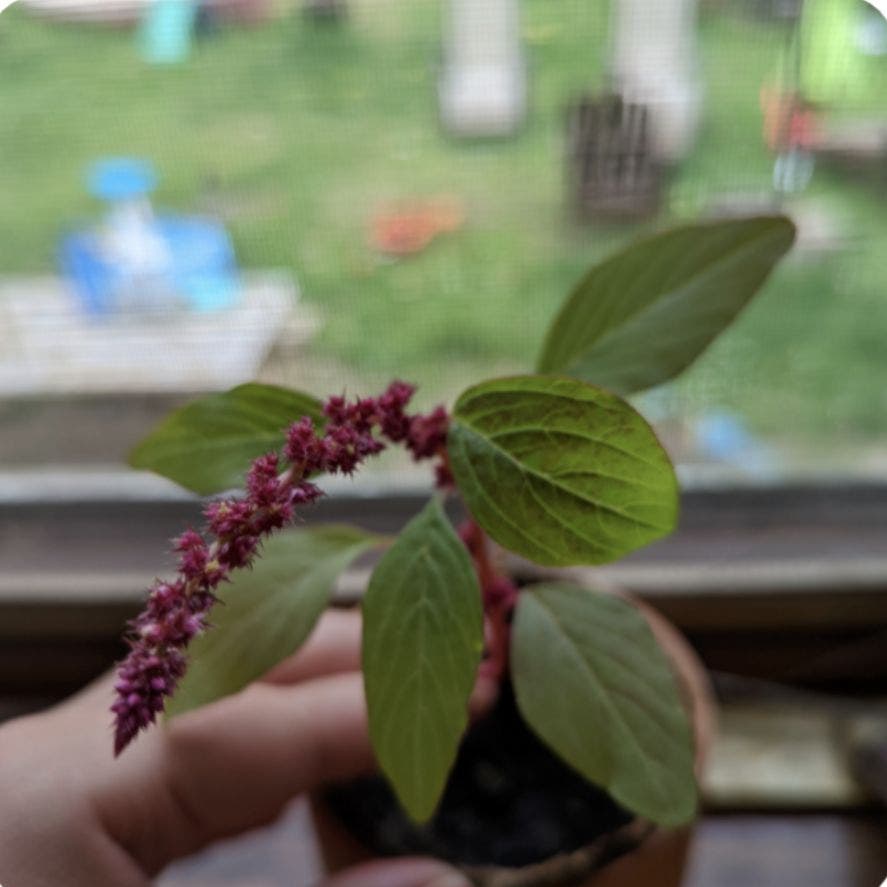
💧 Why Are My Prostrate Pigweed Leaves Droopy?
Amaranthus albus
By the Greg Editorial Team
Mar 27, 2024•3 min read
This article was created with the help of AI so we can cover more plants for you. May contain errors. See one? Report it here.
- Water wisely: Avoid over/underwatering by checking soil moisture.
- Stable temps and light: Essential for preventing wilt.
- Nutrient balance: Fertilize appropriately for healthy leaves.
Pinpointing the Causes of Droopy Leaves
💧 Water Woes
Overwatering is a common misstep. It's like giving your plant a never-ending water balloon fight—it just can't handle it. Roots drown, leaving leaves droopy. Check the soil; if it's soggy, you've gone overboard.
Underwatering is the other side of the coin. Leaves will look deflated, like they've been on a desert trek without a canteen. The soil will be as dry as a bone. Give it a drink, but don't flood it.
🌡️ Feeling the Heat (or the Chill)
Extreme temperatures can make leaves wilt like a snowman in July. Too hot, and they're cooking; too cold, and they're freezing. Aim for that temperate sweet spot.
🌞 Light: Finding the Sweet Spot
Excessive light can bleach leaves, leaving them as pale as a ghost. Meanwhile, insufficient light makes them stretch and slump, like they're reaching for the last cookie on a high shelf.
🥗 Hungry for Nutrients
A nutrient deficiency can leave leaves looking as lackluster as a salad without dressing. Older leaves may yellow, while new growth can appear twisted. It's time for a nutrient boost.
Turning the Tide: Remedies for Droopy Leaves
💧 Getting Water Right
Dialing in on the perfect watering routine isn't rocket science, but it does require attention. Check the top inch of soil; if it's dry, your plant is telling you it's thirsty. If it's moist, give it a break. Use room-temperature water—no one likes a cold shower, especially not your plants.
Drainage is king. Make sure your pot's holes are big enough to avoid waterlogging. Consider a gritty layer at the bottom or mix in some perlite or sand to keep things flowing. Terracotta pots? They're the unsung heroes in the battle against droopy leaves.
🌡️ Creating a Comfy Environment
Steady temperatures are your plant's bestie. Think 'comfy sweater weather'—not too hot, not too cold. A consistent environment prevents your plant from throwing a fit.
Light levels are all about balance. Bright, indirect sunlight is the jackpot. Too much and you'll have a sunburnt mess; too little and you'll get a droopy, light-starved plant. Adjust as needed and watch for the tell-tale signs of discontent.
🌿 Feeding Your Foliage
Fertilizing is like picking a personal trainer for your plant—choose wisely. A balanced mix is your goal, but don't overdo it. You're aiming for a nutrient feast, not a buffet that leaves your plant with a hangover.
Timing is everything. Feed during the growing season when your plant is most hungry. Remember, moderation is key—too much love can be just as bad as neglect.
Proactive Measures: Preventing Droopy Leaves
💧 Watering Wisdom
Crafting a watering schedule that aligns with your Prostrate Pigweed's needs is like setting up a successful morning routine—it sets the tone for the day, or in this case, the health of your plant. Consistency is your best friend here; water when the top inch of soil is dry, and adjust with the seasons—more in the summer, less in winter.
🌞 Environmental Vigilance
Keep a close eye on temperature and light; these are the unsung heroes of leaf perkiness. Your plant doesn't need a sauna or an ice bath, so aim for stable temperatures. Rotate your plant for even light exposure, and remember, indirect light is the golden ticket to avoiding the droop.
🍽️ Nutritional Know-How
Implementing a fertilization plan is like giving your plant a gym membership—it's all about building strength. Use a balanced fertilizer to keep your foliage firm. But don't overdo it; just like with workouts, over-supplementation can do more harm than good.
⚠️ Safety First
This content is for general information and may contain errors, omissions, or outdated details. It is not medical, veterinary advice, or an endorsement of therapeutic claims.
Always consult a qualified healthcare professional before using any plant as food, medicine, or supplement.
Never eat any plant (or feed one to pets) without confirming its identity with at least two trusted sources.
If you suspect poisoning, call Poison Control (800) 222-1222, the Pet Poison Helpline (800) 213-6680, or your local emergency service immediately.
Spotted an error? Please report it here.
Keep your prostrate pigweed's leaves upright and vibrant 🌿 by letting Greg craft a custom watering schedule and provide environmental insights to prevent droopiness.