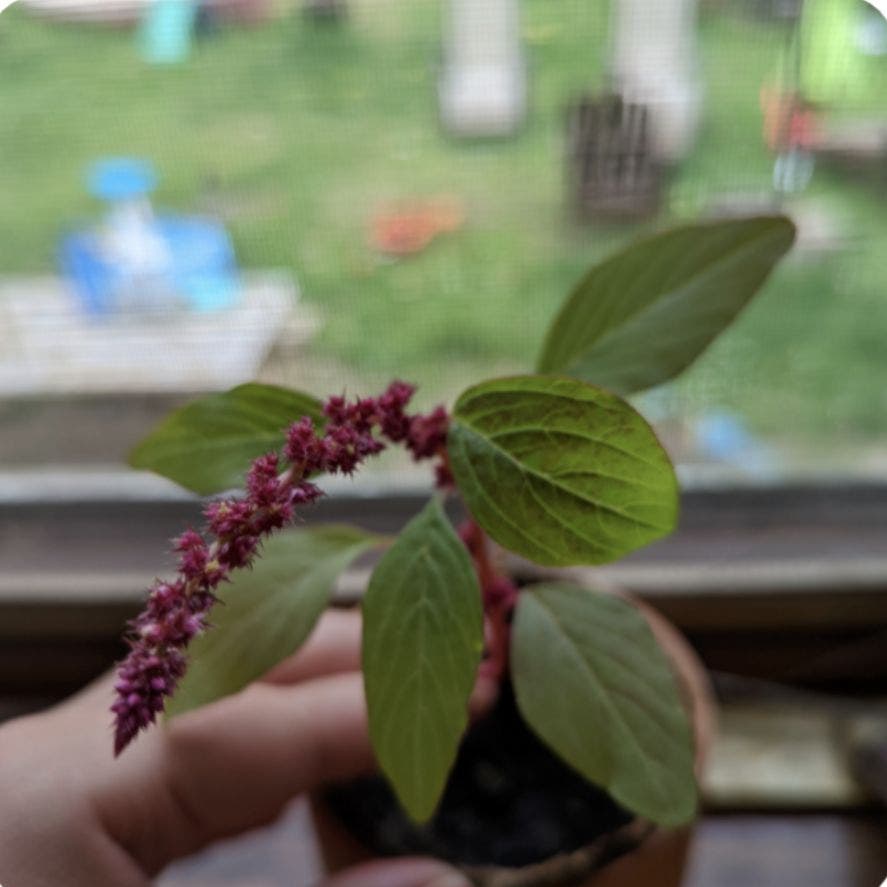
Why Are My Prostrate Pigweed Leaves Dropping?
Amaranthus albus
By the Greg Editorial Team
Mar 27, 2024•4 min read
This article was created with the help of AI so we can cover more plants for you. May contain errors. See one? Report it here.
- Watch for discoloration and wilting as signs of Prostrate Pigweed distress.
- Balance water and nutrients to prevent leaf drop and maintain health.
- Stable environment and soil testing are key to thriving Prostrate Pigweed.
Spotting the Signs of Trouble
🍂 Recognizing Abnormal Leaf Drop
Prostrate Pigweed shedding leaves should be as predictable as the seasons. Abnormal leaf drop is your cue that something's amiss. It's not the casual leaf loss you'd shrug off; it's more like the plant's sending up a flare.
🚨 Key Symptoms to Watch For
Keep an eye out for leaves that look like they've seen better days—discoloration, wilting, and leaves bidding adieu before their time are the main culprits. If your Pigweed's leaves are dropping like they're hot, you've got a problem on your hands.
Digging into the Root Causes
💧 Water Woes: Too Much or Too Little
Improper watering is a prime suspect in the case of Prostrate Pigweed leaf drop. Too much water turns the soil into a swamp, suffocating roots and leading to a leafy downfall. Conversely, underwatering leaves the soil parched, roots desperate, and leaves crispy. Check the top inch of soil; it should feel slightly moist, not bone dry or sopping wet.
🔥 Feeling the Heat (or the Cold)
Temperature plays a critical role in the well-being of Prostrate Pigweed. Extreme heat can cause wilting and leaf scorch, while cold temperatures can lead to a sudden bout of leaf shedding. It's all about finding that Goldilocks zone—not too hot, not too cold, but just right.
🌿 When Plants Go Hungry
Nutrient deficiencies are like silent alarms for Prostrate Pigweed. Yellow leaves and weak stems often point to a lack of nitrogen, the usual suspect when leaves lose their vibrant green hue. A balanced fertilizer can be the superhero cape your plant needs to maintain its perky posture and prevent leaves from falling.
Turning Over a New Leaf: Solutions
💧 Fine-Tuning Your Watering Technique
Prostrate Pigweed's thirst isn't a mystery; it craves consistency. Overwatering is like throwing it a pool party without an exit—root rot loves that. Underwatering, on the other hand, turns your plant into a parched desert wanderer. Aim for the sweet spot: water when the top inch of soil feels dry. Use a moisture meter if you're not into the whole finger-test thing. And always ensure drainage is top-notch—no plant enjoys wet feet for long.
🌿 Creating a Cozy Environment
Think of your Pigweed as a bit of a diva when it comes to its environment. It doesn't do well with dramatic temperature swings or lighting extremes. During those scorching summers, give it some shade. In the gloomy winter, let it soak up all the sun it can get. It's all about avoiding environmental stress, which can make your plant drop leaves faster than a pop star drops singles.
🍽️ Feeding Your Pigweed Properly
Nutrients are to plants what a well-balanced diet is to us. Too little and your Pigweed might as well be on a crash diet; too much and it's like force-feeding it junk food. A balanced, slow-release fertilizer is your best bet—think of it as a steady supply of healthy snacks. Apply it at half the recommended dosage to avoid nutrient burn and make sure to water it in well. Remember, it's not about feeding it more; it's about feeding it smarter.
Keeping Your Pigweed Perky: Prevention Tips
💧 Consistency is Key: Watering Schedules
Establish a watering routine to maintain plant health. Prostrate Pigweed thrives when the soil is allowed to dry out between waterings. Stick to a schedule that lets the top six inches of soil become just dry to the touch before rehydrating. This method encourages deep root growth and prevents overwatering.
🌿 Monitoring and Adjusting Plant Conditions
Regularly check your Prostrate Pigweed's environment. Adjust conditions to meet the plant's needs, which may change with the seasons. Ensure the plant receives adequate light and is not exposed to extreme temperatures. If you're growing indoors, consider the humidity level, which can affect the plant's transpiration and nutrient uptake.
🌱 The Role of Soil Testing in Preventative Care
Soil tests are invaluable for preempting nutrient imbalances. By analyzing soil composition, you can tailor your fertilization strategy to avoid over or underfeeding your Prostrate Pigweed. Organic matter like coco coir and perlite can improve soil structure and drainage, reducing the risk of root rot. Remember, healthy soil equals a healthy plant.
⚠️ Safety First
This content is for general information and may contain errors, omissions, or outdated details. It is not medical, veterinary advice, or an endorsement of therapeutic claims.
Always consult a qualified healthcare professional before using any plant as food, medicine, or supplement.
Never eat any plant (or feed one to pets) without confirming its identity with at least two trusted sources.
If you suspect poisoning, call Poison Control (800) 222-1222, the Pet Poison Helpline (800) 213-6680, or your local emergency service immediately.
Spotted an error? Please report it here.
Ensure your Prostrate Pigweed remains leaf-drop free 🍃 by letting Greg tailor your watering schedule and environmental checks for a thriving plant.