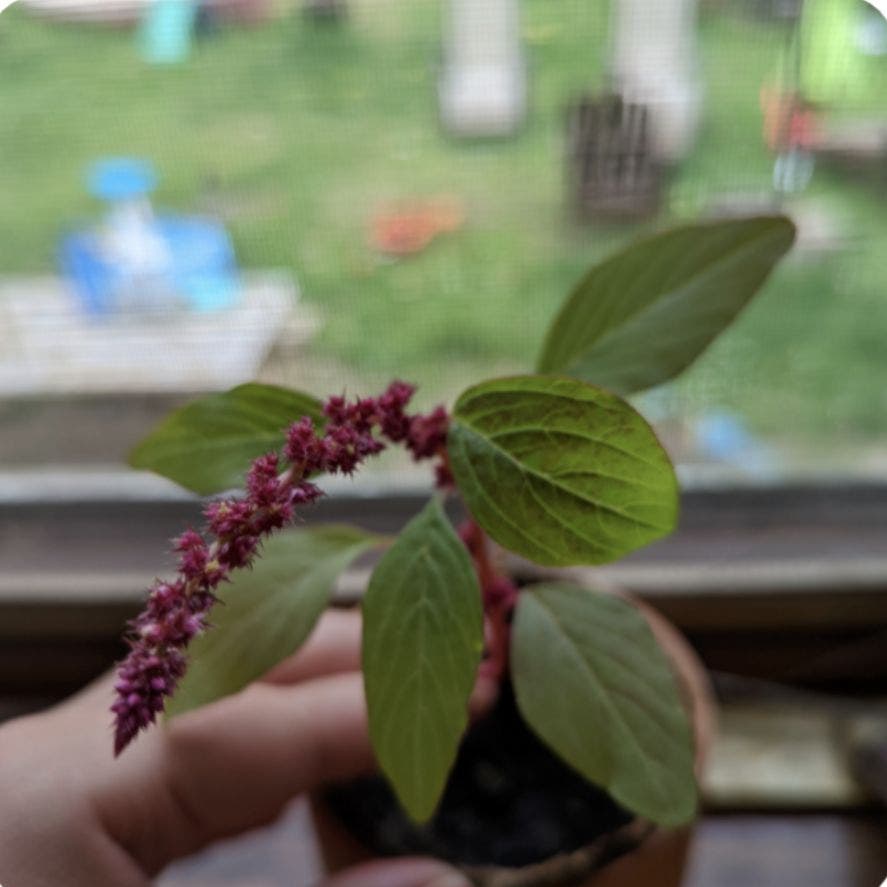
How to Fertilize Your Prostrate Pigweed
Amaranthus albus
By the Greg Editorial Team
Mar 27, 2024•5 min read
This article was created with the help of AI so we can cover more plants for you. May contain errors. See one? Report it here.
- Balanced NPK ratio (10-10-10) ensures Prostrate Pigweed's vitality.
- Micronutrients are crucial; calcium, magnesium, and sulfur promote health.
- 🌸 Consistent bloom-time fertilization keeps flowers vibrant and foliage lush.
Picking the Right Fertilizer for Your Pigweed
💡 Understanding the Ideal NPK Ratio
Prostrate Pigweed thrives with balanced nutrition. Aim for an NPK ratio like 10-10-10, ensuring equal parts nitrogen, phosphorus, and potassium. Nitrogen spurs leaf growth, phosphorus is vital for root and bloom development, and potassium maintains overall plant health. Overdoing it can lead to more harm than good, so moderation is key.
🍽️ Micronutrients Matter Too
While NPK takes the spotlight, micronutrients are the unsung heroes. These include elements like calcium, magnesium, and sulfur. They may be needed in smaller amounts, but they're essential for your Pigweed's well-being. Check the "Guaranteed Analysis" on fertilizer labels to ensure these critical components are included.
🛡️ Slow-Release vs. Liquid Fertilizers
Deciding between slow-release and liquid fertilizers? Slow-release is the low-maintenance cousin, feeding your Pigweed over time. It's perfect for those who might forget a feeding or two. Liquid fertilizers, however, provide a quick nutrient hit and can be tweaked on the fly. Just remember, with liquid power comes the responsibility to avoid over-fertilization. Choose based on your gardening style and your plant's needs.
Timing is Everything: When to Fertilize
🌱 Kickstarting the Growing Season
Spring is Prostrate Pigweed's wake-up call. As the days get longer, it's time to give your plant its first dose of nutrients. Start fertilizing when you notice new growth, which is typically around March. This initial boost is crucial for setting the stage for the season.
💐 Maintaining Nutrient Levels During Bloom
Once your Pigweed is blooming, consistent fertilization is key. Stick to a monthly schedule to keep the blooms vibrant and the foliage lush. However, be vigilant; if the plant isn't responding well, it may be time to adjust your fertilization strategy.
🍂 Recognizing Dormancy and Resting Phases
As fall approaches, your Pigweed will slow down. Reduce fertilization to match this change in pace. Over-fertilizing during dormancy can stress the plant, so ease off and let it rest. Remember, less is more when your plant is preparing for its winter nap.
Fertilizing Like a Pro: Techniques and Tips
💡 Dosage and Distribution
Getting the dosage right is crucial for the health of your Prostrate Pigweed. Overdoing it can lead to nutrient burn, while too little will leave your plant wanting. Even distribution is the name of the game; think of it as ensuring every root gets a seat at the dinner table.
🍽️ Application Methods
Soil Application
When applying fertilizer, imagine you're a chef seasoning a dish—evenly is the way to go. For liquid fertilizers, dilute as directed and apply at the plant's base, avoiding the leaves to prevent burns. For granular types, scatter according to package instructions and follow up with a thorough watering to help the nutrients percolate down to the roots.
Top-Dressing
If you're using slow-release fertilizers, consider the top-dressing method. Gently work the granules into the soil surface around your plant. This method is like setting a slow cooker; it provides a steady supply of nutrients over time.
Using Tools
A watering can with a long spout or a fertilizer spreader can be your best friends for targeted and uniform application. Precision tools mean you're less likely to give your plant a nutrient hot spot, which can be as damaging as no fertilizer at all.
Post-Application
Once you've applied the fertilizer, don't just walk away. Water the area to kickstart the nutrient uptake process. It's like chugging a sports drink after a workout—your plant needs that immediate replenishment.
Remember, always read the label and use the right tools for the job. Your Prostrate Pigweed will thank you with lush growth and vibrant blooms.
Keeping an Eye Out: Signs of Successful Fertilization
🌱 Healthy Growth Indicators
Healthy Prostrate Pigweed doesn't just happen; it's a sign of spot-on fertilization. Look for vibrant green leaves—a visual high-five from your plant. Uniform color without yellowing or spots is key. If the leaves are robust and the plant stands tall, you're nailing it.
🌸 Blooming Boosts
When blooms burst forth, it's like your Pigweed is giving a standing ovation to your care routine. Abundant flowers are a telltale sign of a well-fed plant. If you're seeing a profusion of petals, it's a clear signal that your fertilization game is strong. Keep an eye out for new growth too; it's the plant's way of asking for an encore.
Preventing Over-Fertilization
🚨 Spotting the Warning Signs
Leaf discoloration, such as yellowing or browning, can be a distress signal from your Prostrate Pigweed, indicating potential over-fertilization. A white, crusty buildup on the soil surface is another red flag; it's the plant's way of showing it's had more than its fill of nutrients. If you notice wilting leaves despite damp soil or roots that appear limp and darkened, it's time to reassess your fertilization regimen.
🛠️ Proactive Measures
Test the soil before you even think about adding fertilizer; it's like checking the weather before you dress for the day. When you do fertilize, water your plants thoroughly to help distribute the nutrients—think of it as blending the ingredients of a smoothie to perfection. Opt for organic compost when possible; it's the slow food movement for plants, releasing nutrients at a pace they can handle. If you're using liquid fertilizer, dilute it more than the label suggests—consider it a light seasoning rather than a heavy sauce. And remember, moderation is key: apply fertilizers sparingly and only when needed, as if you're adding just a pinch of salt to a dish. Keep an eye on your plant's response after feeding; a happy plant won't need extra helpings. If you do suspect over-fertilization, flush the soil with water to wash away the excess—think of it as hitting the reset button.
⚠️ Safety First
This content is for general information and may contain errors, omissions, or outdated details. It is not medical, veterinary advice, or an endorsement of therapeutic claims.
Always consult a qualified healthcare professional before using any plant as food, medicine, or supplement.
Never eat any plant (or feed one to pets) without confirming its identity with at least two trusted sources.
If you suspect poisoning, call Poison Control (800) 222-1222, the Pet Poison Helpline (800) 213-6680, or your local emergency service immediately.
Spotted an error? Please report it here.
Nurture your Prostrate Pigweed to lush, vibrant health with smart fertilization, and count on Greg's 📅 reminders to keep your green thumb on point with just the right nutrients.