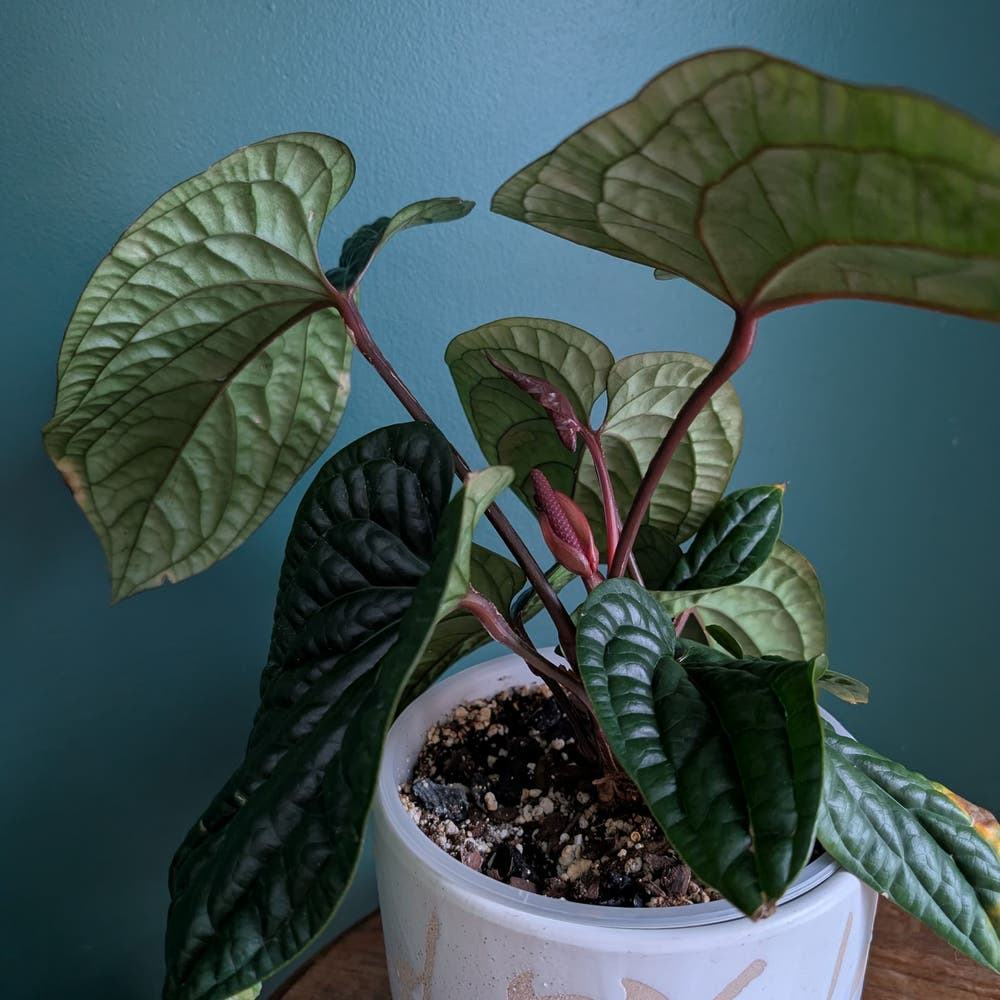
How Do I Propagate My Anthurium radicans x luxurians?
Anthurium luxurians x radicans
By the Greg Editorial Team
Jun 18, 2024•5 min read
This article was created with the help of AI so we can cover more plants for you. May contain errors. See one? Report it here.
Propagate your Anthurium radicans x luxurians 🌿 with ease using these fail-safe methods!
- Choose your method: division, stem cuttings, aerial roots, or offsets.
- Aftercare is crucial: high humidity, indirect light, and proper watering.
- Prevent root rot and shock with well-draining soil and gentle handling.
Getting Started with Propagation
🌱 Choosing Your Propagation Method
In the propagation game, choices matter. Division is the go-to for a quick clone job, splitting the root ball like a plant heist. Stem cuttings are the classic—snip, dip, and stick it in soil, like a magic trick that ends with more plants. Aerial roots are for the patient souls, coaxing them to soil like whispering to plant spirits. And offsets? They're the plant babies, ready to stand on their own with a little TLC.
🛠️ Prepping Your Tools and Space
Before diving into the propagation pool, gear up. Sharp shears are non-negotiable; they're the difference between a clean cut and a plant massacre. Get your hands on some potting mix and containers that scream 'grow in me!' Rooting hormone is your secret weapon, giving cuttings a pep talk to sprout roots. A humidity dome is the cozy blanket for your baby plants, and don't forget to keep things misty. Warmth is the final touch, the gentle nudge for roots to explore. Now, set up your station—think of it as a nursery for your green offspring. Keep it clean, folks. Plant surgery requires sterilization, not just for your tools but for your soul. Okay, maybe just the tools.

Step-by-Step Propagation Techniques
🌱 Division: Multiplying Your Anthurium
When your Anthurium radicans x luxurians starts resembling a small jungle, division is your ticket to propagation town. First, coax the plant from its pot and lay it down like it's about to spill some serious tea. You're looking for natural separations in the root ball—think of it as untangling headphones, but with roots. Each new section should have a healthy root system; a couple of roots won't cut it. Once you've got your sections, pot them up in a mix that drains faster than your phone battery. Water them in, but don't drown the poor things.
🌿 Stem Cuttings: Snip and Root
For stem cuttings, channel your inner Edward Scissorhands and select a 6-8 inch piece of stem. A clean, angled cut is your goal—no hacking allowed. Dip the end in rooting hormone to give it that extra edge. Some folks swear by rooting in water, but soil is the old reliable. Patience is key; roots are shy and take their sweet time to emerge.
🌱 Aerial Roots: Harnessing Airborne Potential
Aerial roots are like plant tentacles reaching out into the void. If your Anthurium is sporting these, you've hit the propagation jackpot. Snip these near the base and plant them in soil. They're already halfway to being their own plant, which is both creepy and cool.
🌱 Offsets: Giving "Pups" a New Home
Offsets are the plant equivalent of your Anthurium sliding into the DMs with a "hey, I made this." These pups pop up at the base of the plant, ready to strike out on their own. Separate them with a clean cut, and give them a cozy pot to call home. They'll need a bit of TLC, but they're basically mini-mes of the mother plant.

Aftercare for Your New Anthurium Plants
💧 The Right Environment for New Starts
Creating the ideal environment for your newly propagated Anthurium radicans x luxurians is crucial. They crave high humidity, similar to their tropical origins. Use a humidity tray or a humidifier to achieve this. Keep the humidity levels consistent, as fluctuations can stress the plants.
Bright, indirect light is their sweet spot. Too much sun can scorch their leaves, while too little can stunt their growth. Find a spot that mimics the dappled light of a rainforest canopy.
Temperature-wise, think warm but not hot. 65-75°F (18-24°C) is the range you're aiming for. Avoid drafts and air conditioning vents that could dry them out faster than a sarcastic remark.
🚰 The First Watering: When and How Much
Watering your Anthurium offspring is like making a good cocktail—balance is key. Let the top inch of soil dry out before giving them a drink. This prevents root rot, the silent killer of many a houseplant.
Use room temperature water to avoid shocking the roots. If your tap water is high in fluoride, consider using distilled or rainwater to prevent leaf burn.
Water thoroughly, but don't let the plants sit in water. Think of it as a refreshing dip, not a long soak in the tub. After watering, ensure excess water drains away, as soggy bottoms are only good in baking, not in plant care.

Propagation Pitfalls and How to Dodge Them
🌱 Root Rot: Spotting and Stopping It
Root rot is the silent assassin of propagation. It starts with overwatering and ends with your Anthurium's roots turning into a mushy, brown mess. To combat this, ensure your soil is well-draining and your watering is judicious. If you spot rot, it's surgery time—snip the bad roots and repot in fresh soil.
🌿 Transplant Shock: Minimizing the Impact
Transplant shock can make your Anthuriums sulk. Keep the roots undisturbed as much as possible when moving them to their new home. A gentle touch, consistent moisture, and a shady spot can help them bounce back. Remember, they're not just plants; they're drama queens in leafy disguise.
⚠️ Safety First
This content is for general information and may contain errors, omissions, or outdated details. It is not medical, veterinary advice, or an endorsement of therapeutic claims.
Always consult a qualified healthcare professional before using any plant as food, medicine, or supplement.
Never eat any plant (or feed one to pets) without confirming its identity with at least two trusted sources.
If you suspect poisoning, call Poison Control (800) 222-1222, the Pet Poison Helpline (800) 213-6680, or your local emergency service immediately.
Spotted an error? Please report it here.
Propagate your Anthurium radicans x luxurians with confidence, and rely on Greg's 🌿 custom care reminders to nurture your plantlets into thriving beauties.