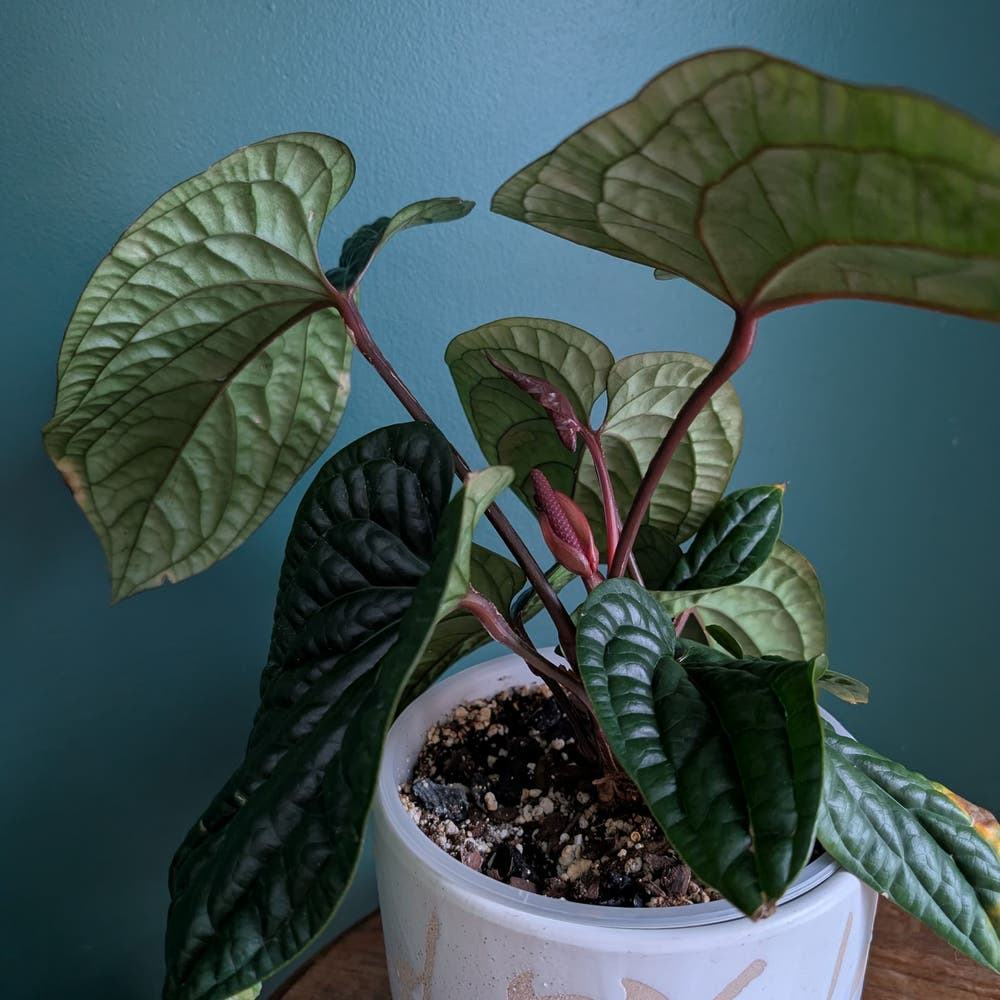
Why Are My Anthurium radicans x luxurians Leaves Curling?
Anthurium luxurians x radicans
By the Greg Editorial Team
Jun 18, 2024•5 min read
This article was created with the help of AI so we can cover more plants for you. May contain errors. See one? Report it here.
Solve the curling leaf mystery 🌿 and revive your Anthurium's splendor with expert care tips.
- Curling leaves signal dehydration or lighting issues; brown tips mean thirst.
- Consistent care prevents curling: balance water, humidity, temperature, and light.
- Regular check-ups and adjustments keep your Anthurium radicans x luxurians healthy.
Spotting the Signs: When Your Anthurium's Leaves Start to Curl
Visual cues: Your Anthurium radicans x luxurians is more than just eye candy; its leaves are a barometer for well-being. When they start to curl, it's not a new trend—it's a distress signal. Inward rolling leaves scream dehydration, while leaves flipping outward might be throwing shade at your lighting choices.
Beyond the curl: But wait, there's more. If your plant's leaves are auditioning for a brown or yellow palette, you've got additional clues. Brown tips often whisper tales of thirst, while a yellow hue could be gossiping about your overzealous watering habits.
🕵️ Identifying Curl Patterns
Each curl has a story. Think of them as cryptic messages from your plant. Is it rolling up tighter than a burrito? Time to check the soil's moisture. Leaves looking paler than a ghost? Perhaps they're getting too much sun or not enough water.
🛡️ Keeping Pests and Diseases at Bay
Pests are the party crashers no one invited. They'll turn leaves into their personal buffets, leaving behind a curled mess. Regular patrols for spider mites, aphids, and their gang of leaf-munchers are a must. Spot them? Show them the door with a dab of rubbing alcohol.
💡 Pro Tips for a Curl-Free Anthurium
Stay vigilant. Your Anthurium's leaves are like a mood ring, changing to tell you something's up. Is the soil feeling like a desert or a swamp? Time to recalibrate your watering. And if you catch your plant looking under the weather, it might be craving some humidity or a break from the heat. Keep those conditions in check to avoid the curl.

The Usual Suspects: Common Causes of Leaf Curling
🏜️ Thirsty Roots: The Perils of Underwatering
Dry, wilted leaves are telltale signs of a thirsty Anthurium radicans x luxurians. The soil should feel like a wrung-out sponge—moist but not soggy.
🚰 Drowning in Excess: The Overwatering Conundrum
Overwatering symptoms include yellowing leaves and a mushy feel to the touch. Ensure your Anthurium's pot has adequate drainage to prevent waterlogging.
⛅️ Climate Woes: Temperature and Humidity Troubles
Leaves curling can signal temperature or humidity issues. Aim for a balanced microclimate; not too hot or cold, with humidity that's just right.
🌞 Light Matters: Finding the Sweet Spot
Inadequate light can cause leaves to curl as they reach for more. Conversely, too much light can scorch leaves, leading to curling. Adjust light levels to provide your Anthurium with the ideal conditions for growth.

Turning Over a New Leaf: Fixing and Preventing Curling
💧 Water Wisdom: Perfecting Your Watering Routine
Soil moisture is your plant's lifeline. To check it, think of the touch test—if the top inch feels dry, it's time to water. No need for fancy gadgets when your finger can do the job.
Establishing a watering schedule is less about rigid timing and more about observing your plant's thirst cues. Adapt to the plant's needs, keeping in mind that consistency beats sporadic soakings.
🌡️ Environmental Harmony: Balancing Humidity and Temperature
Your Anthurium craves a tropical vibe—think warm, not hot; moist, but not soggy. A humidifier or a pebble tray can help maintain that just-right humidity.
Seasons change and so should your care. In winter, dial down the water; in summer, mist and monitor. It's about creating a year-round comfort zone for your green buddy.
💡 Let There Be Light: Illuminating Solutions
Positioning is key. Your Anthurium should bask in bright, indirect light—like the perfect spot at a café, not too glaring, not too dim.
If the sun's playing hide and seek, consider artificial lighting. A grow light can be the sun's understudy, ensuring your plant doesn't miss out on its spotlight.

Keeping It Straight: Long-Term Strategies to Prevent Curling
Consistency is your Anthurium radicans x luxurians' best friend. Like clockwork, establish a routine that caters to its needs, and you'll sidestep the drama of curling leaves.
🩺 Regular Check-Ups
Monitor your plant's health as if it's the latest trend. Look for subtle changes in leaf texture, color, and form. Adjust your care tactics with the precision of a plant connoisseur, not just when your plant looks thirsty.
💧 Soil Moisture Management
Get intimate with your Anthurium's soil. Too dry? It's begging for a drink. Too wet? You're drowning its roots. Use the touch test—damp, not soggy, is the sweet spot.
🌡️ Humidity and Temperature
Your Anthurium craves a stable environment. Keep humidity consistent—think of it as your plant's invisible comfort blanket. Temperature swings are a no-no; maintain a steady climate to prevent leaf curling.
🐜 Pest Vigilance
Inspect your Anthurium like it's a VIP at a high-security event. Pests are party crashers. Spot them early, and show them the exit with insecticidal soap or neem oil.
🌿 Nutrient Monitoring
Leaves looking lackluster? A balanced fertilizer is like a multivitamin for your plant. But remember, too much of a good thing can lead to nutrient overload.
🛠️ Proactive Plant Check-Ups
Don't wait for signs of distress. Regularly engage with your Anthurium, tweaking care as needed. It's not about being a plant whisperer; it's about being a dedicated caretaker.
Remember, long-term care isn't a sprint; it's a marathon. Keep these tips in your back pocket, and your Anthurium radicans x luxurians will stay as uncurled as a freshly ironed shirt.
⚠️ Safety First
This content is for general information and may contain errors, omissions, or outdated details. It is not medical, veterinary advice, or an endorsement of therapeutic claims.
Always consult a qualified healthcare professional before using any plant as food, medicine, or supplement.
Never eat any plant (or feed one to pets) without confirming its identity with at least two trusted sources.
If you suspect poisoning, call Poison Control (800) 222-1222, the Pet Poison Helpline (800) 213-6680, or your local emergency service immediately.
Spotted an error? Please report it here.
Prevent those Anthurium leaves from curling by letting Greg keep an eye 👀 on moisture levels and light conditions, ensuring your plant thrives with just the right care.