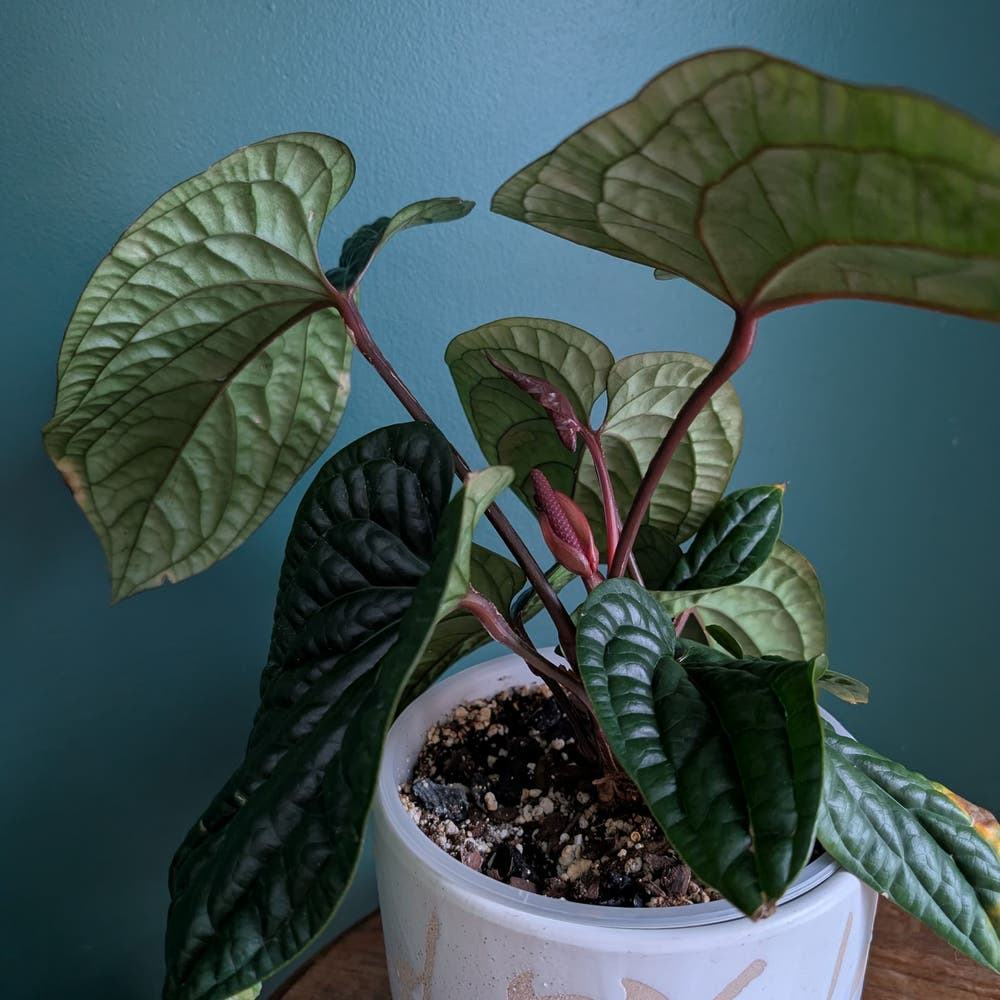
How Should Anthurium radicans x luxurians Be Cut Back?
Anthurium luxurians x radicans
By the Greg Editorial Team
Jun 18, 2024•4 min read
This article was created with the help of AI so we can cover more plants for you. May contain errors. See one? Report it here.
Trim your Anthurium radicans x luxurians 🌿 for health and fullness—timing is everything! ✂️
- Prune in spring/fall for best resilience and recovery.
- Use correct tools and prune at a 45-degree angle.
- Post-pruning care includes adjusting water and light.
Timing Your Pruning Perfectly
⏰ Best Seasons for Snipping
Pruning your Anthurium radicans x luxurians isn't a random act of plant barbarism; it's a timed precision strike. Spring is your go-to season, coinciding with the plant's natural growth spurt. This is when your green buddy is most resilient, bouncing back with the vigor of a caffeinated squirrel. Fall is also acceptable, but it's like catching the last train home – still effective, but less ideal.
Spotting the Signs
Your plant will tell you when it's time to wield the shears. Look for yellowing leaves, a telltale sign of age or distress, like a plant's version of graying hair. Overgrown aerial roots? They're the botanical equivalent of an untamed beard, and they're begging for a trim. And if your Anthurium is starting to resemble a lanky teenager, it's definitely time to cut back those leggy stems. Remember, pruning isn't just about aesthetics; it's like a health check-up that keeps your plant from turning into a leafy version of a zombie apocalypse.

Pruning Like a Pro
🛠️ Choosing Your Tools Wisely
Selecting the right tools is like choosing a sword for battle; it can make or break your pruning success. Hand pruners are your go-to for precision cuts on thinner stems. For the stubborn, thicker parts, lopping shears offer the necessary leverage without turning your pruning session into an arm workout. Remember, cleanliness is next to godliness – sterilize your tools with alcohol or a bleach solution to prevent spreading any plant diseases.
📐 Step-by-Step Pruning Guide
First, visualize the desired shape of your Anthurium radicans x luxurians. Start by snipping off any dead leaves, aiming close to the base but not too close – you want to avoid collateral damage to the main stem. Aerial roots getting a bit wild? Trim them or guide them back to the soil. When tackling leggy stems, remember: it's a haircut, not an amputation. Never remove more than 25% of the plant. And always cut at a 45-degree angle to promote healing and prevent water accumulation.
🌿 Shaping for Show
To achieve that lush, full appearance, it's all about strategic cuts. Look for overgrown leaves and stretched stems that have lost their compact form. These are your cues to grab the shears. Aim for a balanced, symmetrical shape that would make any plant parent proud. Sharp, clean cuts are crucial to prevent damage and disease, so snip close to the stem to avoid leaving unsightly stubs that can rot. Remember, with great pruning comes great responsibility.

Health Benefits of Pruning
🌱 Boosting Vigor and Preventing Disease
Pruning isn't just a cosmetic fix—it's a vital health check for your Anthurium radicans x luxurians. Strategic snips can ward off the botanical boogeymen: fungi and bacteria that prey on weak, damaged foliage. By excising these plant parts, you're not just sprucing up; you're safeguarding against infections that could send your plant to the greenhouse in the sky.
🩹 Damage Control
Let's talk triage. Removing the sickly bits of your Anthurium radicans x luxurians isn't just about aesthetics; it's about damage control. Think of it as cutting off the lifeline to any freeloading pests and ensuring the plant's energy is channeled into new growth, not wasted on reviving the living dead. It's about keeping the green in your greenery and the vigor in your verdant pal.

After the Snip: Care and Observation
🌱 Immediate Aftercare
After pruning your Anthurium radicans x luxurians, adjust water and light to kickstart recovery. It's like the plant's convalescing—too much sun or a deluge of water could overwhelm it. Keep the soil moist but not soggy; think of it as a damp cloth, not a drenched sponge.
👀 Watchful Waiting
Monitor your Anthurium's bounce-back with a keen eye. New growth is a high-five for your efforts, but wilting or yellowing leaves are a red flag. If your plant throws a fit, reassess your care strategy—less water, perhaps, or a shift away from that sunbeam. Stay responsive to your plant's non-verbal cues; it's a living barometer of its own needs.
⚠️ Safety First
This content is for general information and may contain errors, omissions, or outdated details. It is not medical, veterinary advice, or an endorsement of therapeutic claims.
Always consult a qualified healthcare professional before using any plant as food, medicine, or supplement.
Never eat any plant (or feed one to pets) without confirming its identity with at least two trusted sources.
If you suspect poisoning, call Poison Control (800) 222-1222, the Pet Poison Helpline (800) 213-6680, or your local emergency service immediately.
Spotted an error? Please report it here.
Ensure your Anthurium radicans x luxurians is pruned to perfection ✂️ with Greg's tailored reminders and post-trim care tips for a resilient and radiant plant.