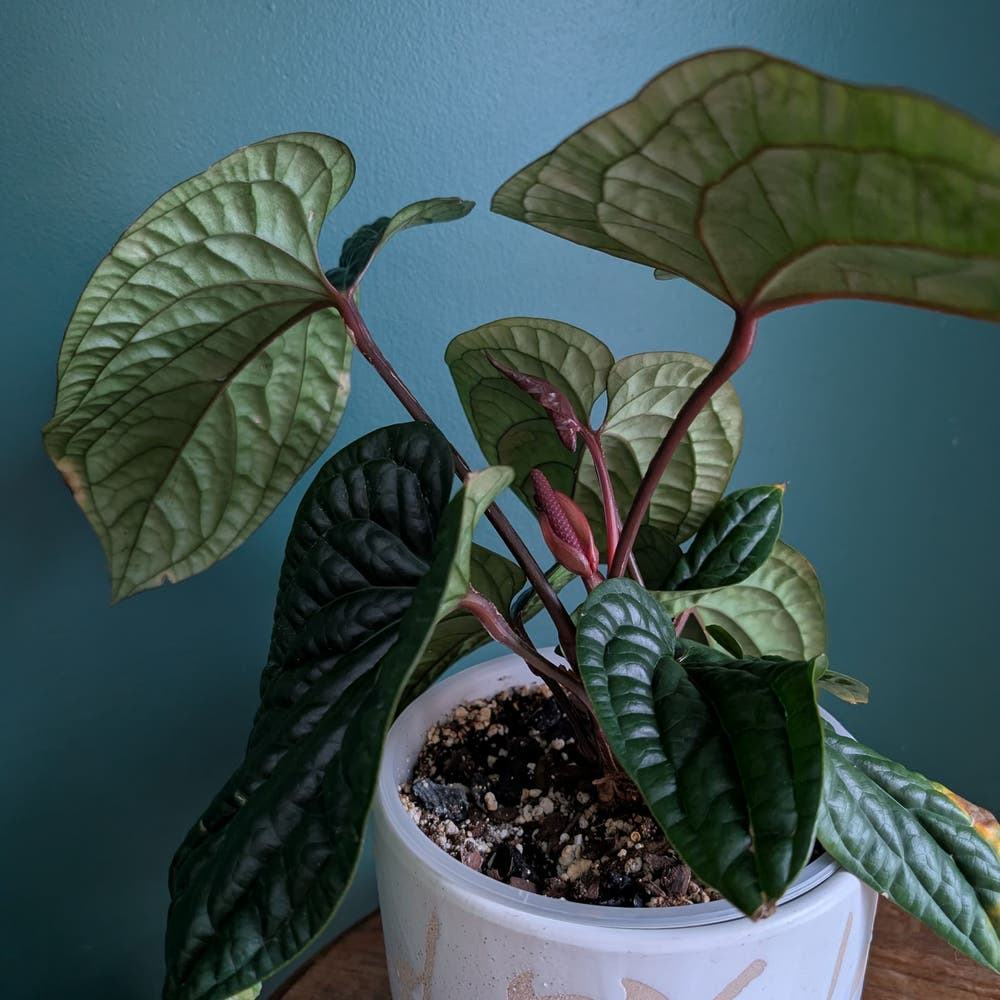
What To Do About Bugs on My Anthurium radicans x luxurians? 🐛
Anthurium luxurians x radicans
By the Greg Editorial Team
Jun 18, 2024•3 min read
This article was created with the help of AI so we can cover more plants for you. May contain errors. See one? Report it here.
Defend your lush Anthurium radicans x luxurians against pesky bugs with expert tactics 🛡️🌱.
- 🕷️ Spider mites and mealybugs: Look for webbing, stippling, and white fluff.
- 🌱 Prevent pests with dry soil and regular plant hygiene practices.
- 🧐 Inspect regularly, use neem oil or insecticidal soap for early infestations.
Spot the Invaders: Common Bugs on Anthurium radicans x luxurians
🕷️ Spider Mites
Tiny arachnids with a big appetite for your Anthurium radicans x luxurians. Look for webbing across the foliage and stippling on leaves. Neem oil and insecticidal soap are your go-to weapons.
🐞 Scale
These critters are the sneakiest, masquerading as harmless bumps. Yellowing leaves and premature leaf drop are red flags. Blast them with white oil spray or neem oil for an effective takedown.
🦟 Fungus Gnats and Fruit Flies
If you spot a buzz around your plant, you've got uninvited guests. Overly moist soil is their playground. Let the topsoil dry out, and consider a peroxide mix or diatomaceous earth to crash their party.
🐛 Mealybugs
These pests come dressed in white, waxy fluff, causing leaves to wilt and yellow. Spot their cottony hideouts and hit them with a neem oil soak or an alcohol-dipped Q-tip for precision strikes.
🦗 Other Unwelcome Guests
Aphids, thrips, and others also love your Anthurium. They're like the bad neighbors of the bug world. Regular inspections and quick reactions are crucial—catch them early, and show them the door with neem oil or insecticidal soap.

Tailored Tactics: Specific Remedies for Each Pest
🐞 Natural Predators and Biological Controls
Enlist beneficial insects like ladybugs and lacewings to wage war on aphids and mites. To make your Anthurium radicans x luxurians an insect ally haven, cease all deterrent sprays before their arrival. Remember, these bug battalions may need reinforcements; introduce them periodically for maximum impact.
🏰 Cultural Practices for Pest Prevention
Boost your plant's defenses with cultural practices. Adjust your Anthurium's environment to be less pest-friendly by maintaining cleanliness and using gentle, organic fertilizers. This is the equivalent of fortifying your castle before the siege begins.
🌿 Organic Solutions
Harness the power of neem oil and insecticidal soap, but don't overdo it—these natural warriors can cause collateral damage like leaf burn. Apply with care, avoiding the midday sun, and consider these remedies your plant's personal bodyguards against pest invasions.
☣️ When to Consider Chemical Warfare
When the pest situation looks dire, it's time to consider chemical treatments. But think of these as the nuclear option—effective, yet potentially harmful to non-target species and your own health. Don the appropriate gear and use these potent potions as a last resort, ensuring they're safe for use around your green companions.

Fortify Your Anthurium: Preventative Measures
🧹 Keeping a Clean Battleground: Tips for Plant Hygiene
Cleanliness is your first line of defense. Regularly remove dead leaves and debris to deny pests a place to hide or breed. Ensure your Anthurium radicans x luxurians is living in well-draining soil to prevent waterlogging, which can attract unwanted guests.
🚧 The Art of Quarantine: Safeguarding Your Collection
When introducing new plants to your space, quarantine is not just for pandemics. Keep newcomers isolated for a few weeks to ensure they're not harboring any critters that could spread to your collection.
👀 Vigilance is Key: Regular Inspections
Make it a habit to inspect your plants like you're searching for lost treasure. Early detection of pests can mean the difference between a minor annoyance and a full-blown infestation. Regular checks of the undersides of leaves and near the soil can save your Anthurium radicans x luxurians from pest-related stress.

⚠️ Safety First
This content is for general information and may contain errors, omissions, or outdated details. It is not medical, veterinary advice, or an endorsement of therapeutic claims.
Always consult a qualified healthcare professional before using any plant as food, medicine, or supplement.
Never eat any plant (or feed one to pets) without confirming its identity with at least two trusted sources.
If you suspect poisoning, call Poison Control (800) 222-1222, the Pet Poison Helpline (800) 213-6680, or your local emergency service immediately.
Spotted an error? Please report it here.
Eradicate pests from your Anthurium with vigilance and the right remedies, while Greg 🛡 ensures you never miss a beat with timely inspection reminders.