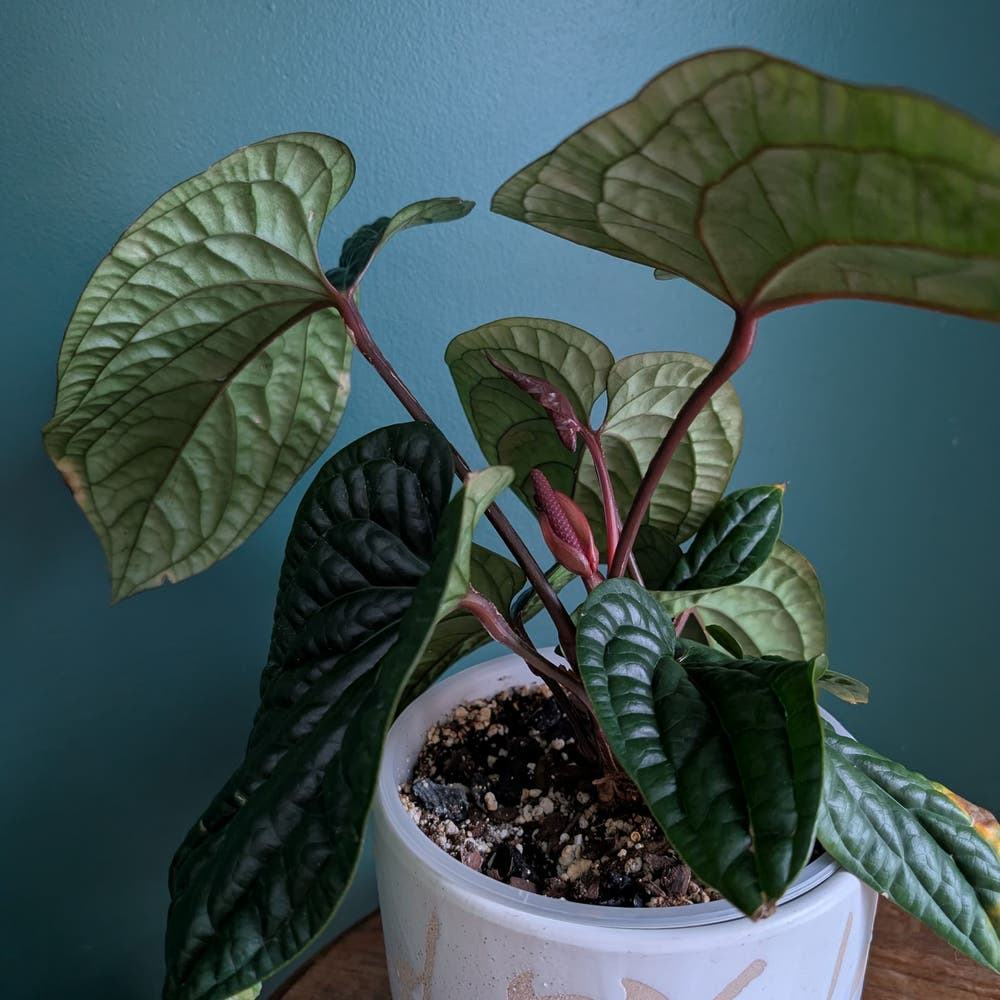
Anthurium Radicans X Luxurians Yellow Leaves
Anthurium luxurians x radicans
By the Greg Editorial Team
Jun 18, 2024•3 min read
This article was created with the help of AI so we can cover more plants for you. May contain errors. See one? Report it here.
Banish yellow leaves 🍂 and restore your Anthurium's lush green beauty with our expert care guide!
- 🌱 Yellow leaves signal distress; check for over/underwatering and light exposure.
- 💧 Balance watering and drainage to prevent root rot and maintain soil moisture.
- ☀️🔄 Rotate for even light, use balanced fertilizer to prevent nutritional deficiencies.
When Yellow Says Hello: Identifying Causes
🚨 Spotting the Signs: What Yellow Leaves Can Tell Us About Plant Health
Yellowing leaves are the plant's SOS—a visual cue that something's amiss. It's not just a color change; it's a cry for help. Whether it's a lack of nutrients, improper watering, or too much sun, those yellow leaves are your cue to play plant detective.
💧 Thirsty Roots or Drowning? The Watering Dilemma
Overwatering is a common misstep that can lead to root rot and yellow leaves. Check the soil: if it's soggy, you've gone overboard. Underwatering, on the other hand, leaves soil dry and roots gasping for moisture. The pot's weight can be a telltale sign—light means it's time for a drink.
☀️ Sun Kissed or Sunburnt? Finding the Light Sweet Spot
Too much sun can scorch leaves, leaving them yellow and crispy. Not enough, and your plant might sport a pale, sickly yellow. Bright, indirect light is usually the golden rule, but always tailor this to your specific plant's sunbathing preferences.

The Rescue Plan: Treating Yellow Leaves
🚰 Balancing the Watering Equation: How to Get It Just Right
Over-watering and under-watering are the archenemies of Anthurium radicans x luxurians. To strike the perfect balance, check the soil moisture before watering—dry an inch down means it's time to hydrate. Ensure your pot has adequate drainage to avoid the dreaded soggy soil syndrome.
🌞 Let There Be (The Right Amount of) Light: Adjusting Your Plant's Sunbathing Routine
Your Anthurium's leaves might be screaming for a change in scenery. Too much light can lead to a leafy sunburn, while too little can result in a pale and listless plant. Find that Goldilocks zone where the light is just right, avoiding direct sunbeams that can be too harsh for your green friend.
🍽️ Feeding Your Green Friend: Correcting Nutrient Deficiencies
Yellow leaves can be a cry for nutritional help. A balanced fertilizer is like a multivitamin for your plant, but remember, moderation is key. Overfeeding is as bad as underfeeding, so aim for a well-rounded meal plan for your Anthurium. Use a balanced fertilizer, and consider soil testing to tailor your approach.

Keeping the Green In: Prevention Strategies
💧 Water Wisdom: Establishing a Foolproof Watering Schedule
Consistency is your plant's best friend. Water when the top inch of soil feels dry, but don't let your Anthurium's feet soak. Use a moisture meter if you're the type who needs gadgets to keep things in check. Remember, overwatering is the fast track to yellow-leaf city.
🌞 Light It Up Right: Ensuring Your Anthurium Gets the Ideal Amount of Sunshine
Your Anthurium radicans x luxurians doesn't need a tan. Indirect light is the sweet spot. Too much sun and you're looking at a leaf sunburn; too little and it's lethargy city. Rotate the plant occasionally for even growth, and consider grow lights if your place is more cave than greenhouse.
🍽️ Nutrient Know-How: Preventing Deficiencies with Proper Fertilization
Feed your green buddy a balanced diet. Think of fertilizer like a vitamin supplement—necessary but not a meal replacement. Over-fertilizing is the equivalent of force-feeding; it's unkind and leads to more problems. Stick to the recommended dose and watch your Anthurium flourish.

⚠️ Safety First
This content is for general information and may contain errors, omissions, or outdated details. It is not medical, veterinary advice, or an endorsement of therapeutic claims.
Always consult a qualified healthcare professional before using any plant as food, medicine, or supplement.
Never eat any plant (or feed one to pets) without confirming its identity with at least two trusted sources.
If you suspect poisoning, call Poison Control (800) 222-1222, the Pet Poison Helpline (800) 213-6680, or your local emergency service immediately.
Spotted an error? Please report it here.
Revive your Anthurium Radicans X Luxurians by eliminating yellow leaves 🌿 with Greg's custom care plan for the perfect water and light balance!