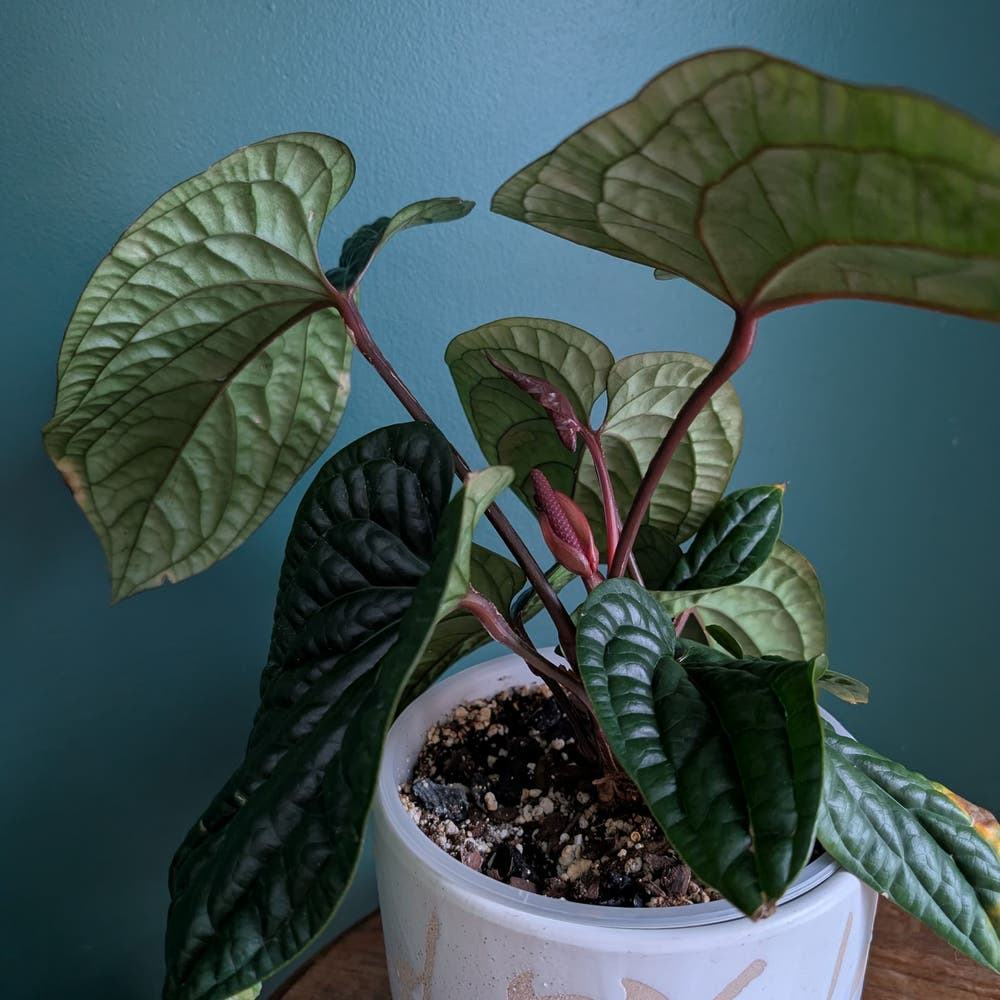
🌞 Does My Anthurium radicans x luxurians Need Direct Sunlight?
Anthurium luxurians x radicans
By the Greg Editorial Team
Jun 18, 2024•4 min read
This article was created with the help of AI so we can cover more plants for you. May contain errors. See one? Report it here.
Learn to shield your Anthurium 🌿 from the sun's scorch, ensuring lush growth without the burn.
- 🌿 Prefers bright, indirect light to avoid scorched leaves.
- Signs of excess sun: sunburned leaves, leggy stems, fading color.
- Rotate weekly, use sheer curtains for even growth and protection.
Sunlight 101: What Does Anthurium radicans x luxurians Prefer?
🕶️ Bright but Shy: The Ideal Light for Anthurium radicans x luxurians
Anthurium radicans x luxurians is a light enthusiast—but not too much. Bright, indirect light is its jam. Think of it as the plant equivalent of wearing sunglasses on a sunny day; it loves the light but doesn't want to get burned.
☀️ Direct Sunlight: A No-Go Zone?
Direct sunlight is the nemesis of this hybrid. It's like putting ice cream in the microwave—a meltdown is inevitable. The leaves can get scorched, leading to a crispy, sad-looking plant.
🌑 Low Light Tolerance: Can It Handle the Shade?
This plant won't throw a tantrum in low light, but it's not ideal. It can survive in less lit areas, but don't expect the lush, vibrant growth you'd get from its preferred bright spot.

Spotting Sun Trouble: Signs Your Plant is Getting Too Much Light
🌞 Sunburned Leaves: The Telltale Signs
Crispy critters—that's what your Anthurium radicans x luxurians' leaves will resemble if they've been sunbathing too long. Look for leaves that have gone from lush to bleached and brittle, a clear SOS for shade.
Brown spots are more than just blemishes; they're the plant's equivalent of a bad sunburn. If you spot these unsightly marks, it's time to rethink your light strategy.
Growth and Color: What Happens When Light Goes Wrong
When your Anthurium's growth looks more like a stretch for survival than a reach for the sky, it's a sign of light gone wrong. Leggy stems and sparse leaves are your cue: too much sun is a no-no.
Color fading is like your plant's vibrant personality getting washed out. If the rich greens are turning pale, your Anthurium is practically begging for a break from the harsh rays.

The Window Dilemma: Where to Place Your Anthurium radicans x luxurians
🌞 Direction Matters: North, South, East, or West?
Finding the perfect spot for your Anthurium radicans x luxurians is like solving a puzzle where the pieces are light, direction, and plant health. North-facing windows might leave your plant yearning for more light, while south-facing ones could offer a tad too much of a good thing.
Rotate your plant a quarter turn weekly to prevent it from playing favorites with the sun and growing lopsided. East-facing windows are the gentle morning light providers, perfect for a soft sun caress. West-facing windows, however, are the afternoon's intense light warriors; here, a sheer curtain can be your plant's knight in shining armor.
🌍 Hemisphere Hacks: Adjusting for Your Location
Your location on the globe flips the script on window advice. In the Northern Hemisphere, south-facing windows are the go-to for that winter sun lounge. But come summer, you might need to shuffle your Anthurium out of the sun's relentless gaze.
Down in the Southern Hemisphere? North-facing windows are where your plant can soak up the sun without the risk of a sunburn. It's all about the angle and adjusting your plant's position for that prime photosynthesis spot. Remember, too close to the window, and you're in the danger zone; a few feet away, and you've hit the sweet spot.

Shielding Your Green Buddy: Protecting Anthurium radicans x luxurians from Harsh Rays
🌞 Curtains and Blinds: Simple Sun Barriers
Sheer curtains or blinds are the MVPs when it comes to protecting your Anthurium radicans x luxurians from too much sun. They're like a dimmer switch for Mother Nature, letting you dial down the intensity without leaving your plant in the dark. Think of them as a pair of shades for your leafy friend, keeping it cool and collected.
🌍 Seasonal Shifts: Adapting to the Sun's Movements
As the seasons change, so does the sun's position. Rotate your plant a quarter turn weekly to ensure even light distribution. During summer, pull back on the sun exposure; your Anthurium isn't trying to get a tan. Come winter, inch it closer to the light, but not too close—no one likes a sunburned plant. Keep an eye on the light's ebb and flow throughout the year, and your Anthurium will thank you with vibrant growth.
⚠️ Safety First
This content is for general information and may contain errors, omissions, or outdated details. It is not medical, veterinary advice, or an endorsement of therapeutic claims.
Always consult a qualified healthcare professional before using any plant as food, medicine, or supplement.
Never eat any plant (or feed one to pets) without confirming its identity with at least two trusted sources.
If you suspect poisoning, call Poison Control (800) 222-1222, the Pet Poison Helpline (800) 213-6680, or your local emergency service immediately.
Spotted an error? Please report it here.
Avoid the sunburn and leggy stems in your Anthurium radicans x luxurians by letting Greg pinpoint the ideal spot 🌿 for lush growth, based on your home's unique light conditions.