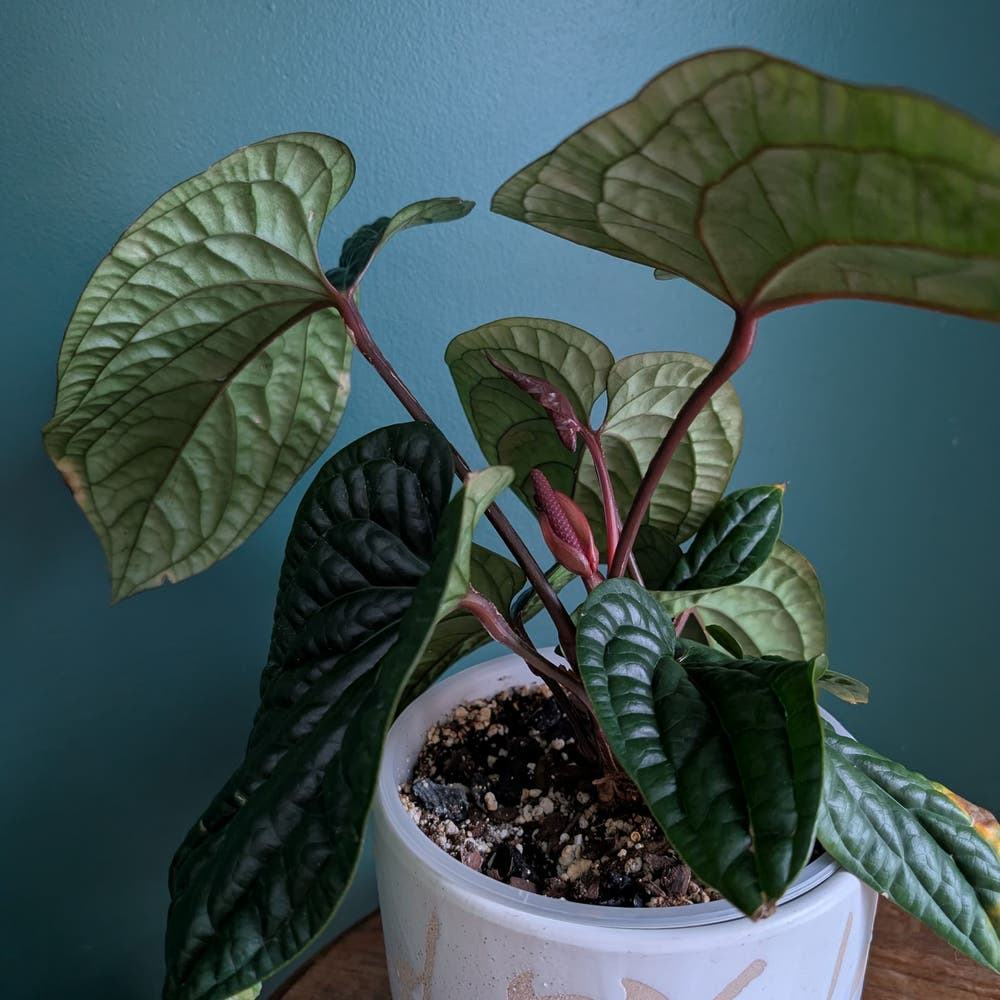
Anthurium Radicans x Luxurians Temperature
Anthurium luxurians x radicans
By the Greg Editorial Team
Jun 18, 2024•3 min read
This article was created with the help of AI so we can cover more plants for you. May contain errors. See one? Report it here.
Discover how to keep your Anthurium radicans x luxurians lush 🌿 by perfecting its cozy temperature sweet spot! 🌡️
- Ideal range 70-90°F (21-32°C) for Anthurium radicans x luxurians health.
- 🌡️ Consistent temperature prevents stress, like limp or discolored leaves.
- Humidity balance is key; use a hygrometer to monitor.
Nailing the Perfect Temperature
🌡️ Ideal Temperature Range for Thriving
Anthurium radicans x luxurians basks in the warmth of a tropical climate, making the ideal temperature range a cozy 70 to 90°F (21 to 32°C). Straying outside this sweet spot? Expect your plant to protest.
🌡️ Keeping Temperatures Consistent
Consistency is key. Avoid drastic temperature swings by steering clear of drafty windows and heat sources. Think of your thermostat as a guardian angel for your Anthurium, maintaining a steady indoor climate.

Recognizing Temperature Stress
🌡️ Spotting the Signs
Anthurium radicans x luxurians, like a canary in a coal mine, signals distress when temperatures aren't right. Limp leaves or a loss of vibrant color scream too hot or too cold. Slow growth? It's not lazy; it's stressed. And if leaves start dropping like flies, it's time to pay attention.
🚨 Immediate Actions to Take
Caught your Anthurium radicans x luxurians looking a bit under the weather? Act fast. If it's too hot, think shade and hydration. Too cold? Move it to a warmer spot, away from drafts. Remember, this isn't just about comfort—it's about survival.

Common Culprits of Temperature Stress
🌡️ External Factors
Seasonal shifts and indoor climate control can wreak havoc on your Anthurium radicans x luxurians. As temperatures outside drop or soar, your indoor heating and cooling systems kick into gear, often creating a rollercoaster of temperatures that can stress your plant.
📍 Plant Placement Perils
Location is everything. A spot near a drafty window or a heat vent can subject your Anthurium radicans x luxurians to temperature swings more erratic than a teenager's mood. Keep it away from these areas to avoid the silent but deadly draft effect on your plant's well-being.

Mitigating Temperature and Humidity Interplay
🌡️ Quick Humidity Check
Humidity and temperature are inextricably linked in the world of indoor plant care, particularly for the Anthurium radicans x luxurians. Achieving the right balance is crucial; too much humidity can lead to fungal issues, while too little can cause the plant's leaves to brown and curl.
Monitor humidity levels with a hygrometer to avoid the guesswork. This device will be your eyes in the ever-changing climate of your home. Remember, the goal is to create a stable environment that mimics the plant's natural habitat.
Adjust humidity in tandem with temperature changes. As the mercury rises, so does the capacity for air to hold moisture, potentially leading to an overly humid environment. Conversely, heating systems in winter can dry out the air, necessitating the use of humidifiers or pebble trays to maintain adequate moisture levels.
Grouping plants together can create a beneficial microclimate, sharing humidity and making it easier to maintain consistent conditions. However, ensure good air circulation to prevent moisture from becoming stagnant, which could invite unwanted pests or diseases.
Be vigilant during seasonal transitions. As outdoor conditions fluctuate, so will your indoor climate. Regular checks will help you stay ahead of any issues, ensuring your Anthurium radicans x luxurians continues to thrive.
⚠️ Safety First
This content is for general information and may contain errors, omissions, or outdated details. It is not medical, veterinary advice, or an endorsement of therapeutic claims.
Always consult a qualified healthcare professional before using any plant as food, medicine, or supplement.
Never eat any plant (or feed one to pets) without confirming its identity with at least two trusted sources.
If you suspect poisoning, call Poison Control (800) 222-1222, the Pet Poison Helpline (800) 213-6680, or your local emergency service immediately.
Spotted an error? Please report it here.
Ensure your Anthurium radicans x luxurians flourishes by letting Greg support you in maintaining the perfect climate 🌡 with ease.