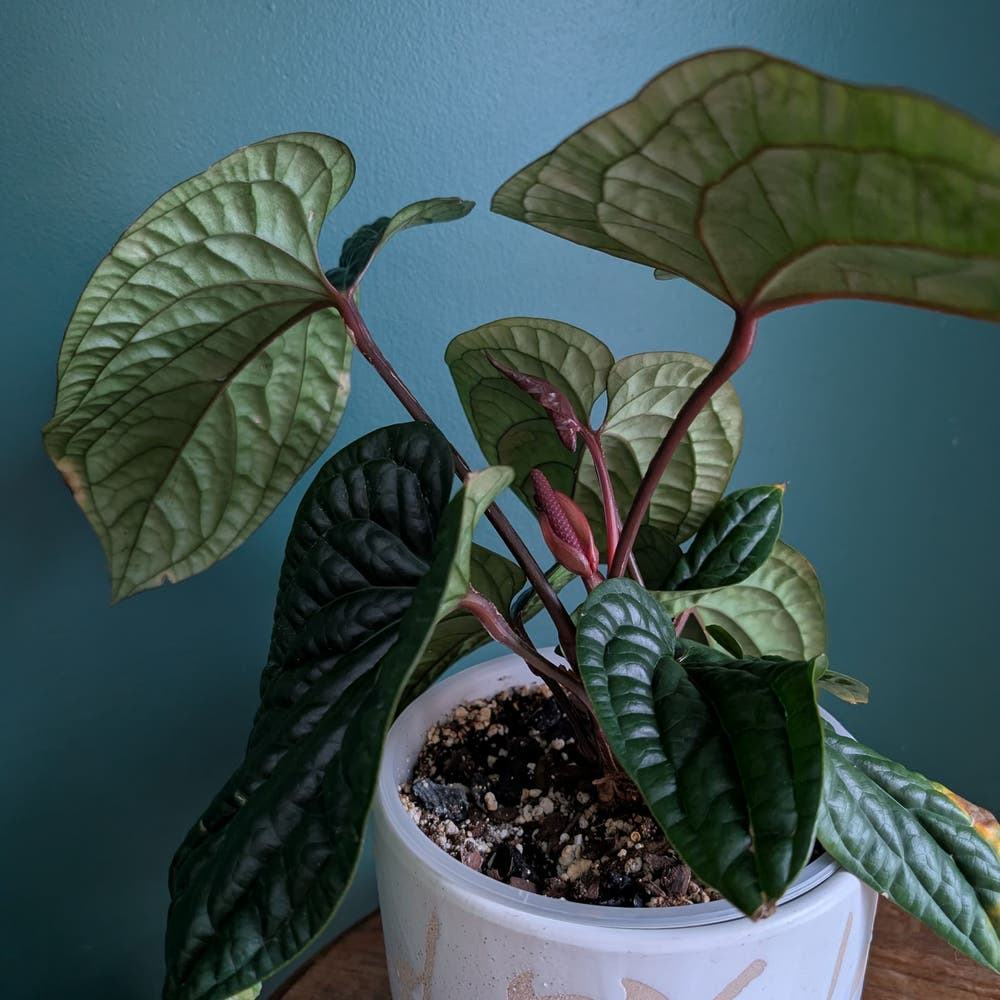
💧 Why Are My Anthurium radicans x luxurians Leaves Droopy?
Anthurium luxurians x radicans
By the Greg Editorial Team
Jun 18, 2024•3 min read
This article was created with the help of AI so we can cover more plants for you. May contain errors. See one? Report it here.
Say goodbye to droopy Anthurium leaves 🍃 with life-saving care tips that promise perky plants! 🌟
- Overwatering and dehydration both lead to droopy leaves; balance is crucial.
- Maintain 65-85°F to prevent temperature-related droopiness in Anthuriums.
- Light and location optimization is key; use indirect light and monitor with tools.
Why Your Anthurium's Leaves Might Be Hanging Low
💧 Overwatering Woes
Soggy soil and a pot heavier than your last dumbbell workout are telltale signs of overwatering. Root rot might be the uninvited guest lurking below. The quick fix? Adjust your watering routine like you're tuning a guitar—carefully and with attention to harmony.
💦 Thirsty Plant Problems
A parched Anthurium is as sad as a forgotten birthday. Leaves drooping like they've given up on life could mean it's time to hydrate. Hydration hacks are simple: check if the pot feels light and the soil dry, then it's time for a drink. Find that sweet spot for watering—it's less about a schedule and more about a feel.
🌞 Light Levels: Finding the Balance
Too much sun and your Anthurium's leaves go limp like overcooked noodles. Too little, and they stretch out like they're reaching for the last cookie. Shedding light on the perfect spot means finding a place where your plant can bask without getting a sunburn or living in eternal shadow.
🌡️ Temperature Tantrums
Anthuriums throw temperature tantrums like toddlers—too hot or too cold, and it's meltdown city. Leaves droop as if saying, "I can't even." Keeping your Anthurium cozy means maintaining a steady 65-85°F (18-29°C) and avoiding drafts like they're spoilers for your favorite show. Ideal temperature tips are like finding the right jacket for the weather—necessary and comforting.

Turning the Tide: Reviving Droopy Leaves
💧 Fine-Tuning Watering Techniques
Moisture check before watering is non-negotiable. If the top inch of soil feels like a desert, it's time to water; if it's damp, hold off. Consider a moisture meter for a no-guess game.
Craft a watering schedule that's as unique as your Anthurium. No cookie-cutter routines here—adjust for seasonal humidity and your home's vibe.
🌞 Light and Location Optimization
Move your Anthurium for prime light absorption. Think of it as its personal sunbathing spot—bright but not direct, like a beach umbrella's shade.
Curtains and artificial lights can be your plant's besties. They're the bouncers controlling the light club's VIP access.
🌡️ Temperature Control Tactics
Stabilize the environment to avoid temperature-induced tantrums. Your Anthurium isn't a fan of surprises, especially the chilly kind.
Thermometers and thermostats are your secret agents, keeping an eye on the climate so your plant doesn't have to.

Keeping Leaves Perky: Prevention Strategies
💧 Consistency is Key: Watering and Feeding
Establishing a routine is crucial for maintaining the ideal soil moisture for your Anthurium radicans x luxurians. Overwatering can lead to root rot, while underwatering can stress the plant, causing droopy leaves. To prevent this, water only when the soil is dry to the touch, and adjust your watering habits with the changing seasons.
Fertilization plays a significant role in leaf rigidity. A balanced fertilizer used sparingly can prevent nutrient imbalances that contribute to leaf droopiness. Remember, more is not always better; overfeeding can harm your plant just as much as neglect.
🌡️ Environmental Monitoring
Tools and techniques for tracking light and temperature can help you maintain the perfect growing conditions for your Anthurium. Use a light meter to ensure your plant is receiving the right amount of light, and adjust its position if necessary.
Making small adjustments to the environment can have a big impact on the health of your plant's leaves. Use thermometers and thermostats to keep the temperature stable, and consider a humidity tray or humidifier if the air is too dry. Regularly inspect your plant for signs of distress and tweak the care routine as needed to keep those leaves perky.

⚠️ Safety First
This content is for general information and may contain errors, omissions, or outdated details. It is not medical, veterinary advice, or an endorsement of therapeutic claims.
Always consult a qualified healthcare professional before using any plant as food, medicine, or supplement.
Never eat any plant (or feed one to pets) without confirming its identity with at least two trusted sources.
If you suspect poisoning, call Poison Control (800) 222-1222, the Pet Poison Helpline (800) 213-6680, or your local emergency service immediately.
Spotted an error? Please report it here.
Balance your Anthurium's care 🌱 with Greg's personalized reminders, ensuring it never droops from too much love or neglect.