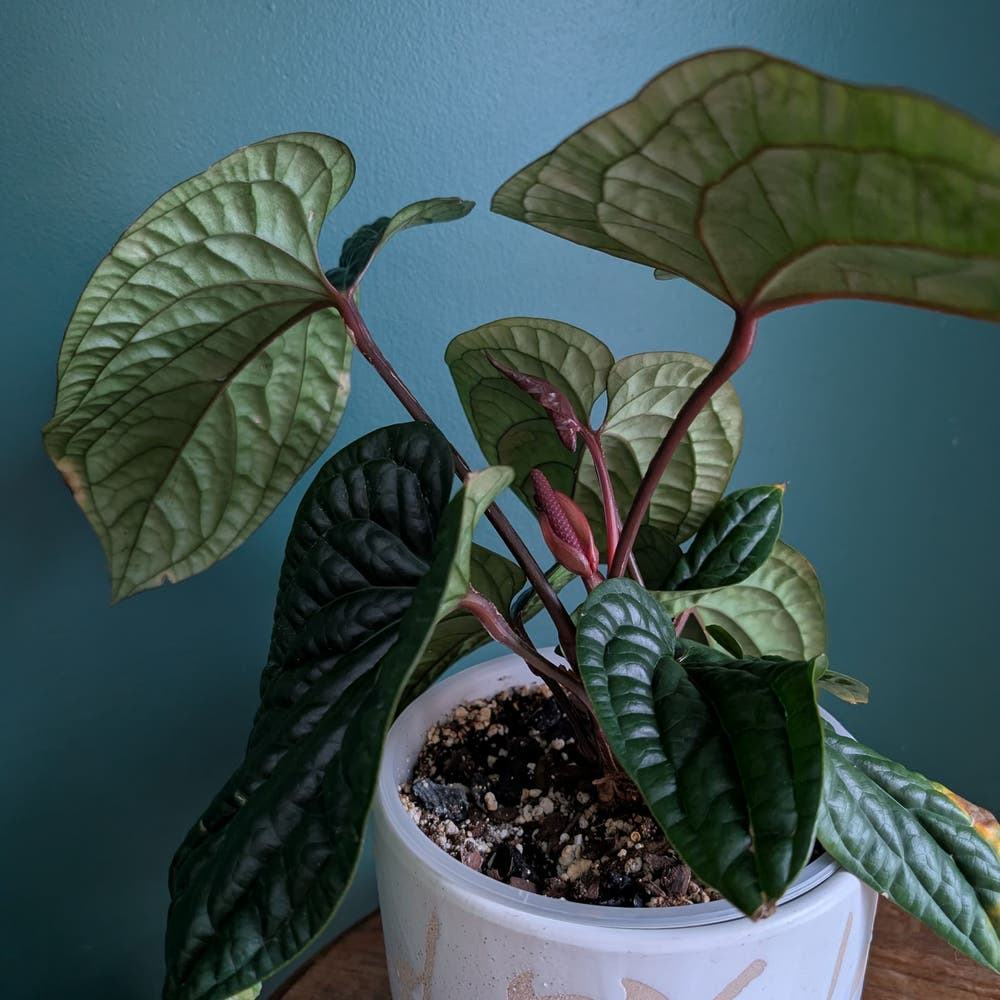
How to Know When to Repot a Anthurium radicans x luxurians?
Anthurium luxurians x radicans
By the Greg Editorial Team
Jun 18, 2024•3 min read
This article was created with the help of AI so we can cover more plants for you. May contain errors. See one? Report it here.
Unearth the signs 🌿 your Anthurium radicans x luxurians craves a new pot for lush growth!
- Visible roots and yellow leaves signal it's repotting time.
- Use orchid and houseplant mix in a pot with drainage holes.
- Terracotta pots are best, but watch for overwatering.
Spotting the Telltale Signs for Repotting
🌱 Root Revelations
Roots busting out of the pot like a jailbreak? It's a no-brainer; your Anthurium radicans x luxurians is screaming for a new pad. When roots are more visible than soil, it's time to upgrade their living quarters.
🍃 Above the Soil Symptoms
Yellow leaves aren't just a fashion statement; they're a cry for help. Stunted growth? Your plant's telling you it's packed in tighter than sardines. And if it's top-heavy, wobbling like a tipsy dancer, it's definitely time to repot.

The Art of Repotting Anthurium radicans x luxurians
🌱 Pre-Repotting Prep
Gather your tools and clear a workspace—it's repotting time. You'll need a pot with drainage holes, orchid mix soil, pruning shears, and water.
🌿 The Main Event: Repotting Step-by-Step
🌷 Step 1: Free the Plant
Tip the pot over gently and coax the Anthurium radicans x luxurians out. If it's stubborn, tap the pot's bottom or run a knife around the edge.
🌻 Step 2: Inspect the Roots
Check for circling roots or ones peeking out of the drainage holes. Trim any that are excessively long or look unhealthy.
🌸 Step 3: Choose the Right Pot
Select a new pot that's slightly larger than the old one. This gives your plant room to grow without drowning in soil.
🌼 Step 4: The Perfect Soil Mix
Mix orchid blend with houseplant mix for the ideal home. The goal is a well-draining, airy substrate.
🌺 Step 5: Potting Time
Place some soil in the pot's bottom, then position your plant. Fill around the roots with more soil, firming gently to eliminate air pockets.
🌴 Post-Repotting Care
Water the Anthurium radicans x luxurians well and place it in indirect light. No direct sun, please—it's had enough stress for one day. Keep an eye on the soil moisture and resist the urge to fertilize until you see new growth.

Choosing the Right Home: Pot Material Matters
🏺 Pros and Cons of Popular Pot Materials
Terracotta, ceramic, and plastic are the main contenders in the potting world for Anthurium radicans x luxurians. Let's break down their strengths and weaknesses.
Terracotta
- Breathability: Terracotta's porous nature allows air and water to move through the walls, promoting healthy roots and preventing overwatering.
- Weight: These pots are sturdy but can be heavy, making them less ideal if you like to shuffle your plant displays often.
Ceramic
- Aesthetics: Glazed ceramic pots come in various designs, adding a decorative touch to your space.
- Moisture Retention: Less porous than terracotta, they can hold moisture longer, which could be a pro or con depending on your watering habits.
Plastic
- Lightweight: Easy to move around and great for those who enjoy rearranging their plant setup.
- Water Retention: Plastic pots retain moisture well, requiring less frequent watering but increasing the risk of root rot if not monitored closely.
🚫 Avoiding Pot Pitfalls
Choosing the wrong pot material can be a one-way ticket to plant distress. Here's what to steer clear of for your Anthurium radicans x luxurians.
- Overly Large Pots: Bigger isn't always better. Too much soil can hold excess water, leading to root rot.
- Non-Porous Materials: Without proper drainage, water can accumulate, and roots may suffocate.
- No Drainage Holes: This is a cardinal sin in plant care. Always ensure your pot has holes to let excess water escape.
Remember, the right pot is like a good home—it should be comfortable, suit your style, and keep you healthy. Choose wisely!

⚠️ Safety First
This content is for general information and may contain errors, omissions, or outdated details. It is not medical, veterinary advice, or an endorsement of therapeutic claims.
Always consult a qualified healthcare professional before using any plant as food, medicine, or supplement.
Never eat any plant (or feed one to pets) without confirming its identity with at least two trusted sources.
If you suspect poisoning, call Poison Control (800) 222-1222, the Pet Poison Helpline (800) 213-6680, or your local emergency service immediately.
Spotted an error? Please report it here.
Ensure your Anthurium radicans x luxurians thrives in its new pot by following Greg's custom repotting reminders 🌱, tailored to keep your plant's roots healthy and growing.