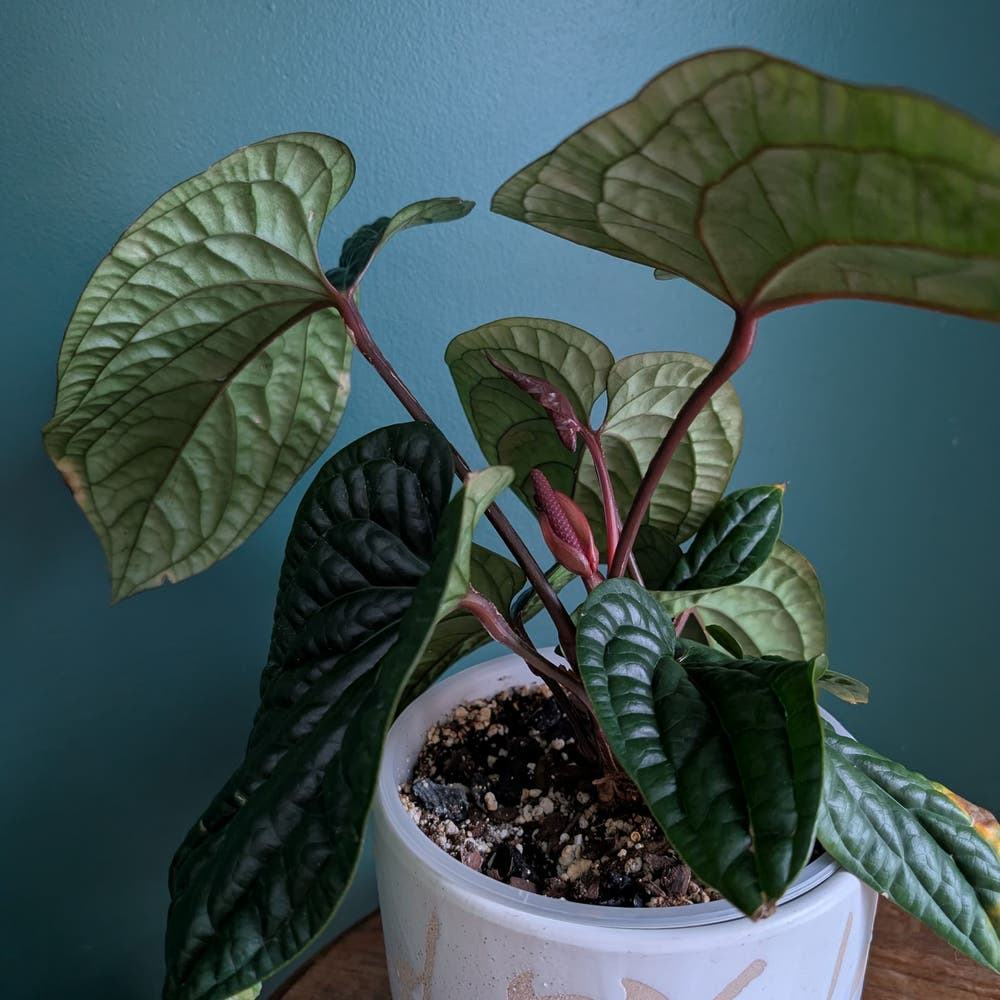
Anthurium Radicans X Luxurians Leaves Falling Over
Anthurium luxurians x radicans
By the Greg Editorial Team
Jun 18, 2024•5 min read
This article was created with the help of AI so we can cover more plants for you. May contain errors. See one? Report it here.
Prevent your Anthurium's slump 🍃 with proven tips for peak plant posture and vitality!
- Overwatering causes limp leaves; let soil dry between waterings.
- Bright, indirect sunlight is key; avoid direct sun to prevent burn.
- Stable temperatures (18-24ºC) and consistent care prevent leaf droop.
When Thirst Goes Wrong: Watering Woes
💦 Overwatering Overload
Overwatering can turn your Anthurium radicans x luxurians into an aquatic plant wannabe, and that's not a good thing. To spot the soggy signs, look for leaves that are more limp than a noodle in a soup bowl. If the soil feels like it's auditioning for a role in a swamp, you've gone too far.
To balance the water budget, think of the soil like a wrung-out sponge—damp, not dripping. Your Anthurium isn't a camel; it can't store water for drought days ahead. So, let the soil dry out a bit between waterings.
🏜️ Underwatering Underestimation
On the flip side, underwatering makes your plant's leaves as crispy as fall foliage. If the soil is drier than a stand-up comedian's wit, it's time to show some love with the watering can.
Finding the sweet spot for soil moisture is like finding the perfect pair of jeans; it takes a bit of trial and error. Water when the top inch of soil feels dry, but before your plant starts looking like it's been through a desert marathon. Remember, consistency is key—your Anthurium craves routine, not surprises.

Light and Temperature: The Balancing Act
⛅️ Seeking the Light Without the Burn
Bright, indirect sunlight is the sweet spot for Anthurium radicans x luxurians. Direct sunlight is a definite no-go, akin to a plant sunburn.
Rotate your Anthurium to ensure even exposure, preventing leaf favoritism and maintaining structural integrity.
Reading the Leaves: What They Tell You About Their Light Needs
Leaves reaching out likely need more light, while brown, crispy leaves are crying out for shade. Adjust your plant's position to find that cozy nook of bright, indirect light.
Keeping Cool (or Warm) Under Pressure
Temperature swings are the enemy. Aim for a consistent range, ideally between 18-24ºC (64-75ºF), to avoid leaf droop.
Avoid drafts and fluctuating heat sources like radiators or air conditioners to maintain a stable environment.
The Stability Strategy: Consistent Climates for Contented Leaves
Stability is the name of the game. Keep your Anthurium away from windows that are drafty or receive full sun.
Monitor the leaves – they're the most honest indicators of whether your temperature and light strategies are on point.

The Support System: Propping Up Your Plant
🌱 Staking Claims
Choosing the right stake for your Anthurium's support is a bit like picking out a backbone for a book; it needs to be sturdy enough to keep the narrative upright. Go for a stake that's tall enough to accommodate growth and robust enough to hold the weight of the leaves.
Tying the knot with your plant is a delicate affair. Use soft ties like strips of cloth or old pantyhose to attach the stem to the stake. This ensures support without strangling your plant's aspirations to reach for the sky.
🌿 The Art of Gentle Guidance
Training leaves to stand tall is less about brute force and more about consistent nurturing. Start when the plant is young, gently guiding and tying new growth to the stake. This way, your Anthurium learns good posture from the get-go.
The timing of this training is crucial. Do it before the leaves start their downward descent. Think of it as preventative care; you're setting up your plant for success, not just correcting a slouch.

Digging Deeper: Soil and Roots in the Spotlight
🌱 Rooting Out the Issues
Root rot is the stealthy saboteur of your Anthurium radicans x luxurians, often going unnoticed until leaves start to flop. Healthy roots should be firm and white, not slimy or brown. If they resemble overcooked noodles, it's time for action.
The potting mix is your plant's lifeline; it needs to be the right blend of drainage and support. Aim for a mix that's like a good friend—supportive but not smothering. Ingredients like perlite, pine bark, and peat moss can create a hospitable environment for roots to thrive.
🌿 The Repotting Ritual
Repotting is not just a chore; it's a critical intervention. Do it when your plant's growth stalls or the soil looks tired and compacted.
Here's the drill: Gently coax your plant out of its pot, shake off the old soil, and give those roots a spa-like trim—snip away the bad, keep the good. Then, introduce it to a fresh potting mix in a clean pot with proper drainage. Remember, it's not just a new home; it's a fresh start.
Snip and Shape: Pruning for Poise and Health
🌱 Trimming the Troublemakers
Pruning is essential for your Anthurium radicans x luxurians. It's like being a plant's personal trainer, ensuring it stays fit and doesn't slack off. Identify leaves that are yellow, damaged, or just plain sad-looking. These are the slackers, and they're hogging resources from the rest of the team. Get your shears and show them the door, but remember, never more than 20% of the plant at a time.
🌿 Maintenance for Momentum
Routine care keeps your Anthurium's leaves perky. Think of it as ongoing coaching sessions for your plant. Inspect regularly for any signs of trouble and act swiftly. Sharp, clean cuts are your best friend here, preventing any nasty infections. And after you've played the tough coach with the pruning shears, be the nurturing one—ensure your plant gets enough light, water, and nutrients to recover and thrive.
⚠️ Safety First
This content is for general information and may contain errors, omissions, or outdated details. It is not medical, veterinary advice, or an endorsement of therapeutic claims.
Always consult a qualified healthcare professional before using any plant as food, medicine, or supplement.
Never eat any plant (or feed one to pets) without confirming its identity with at least two trusted sources.
If you suspect poisoning, call Poison Control (800) 222-1222, the Pet Poison Helpline (800) 213-6680, or your local emergency service immediately.
Spotted an error? Please report it here.
Achieve the perfect plant posture for your Anthurium with custom care reminders 🌱 from Greg, ensuring it thrives in your unique home environment.